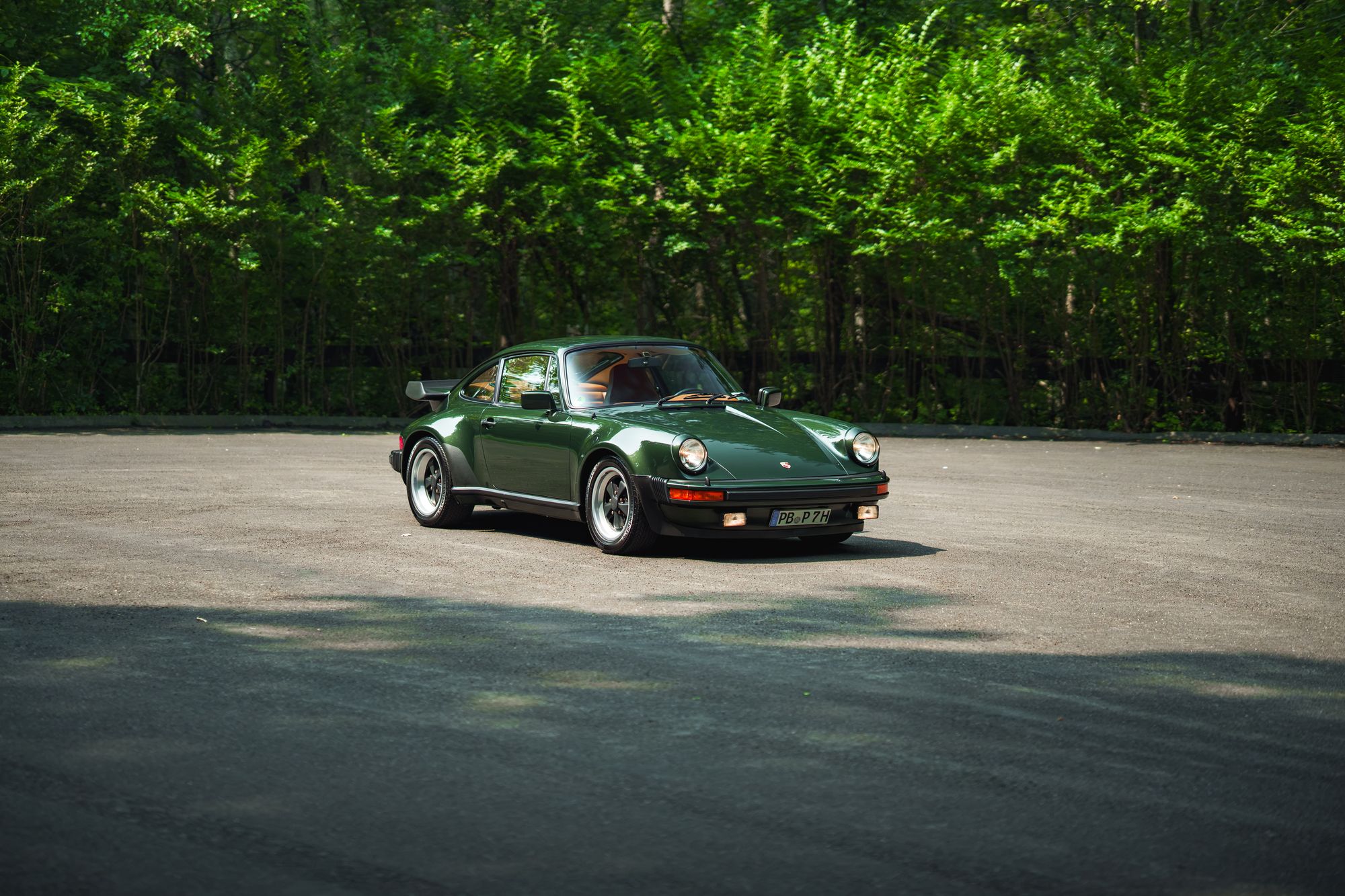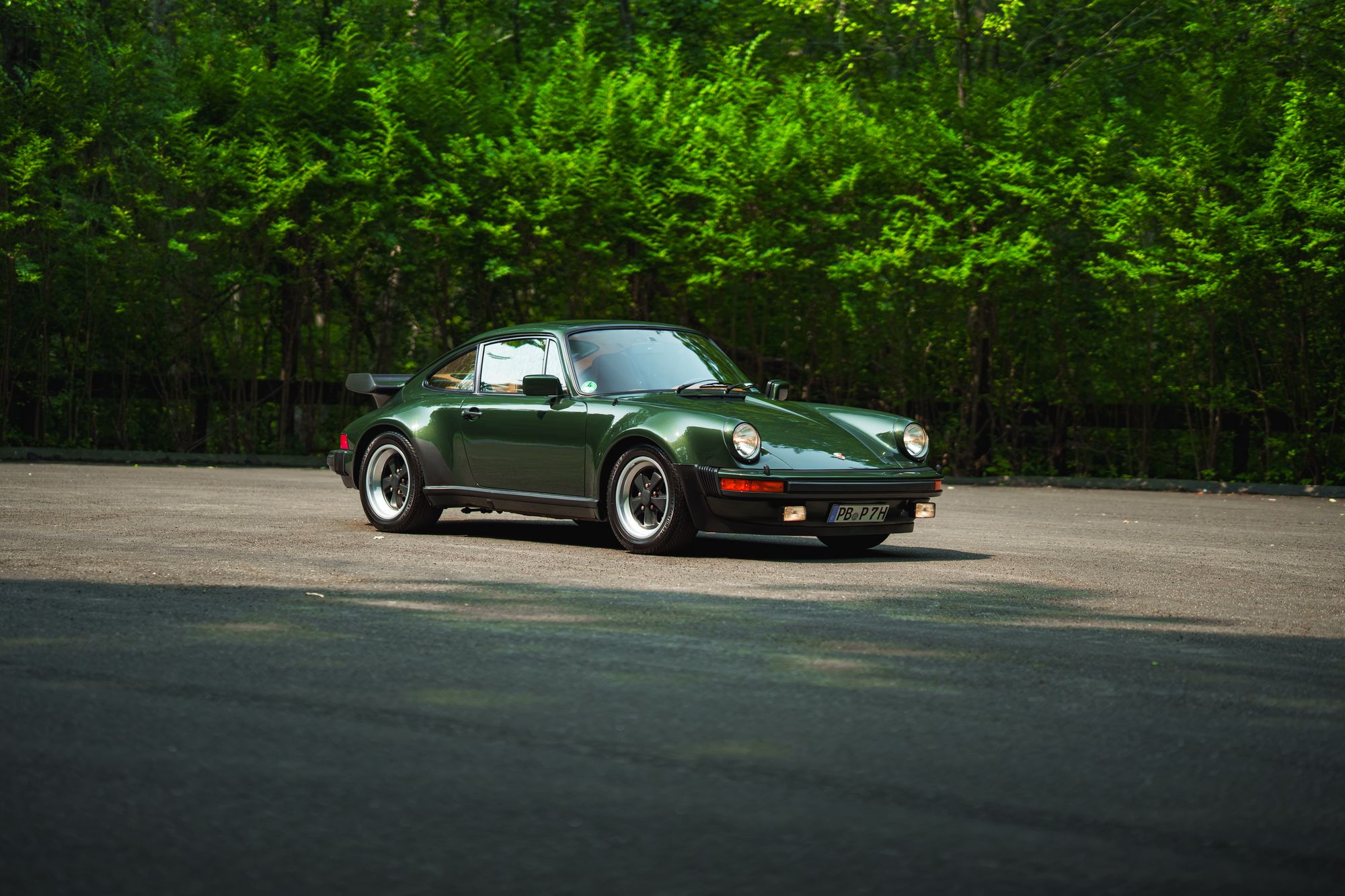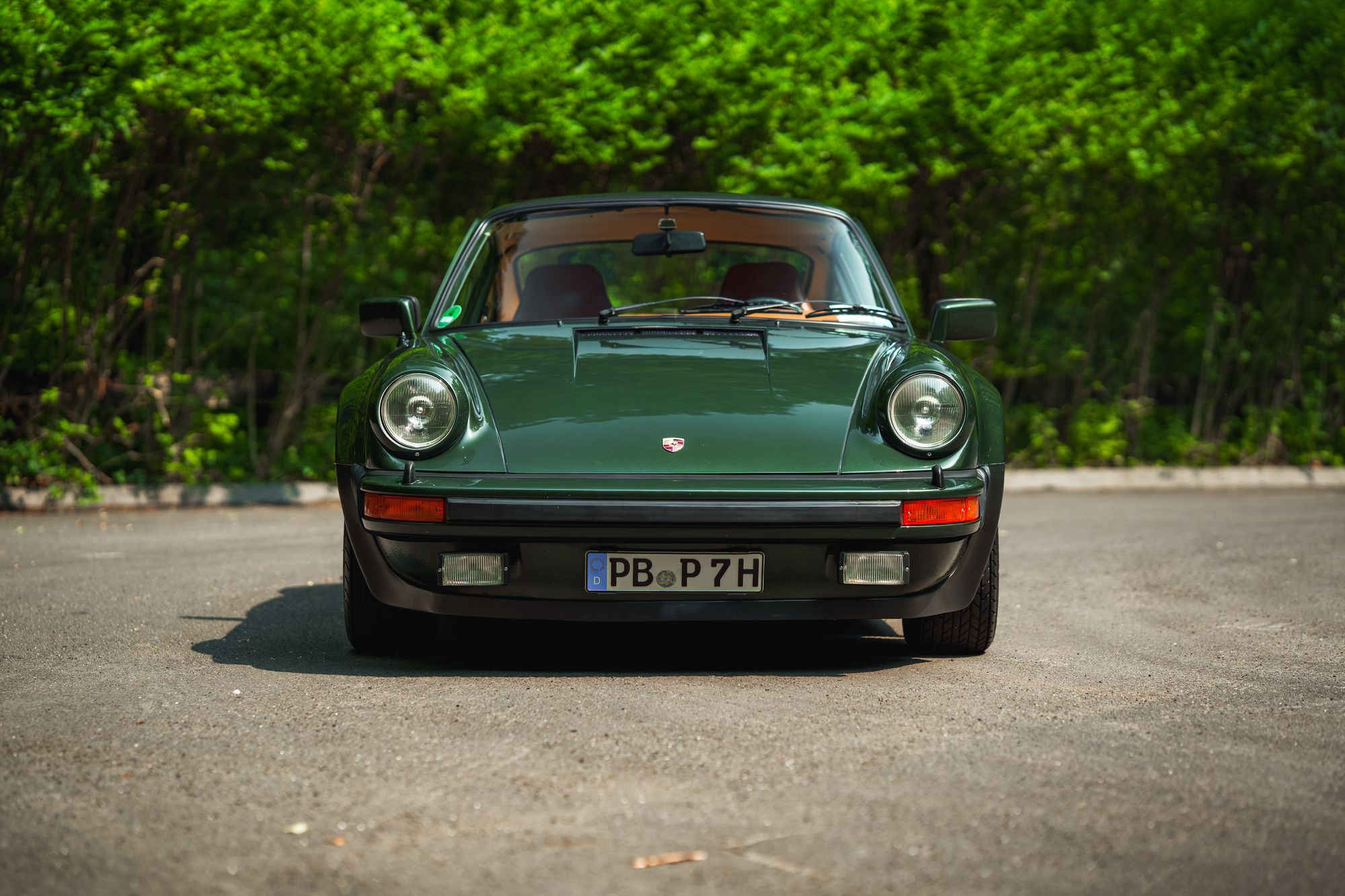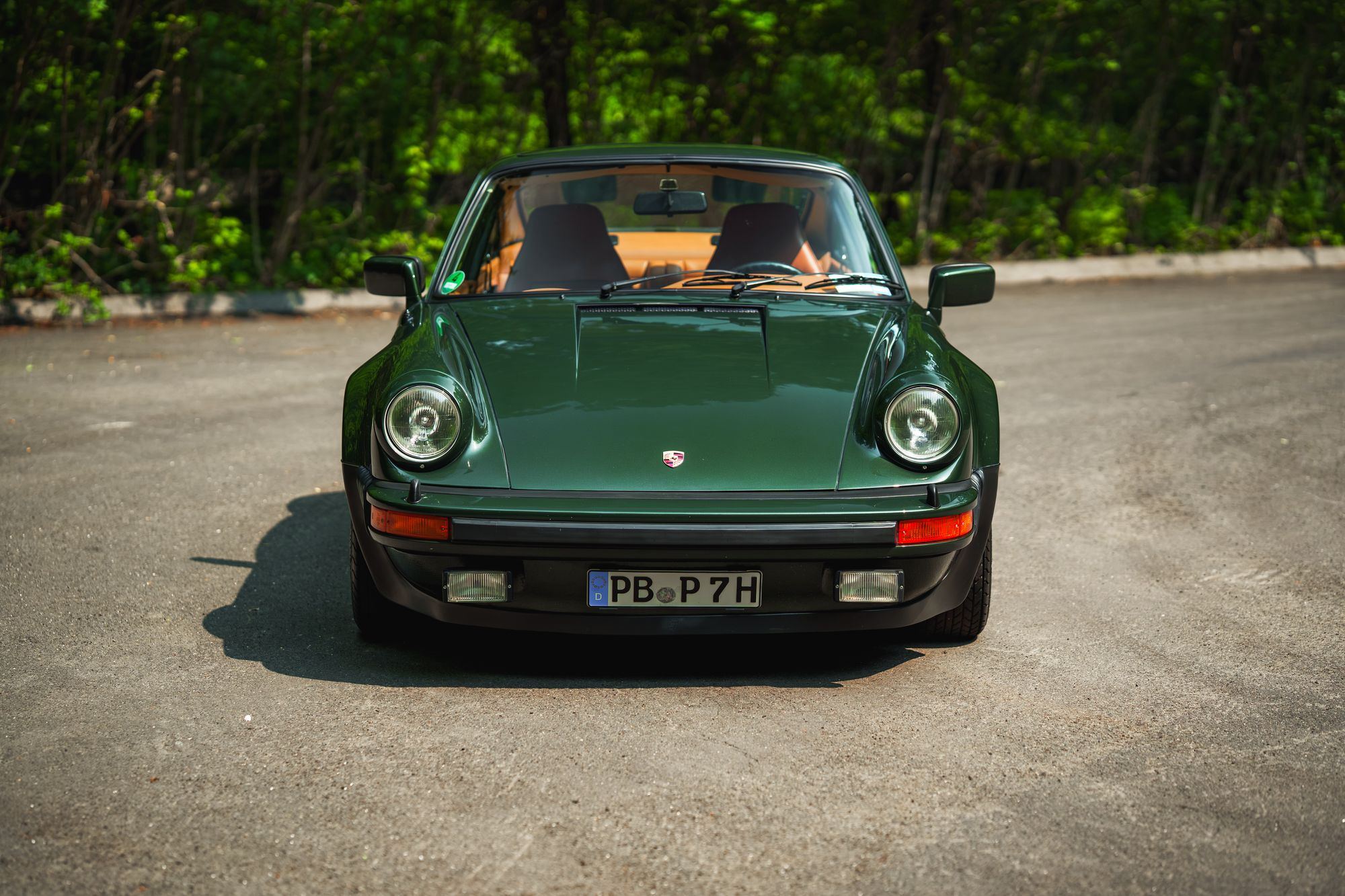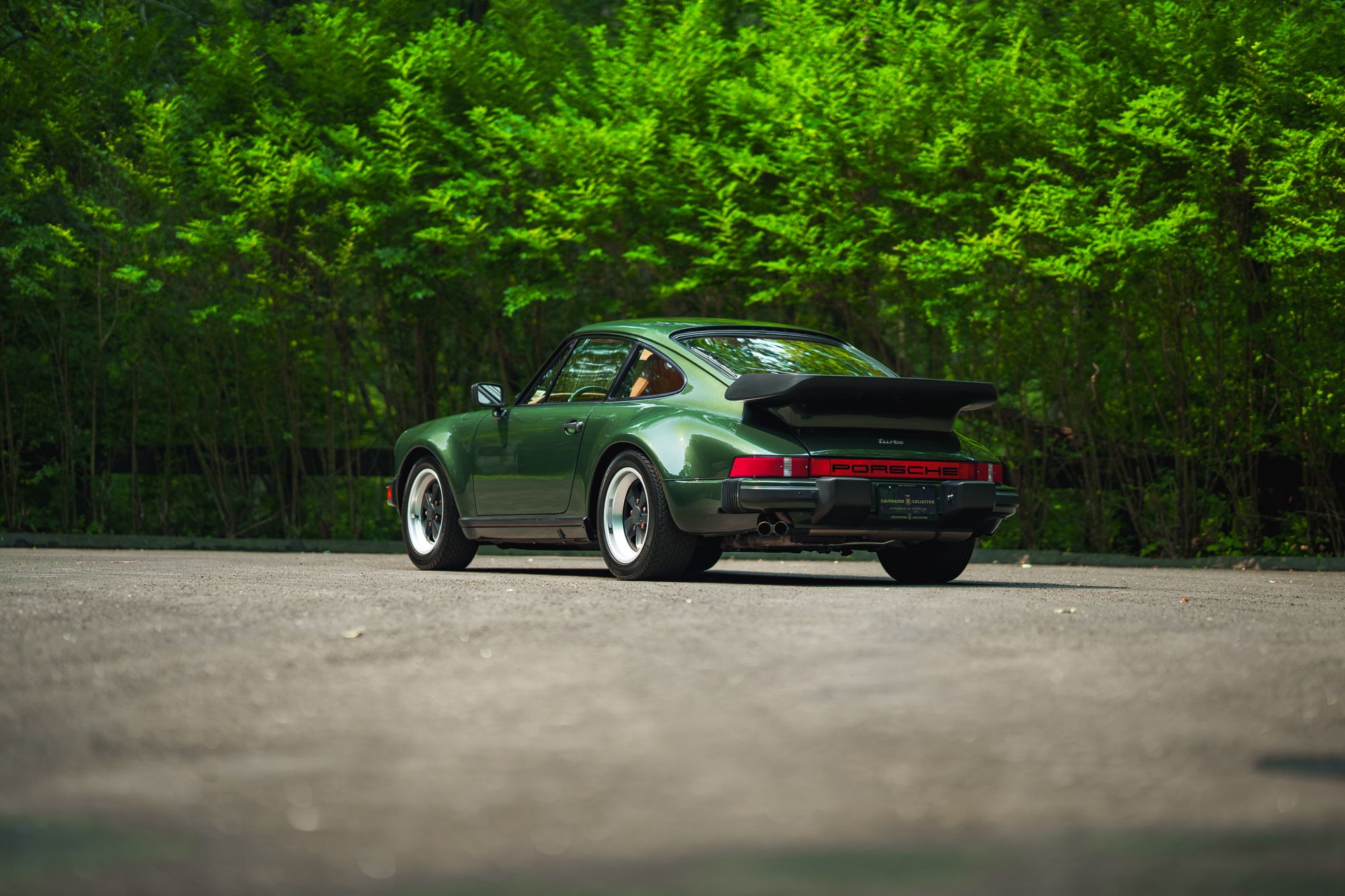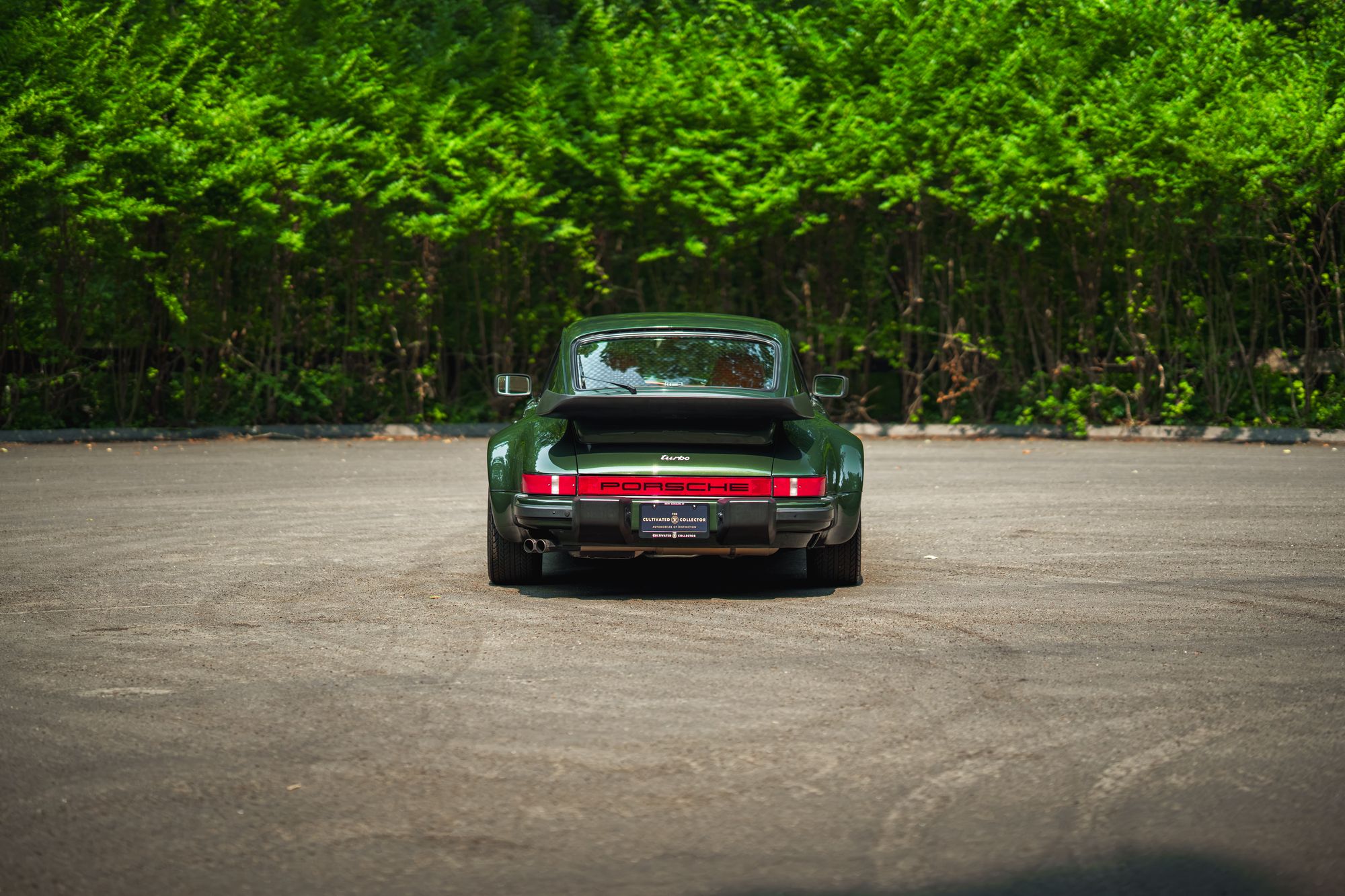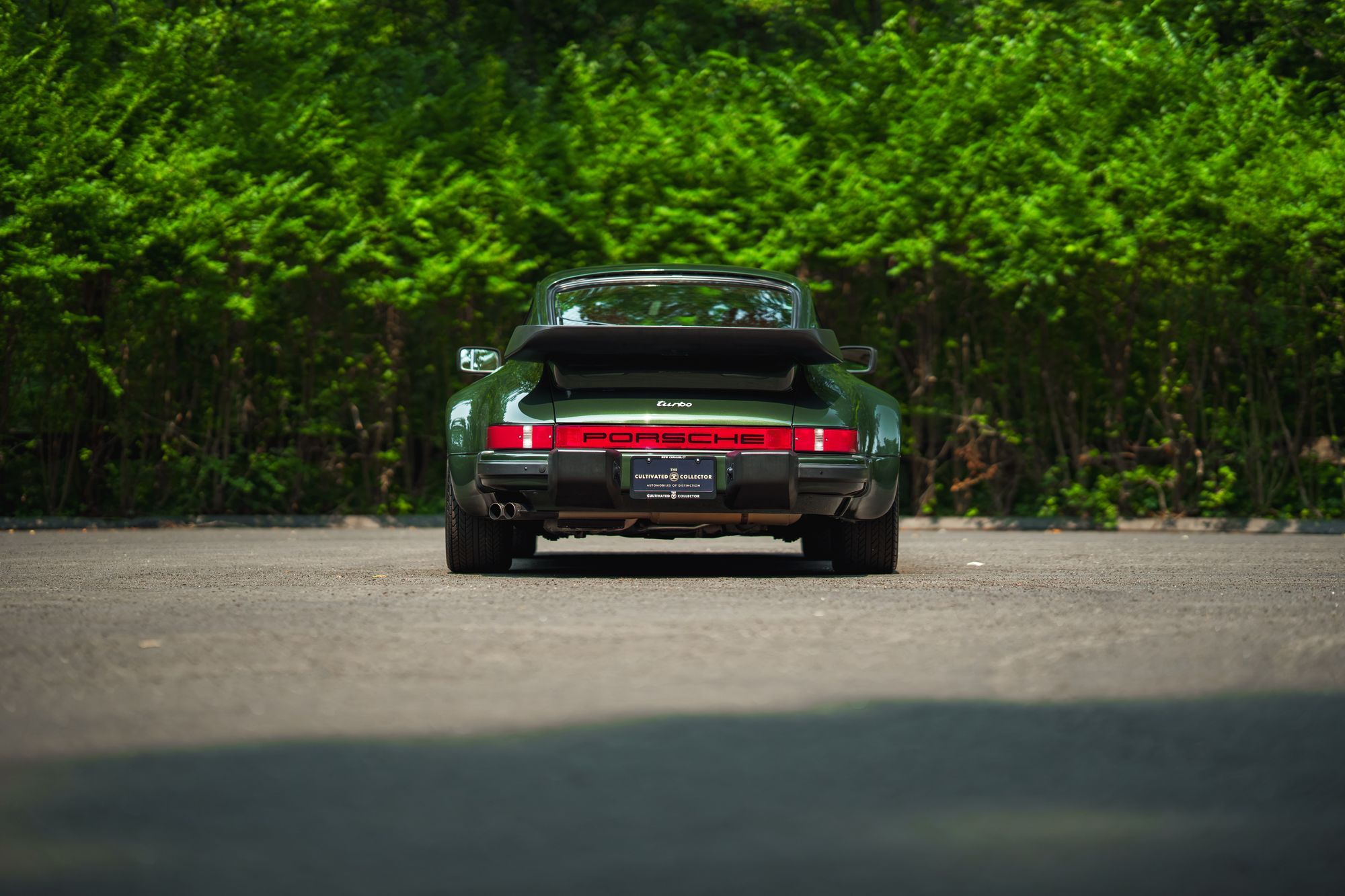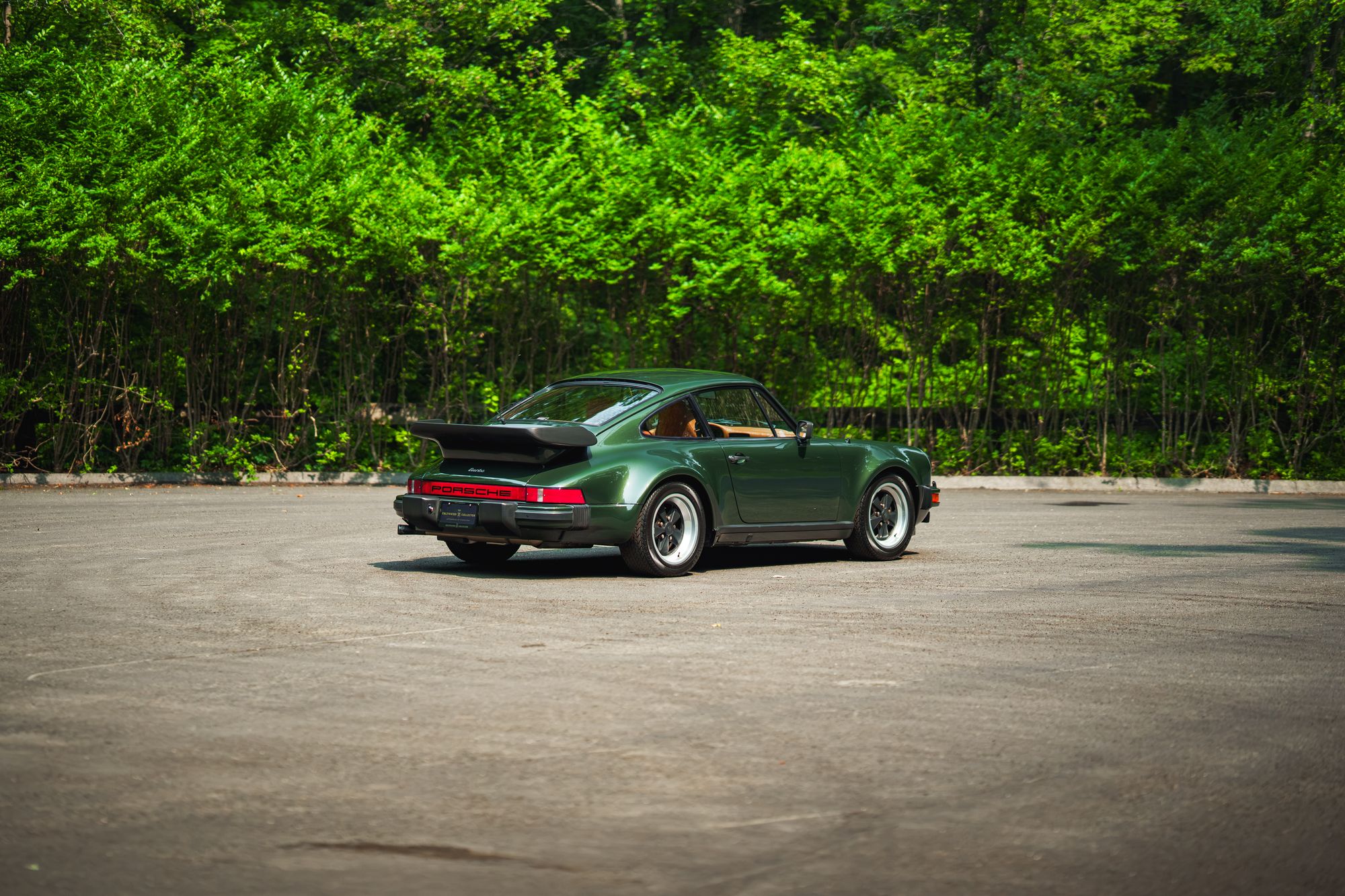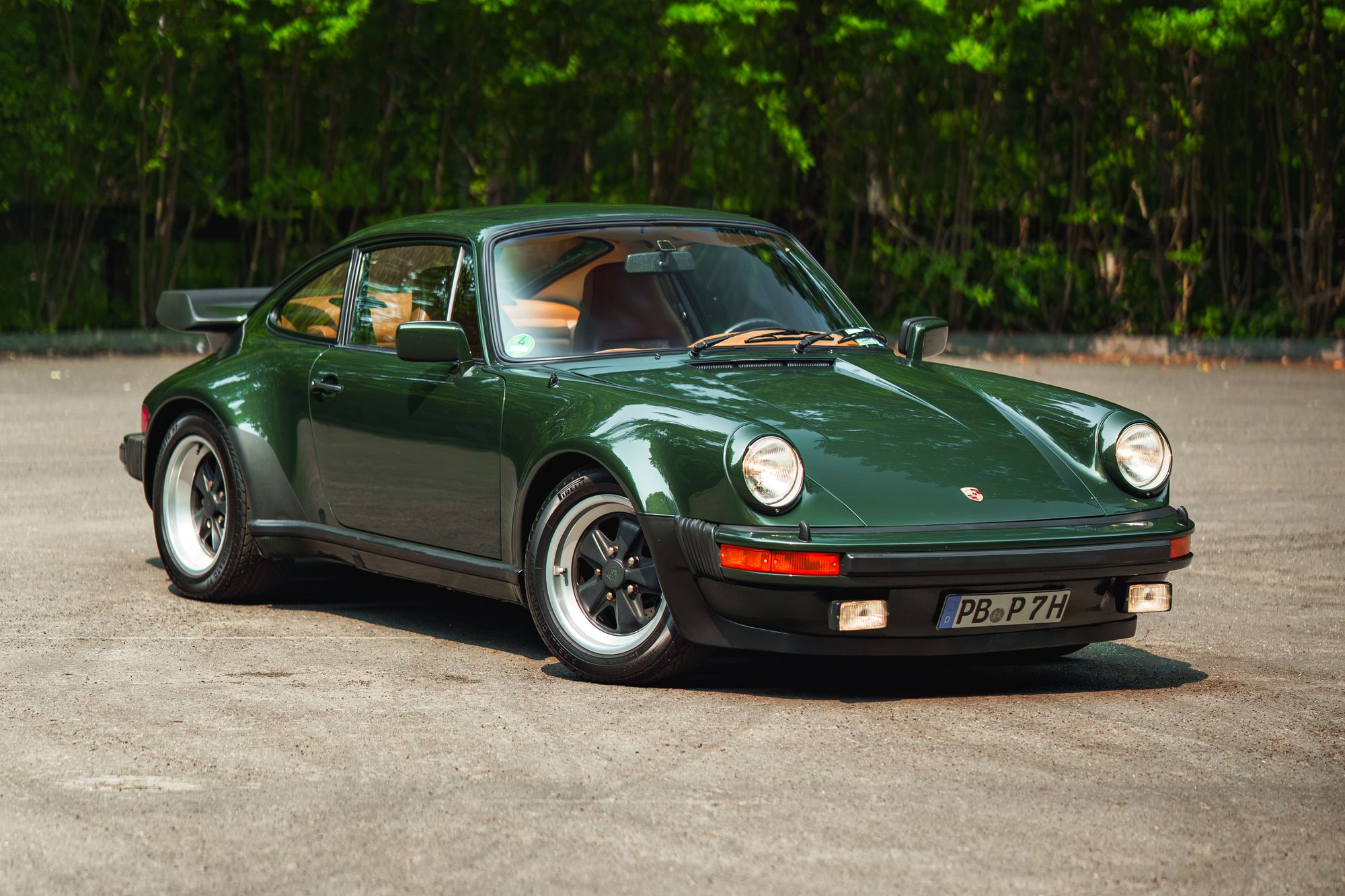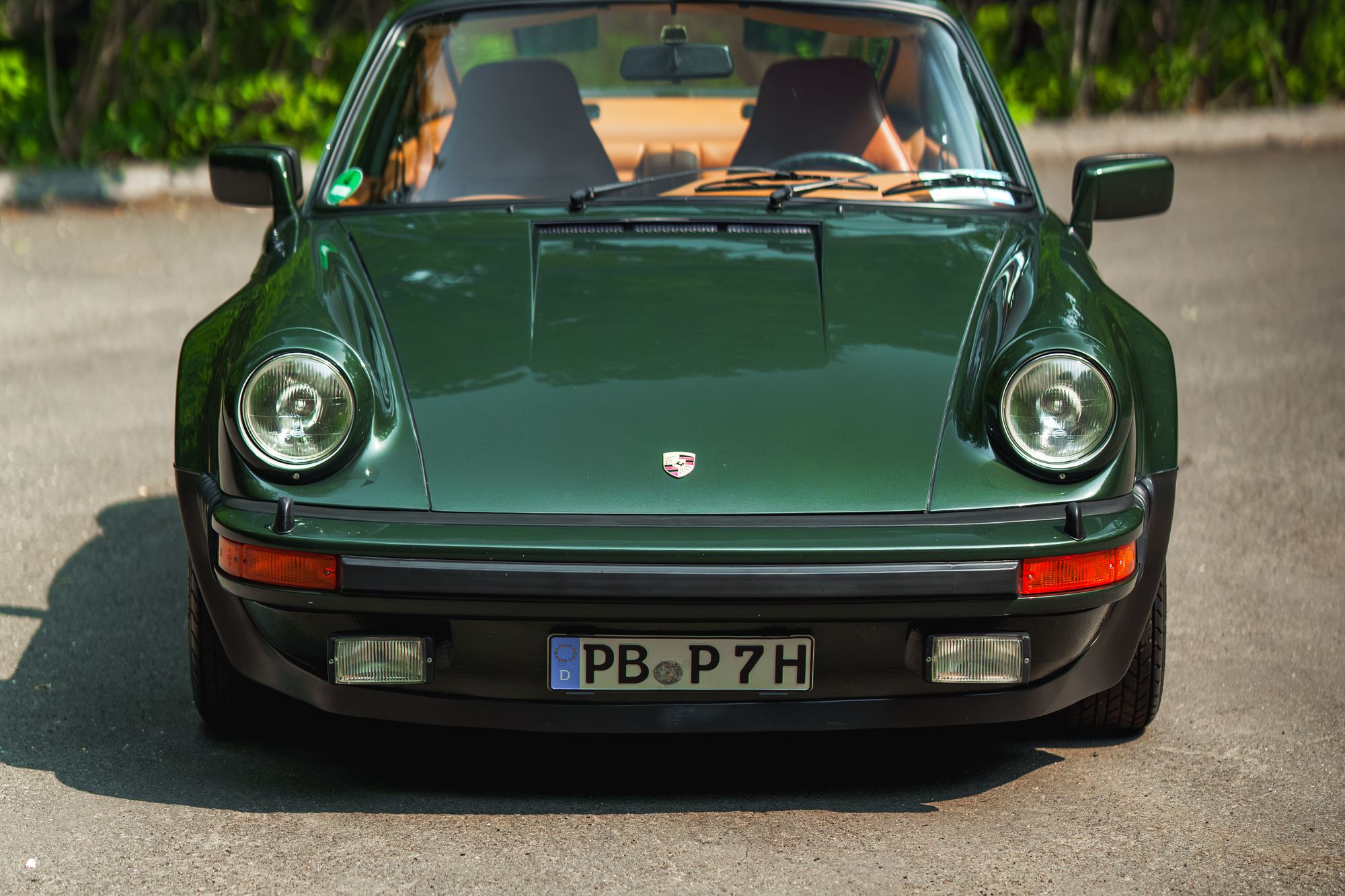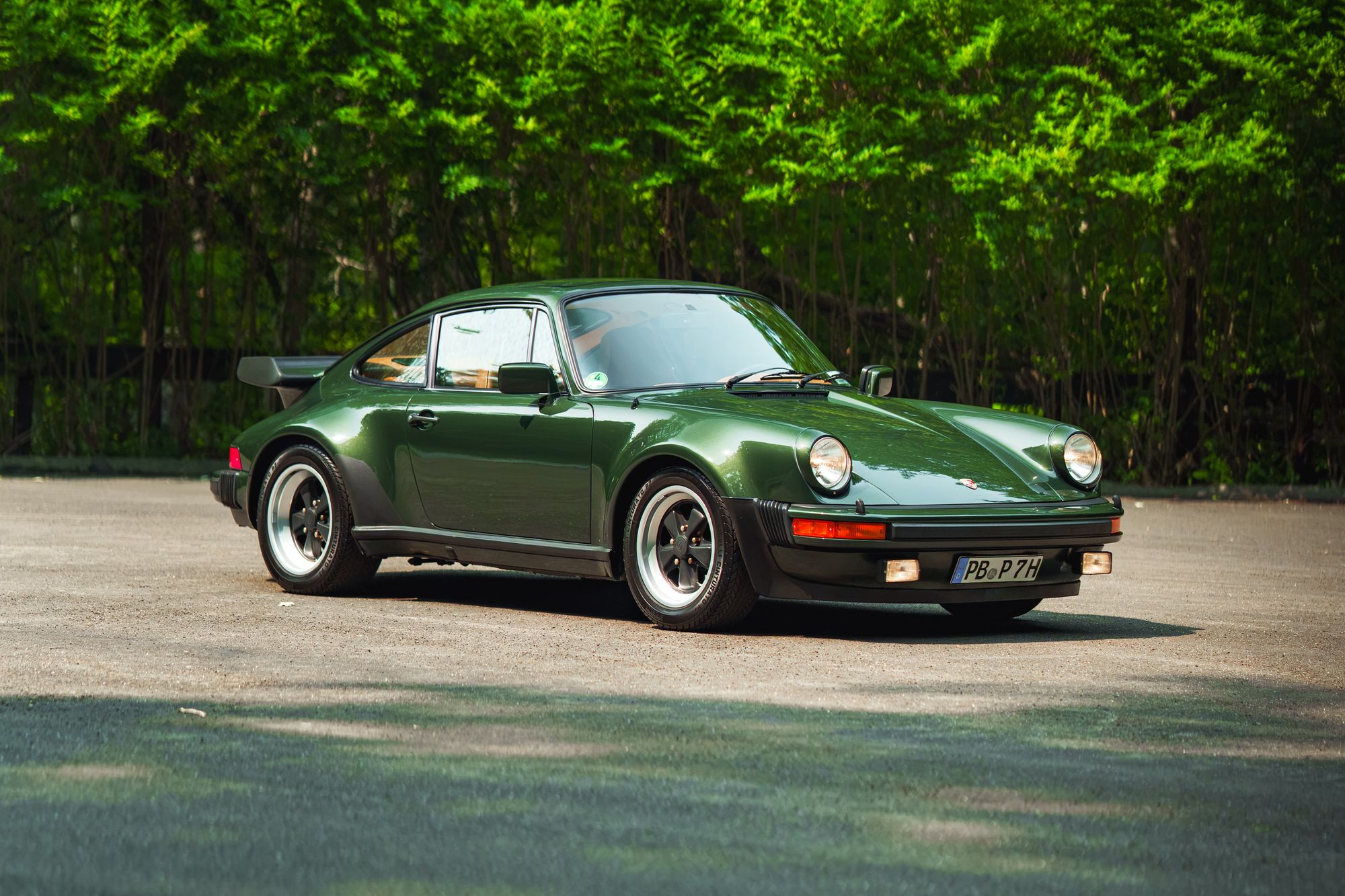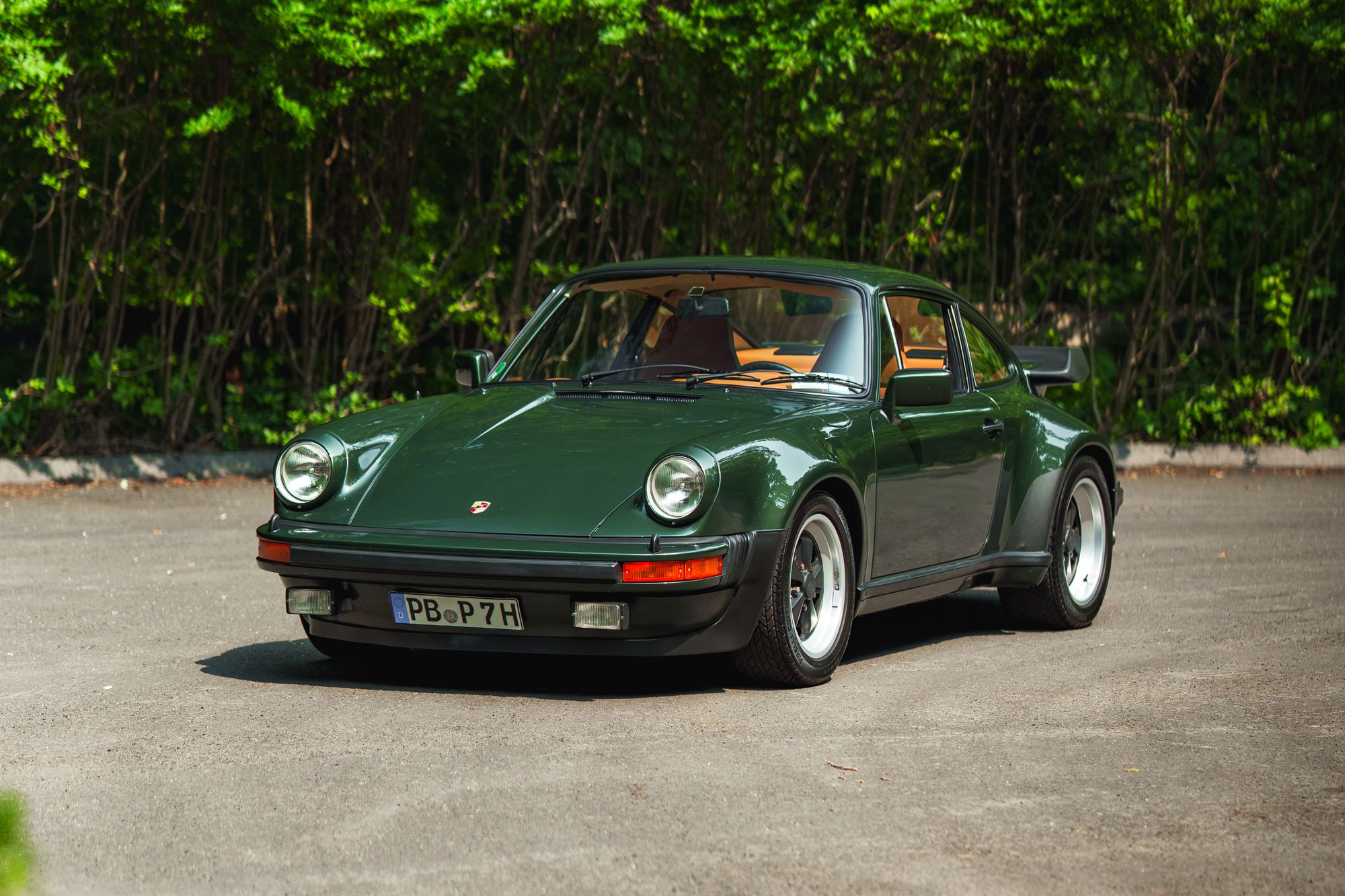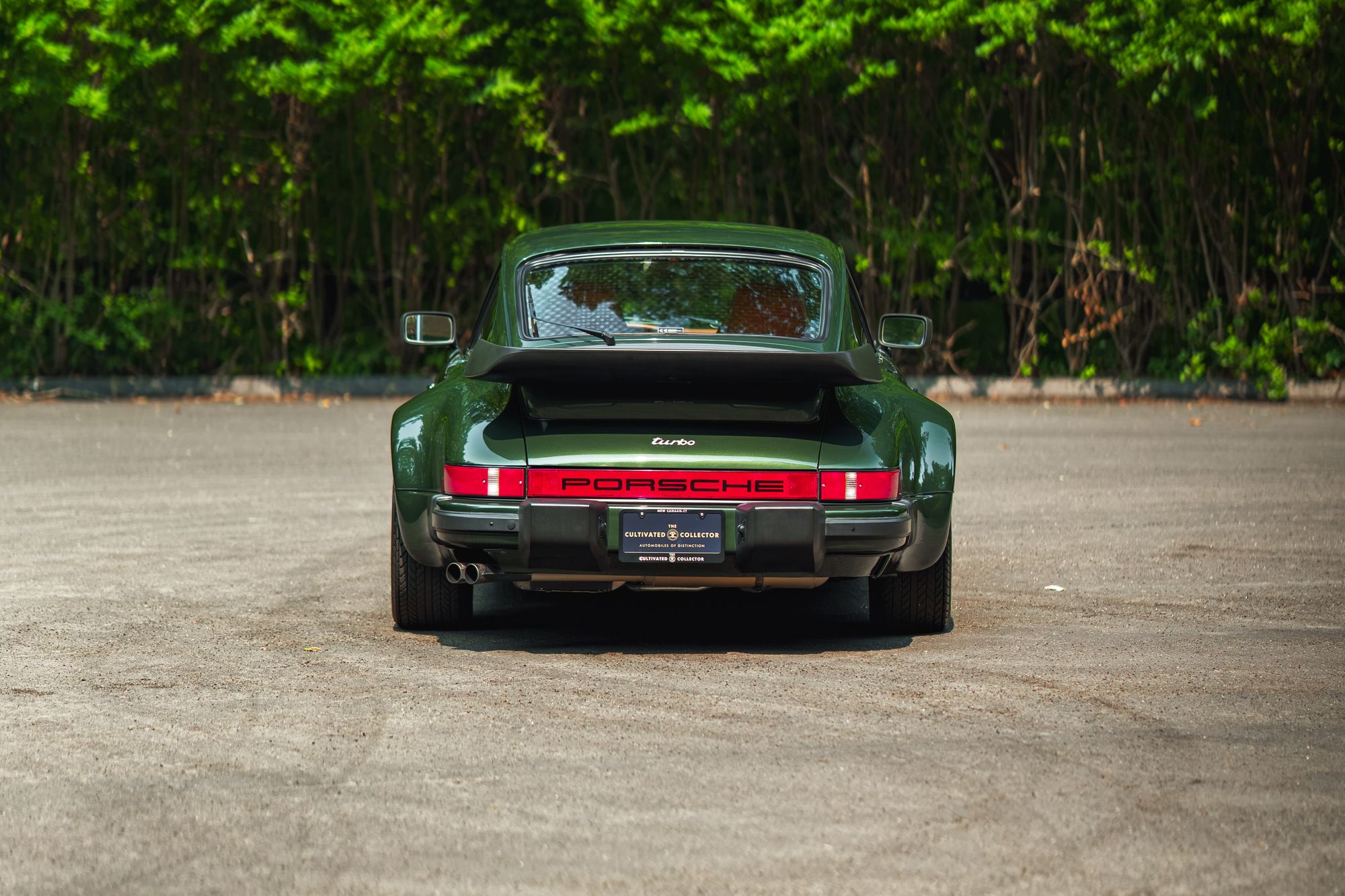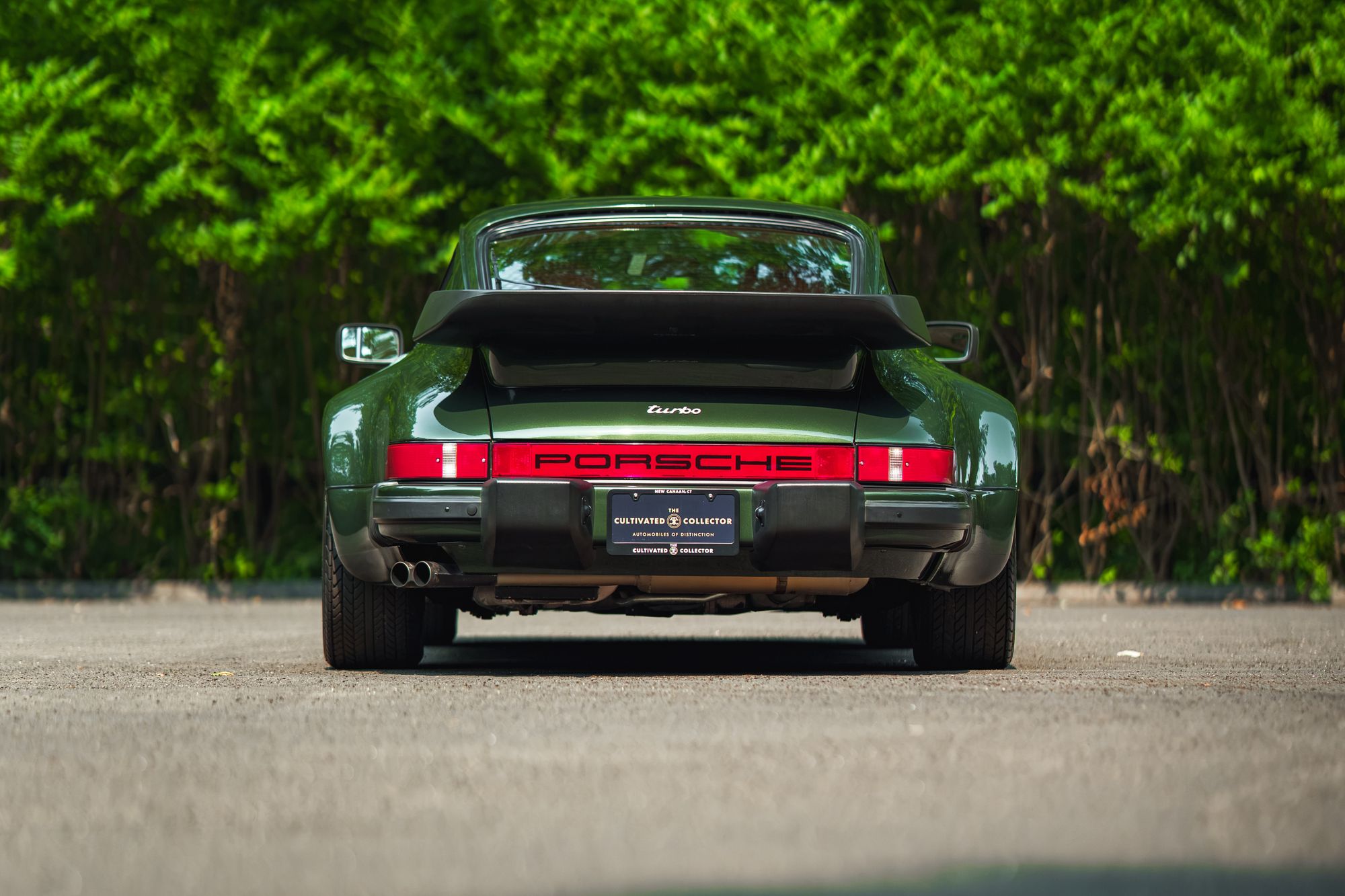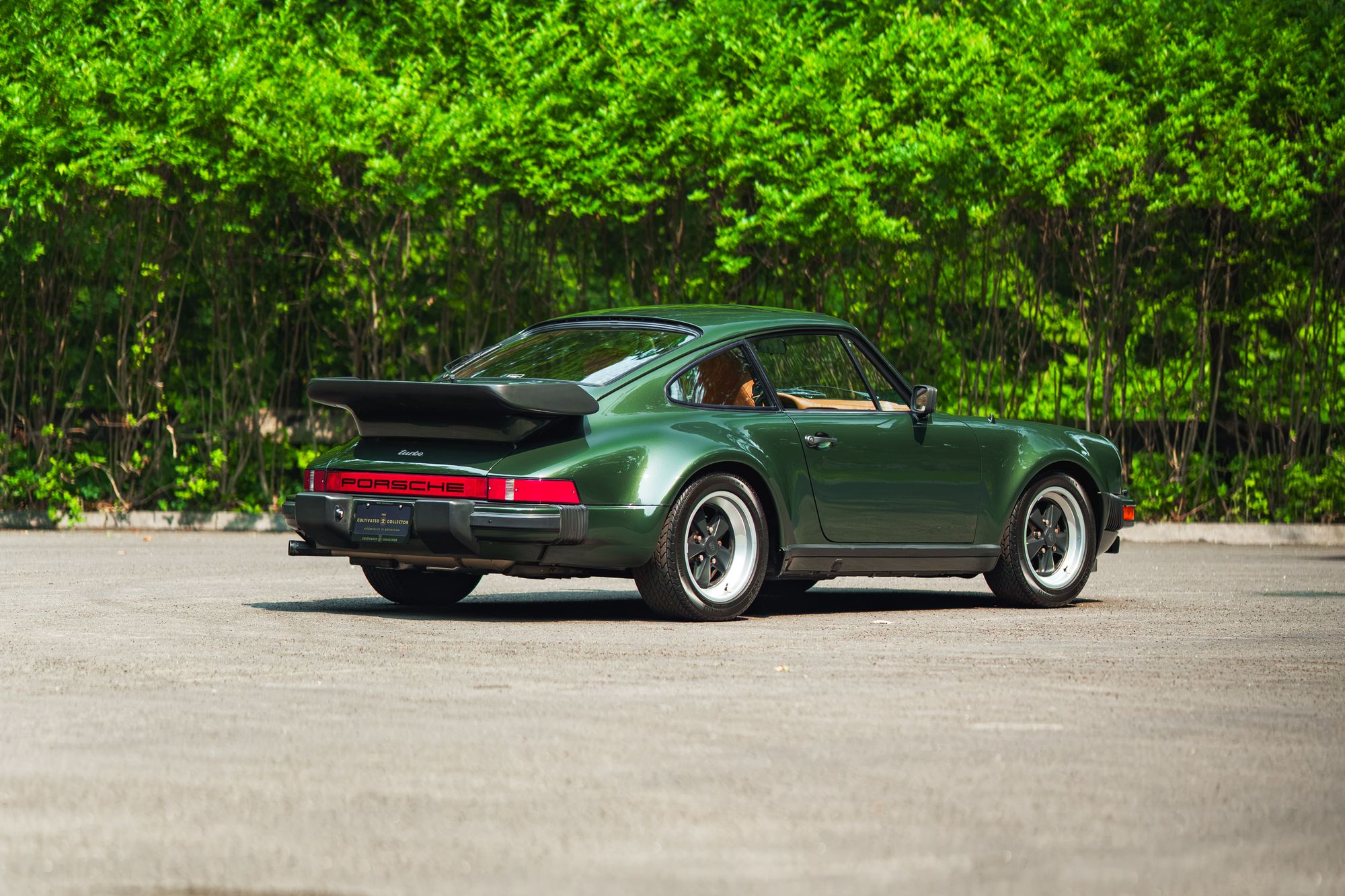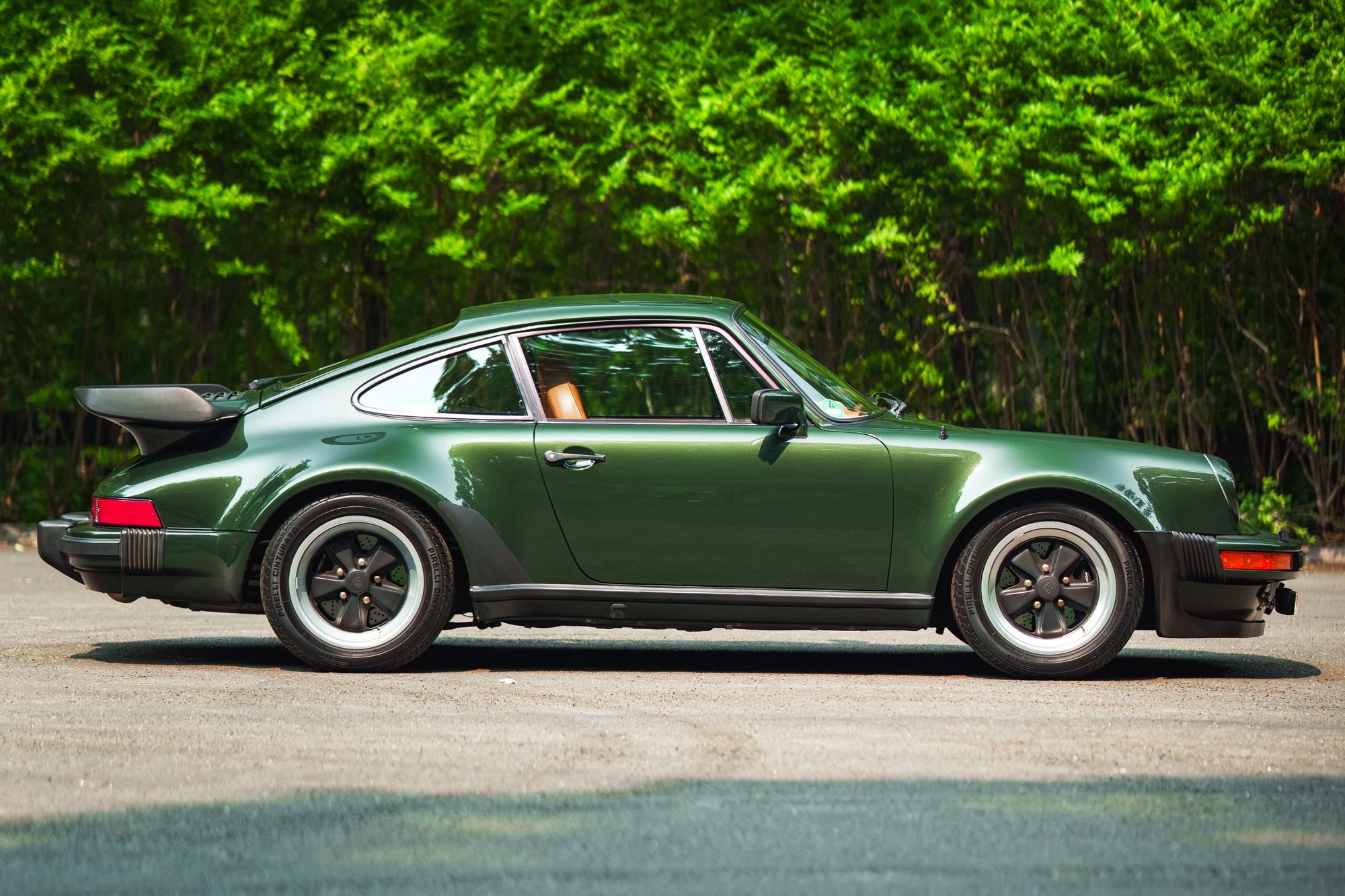
1979 Porsche Turbo
Highlights
-
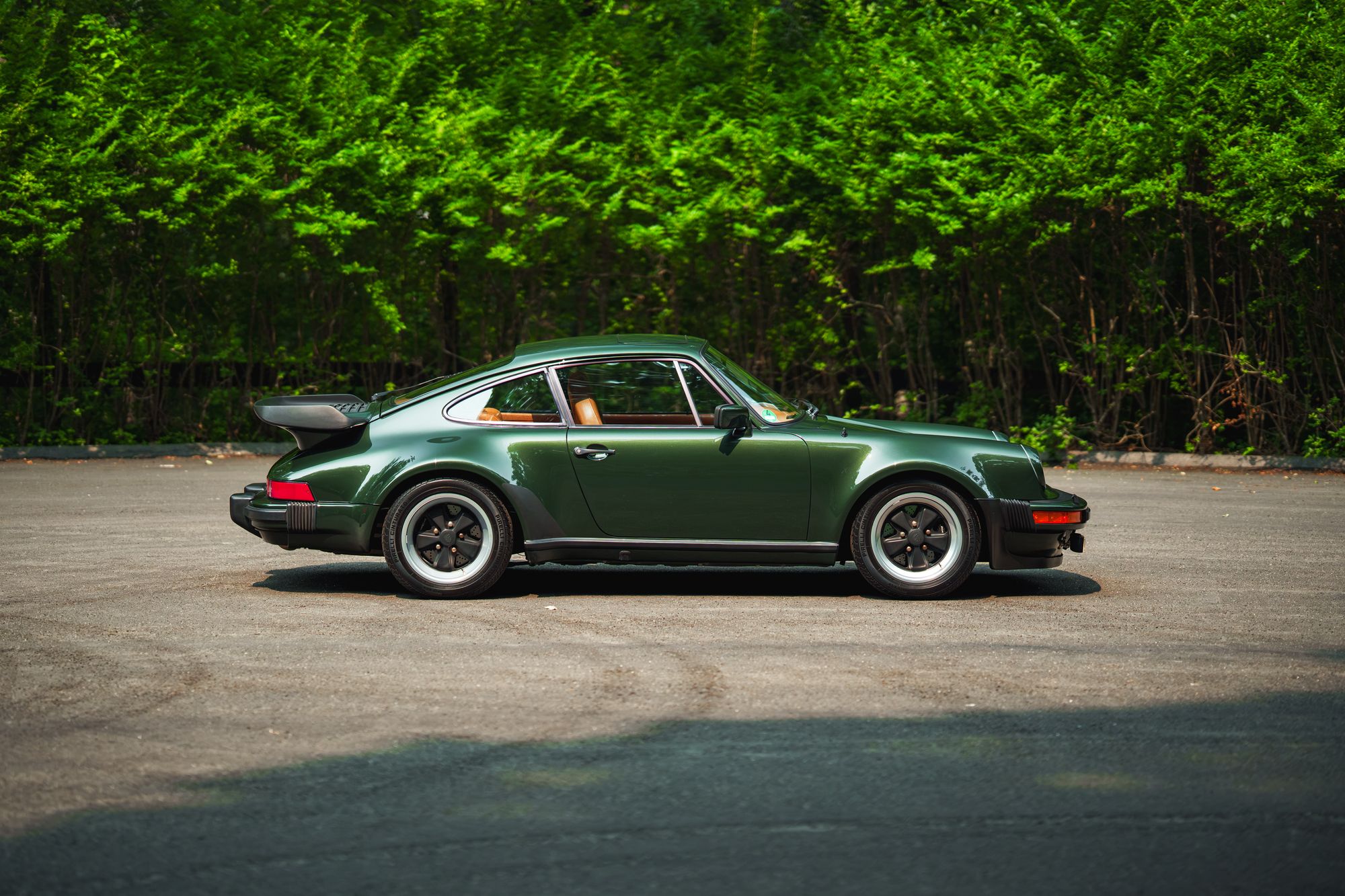
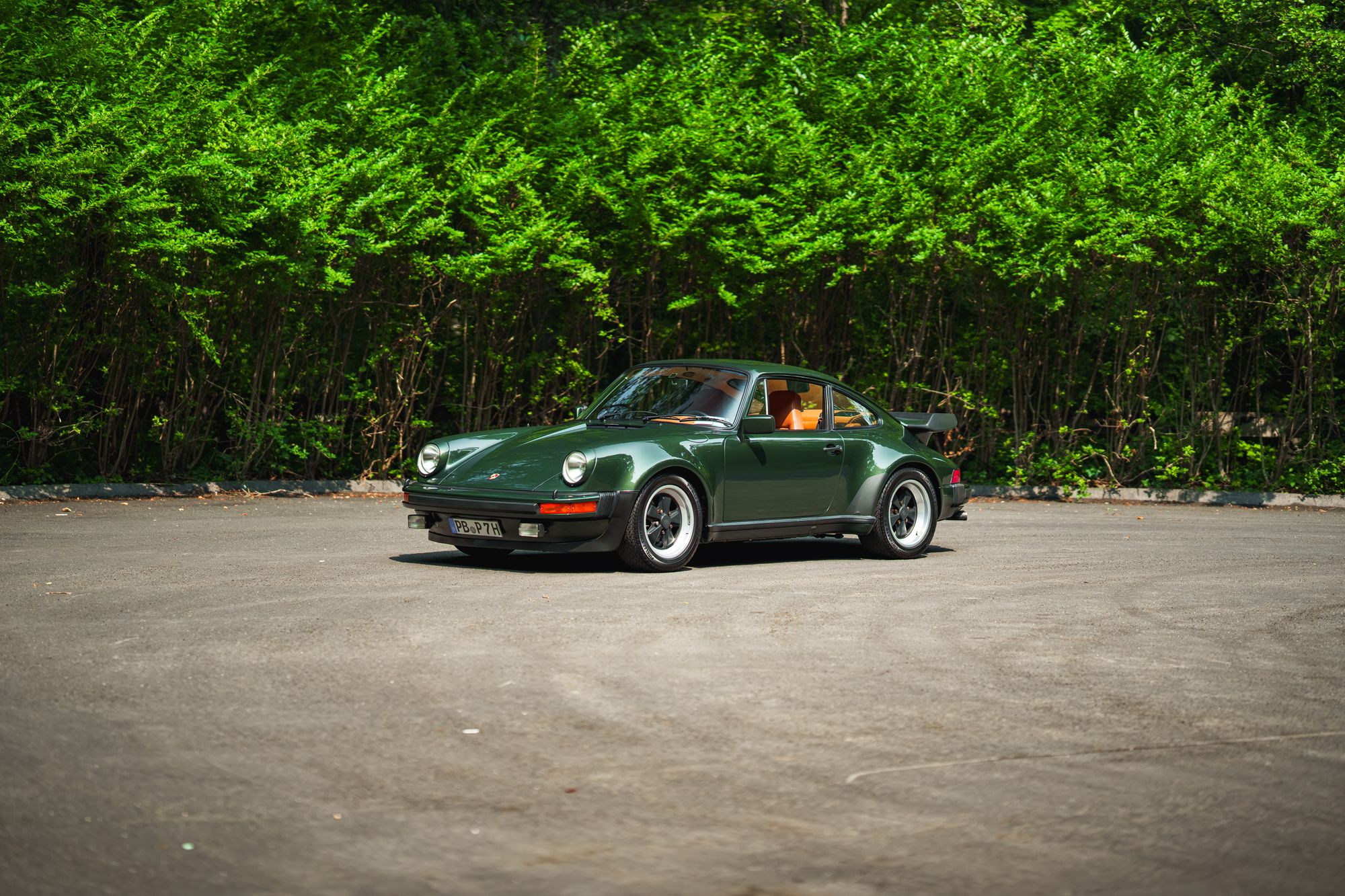
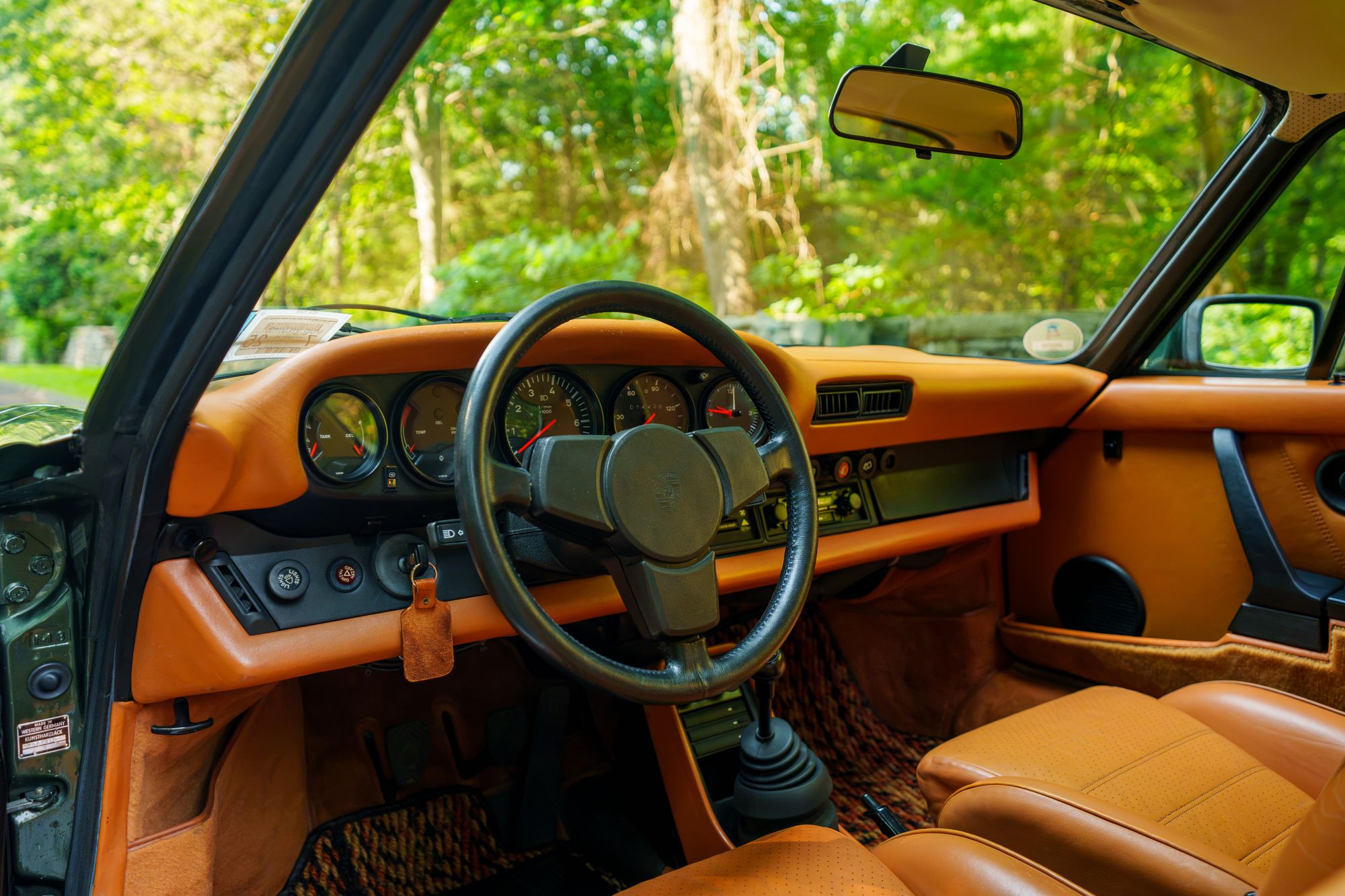
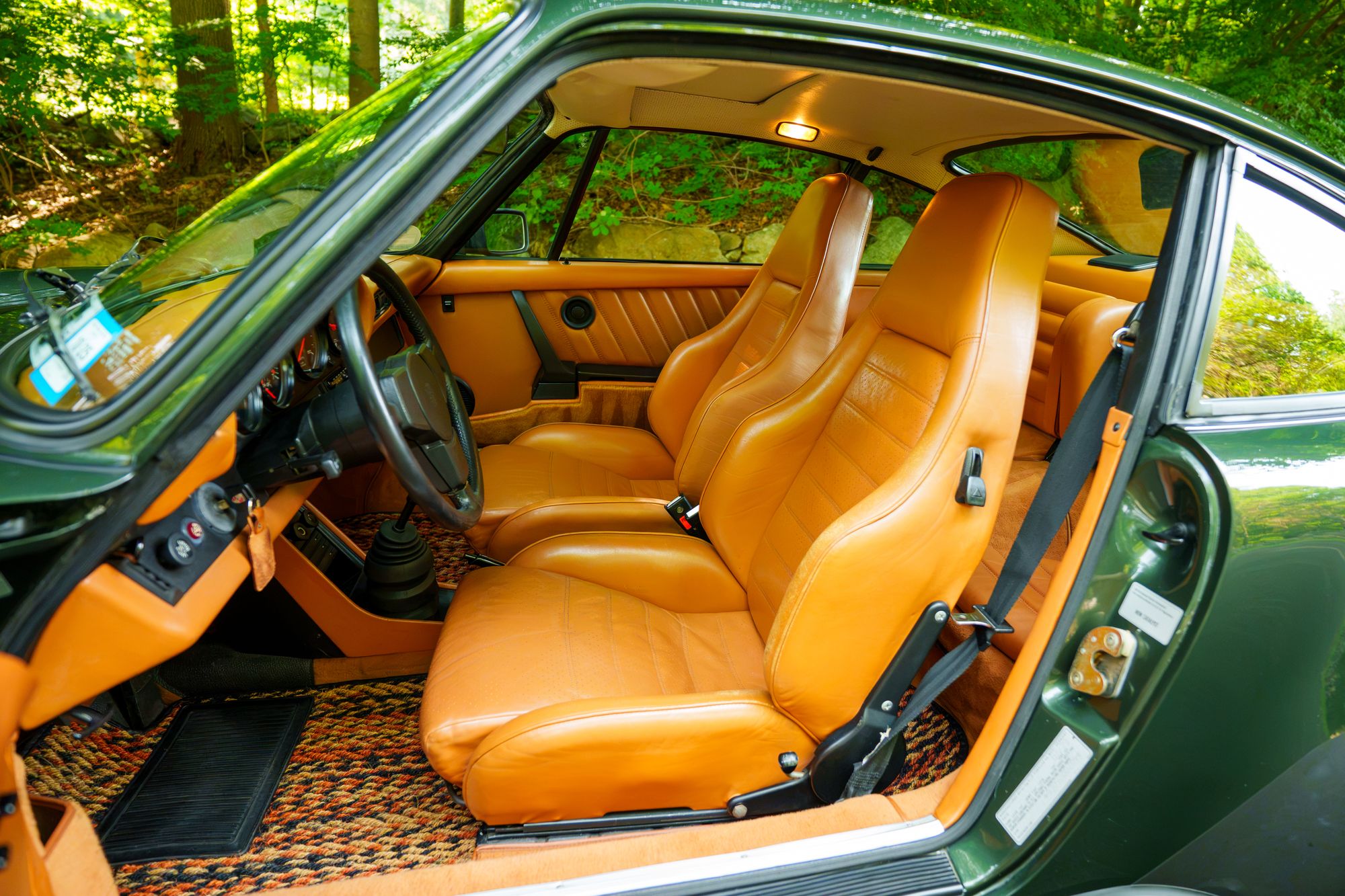
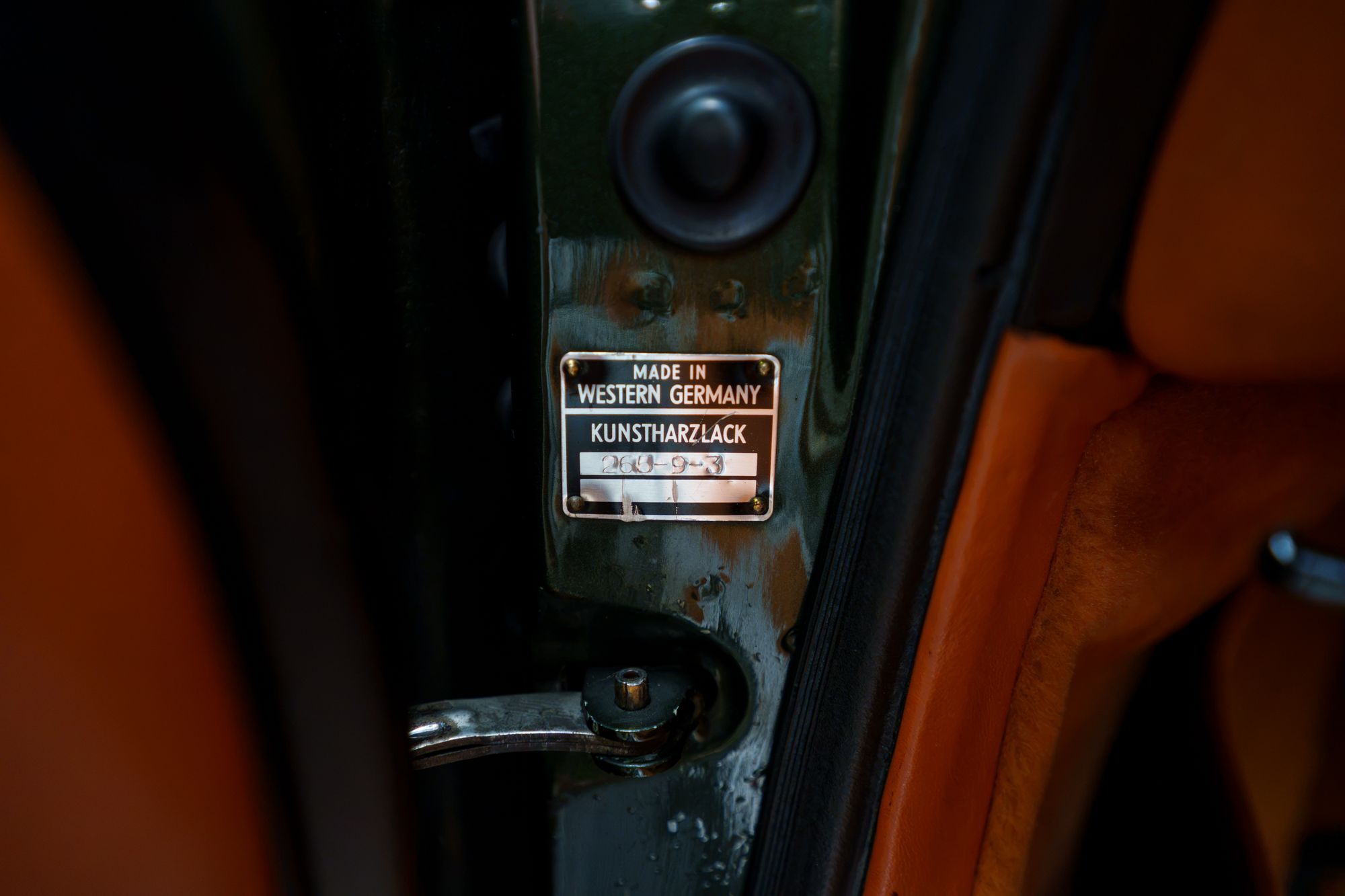
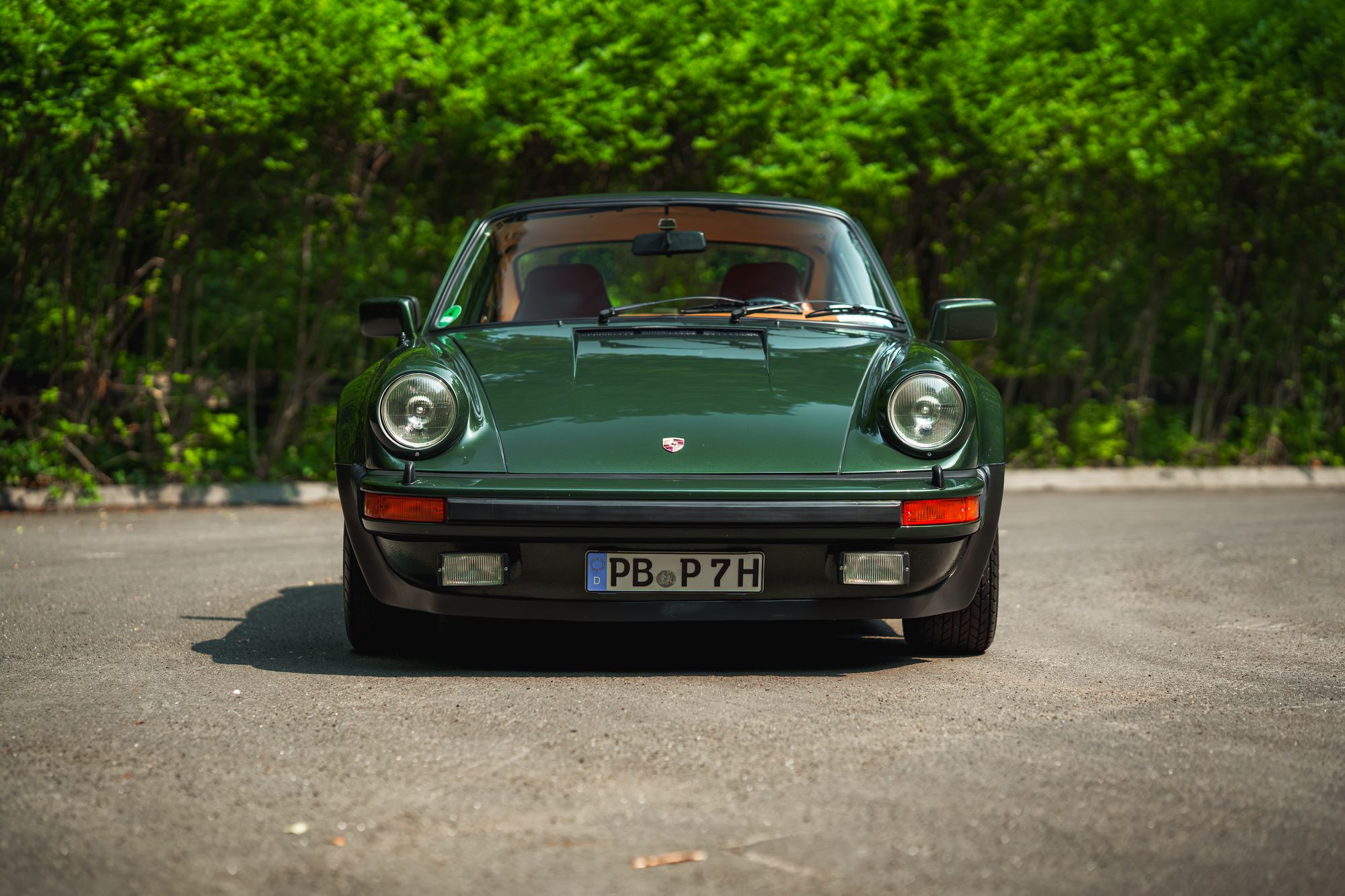
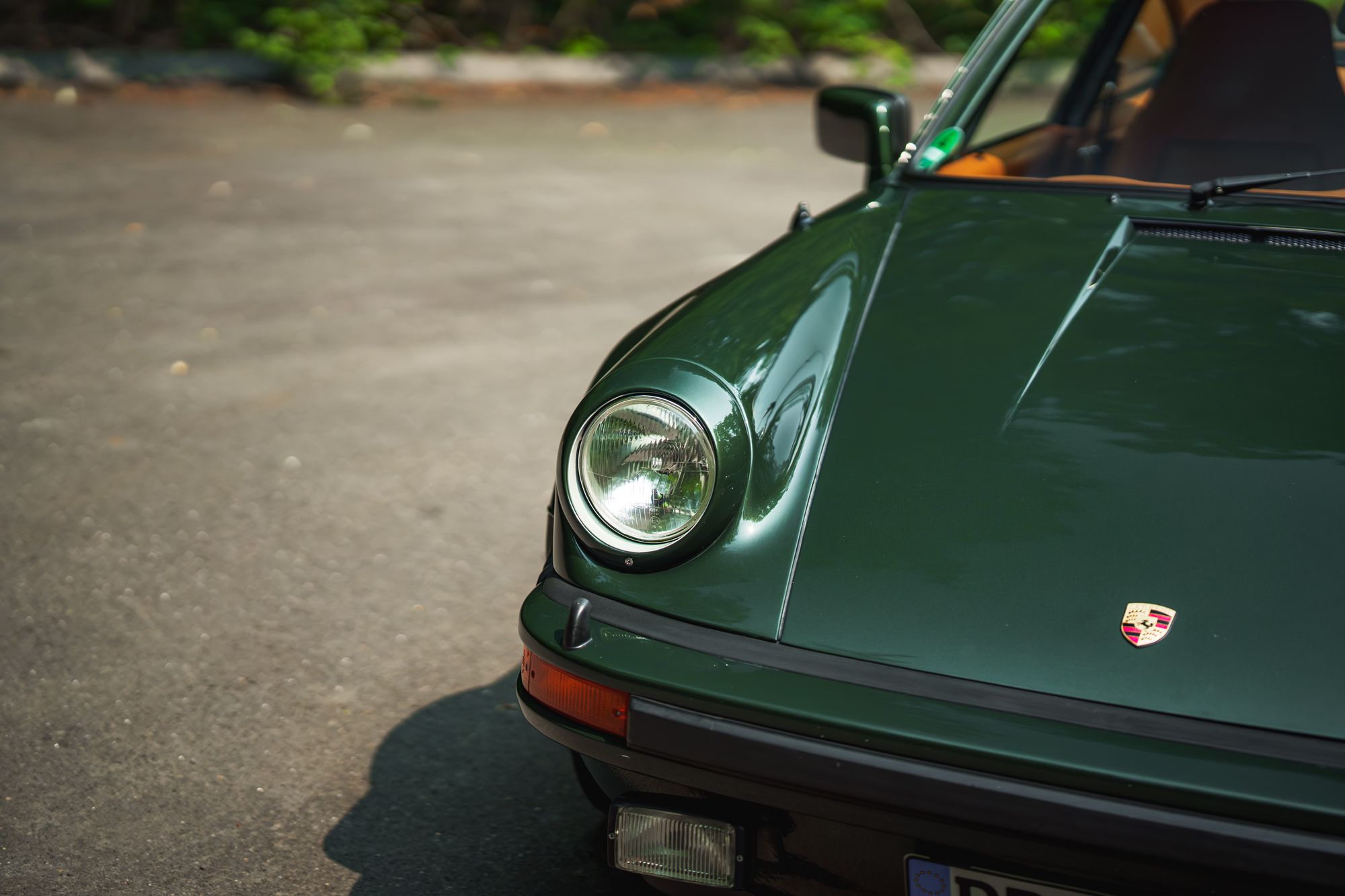
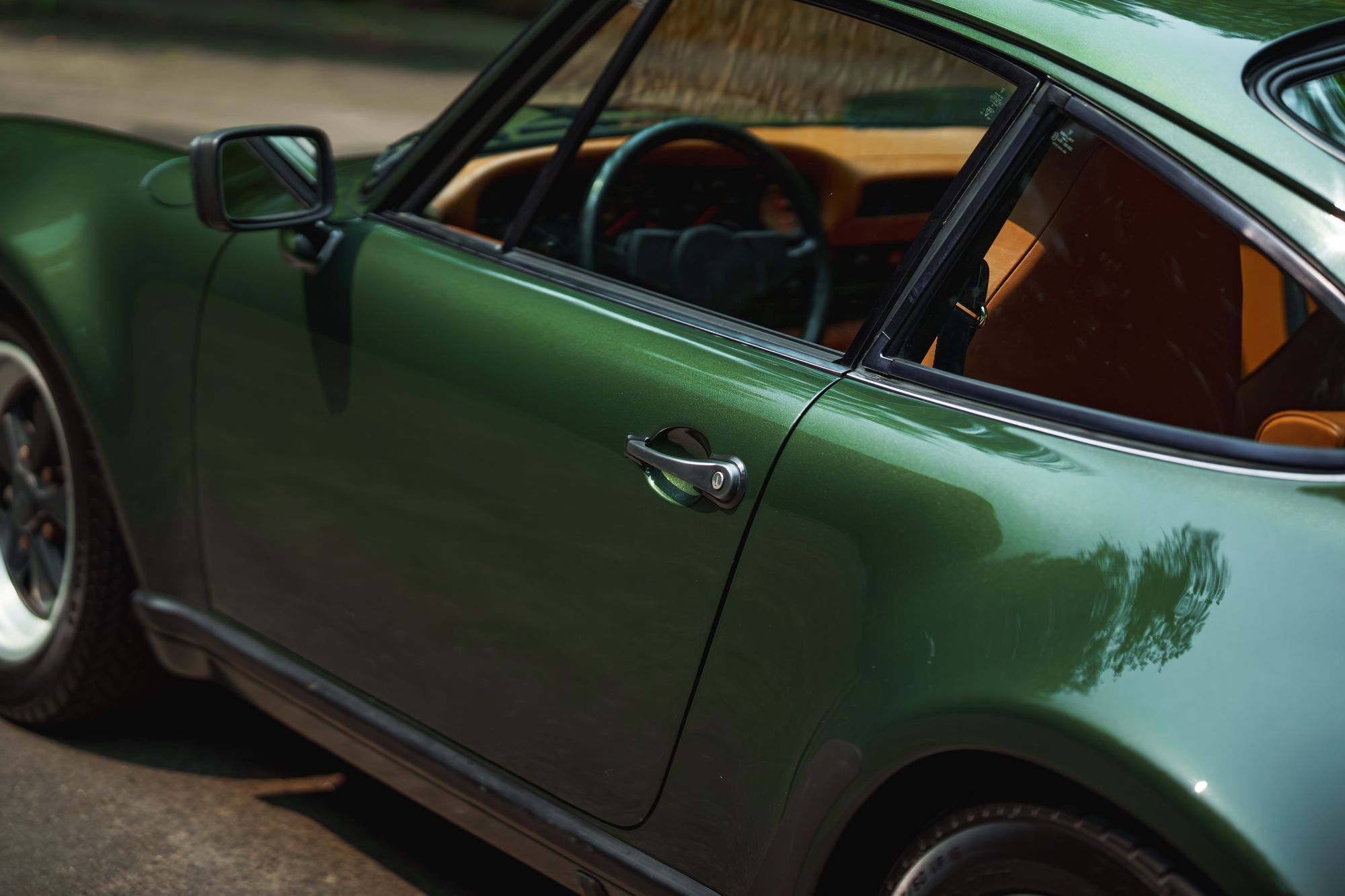
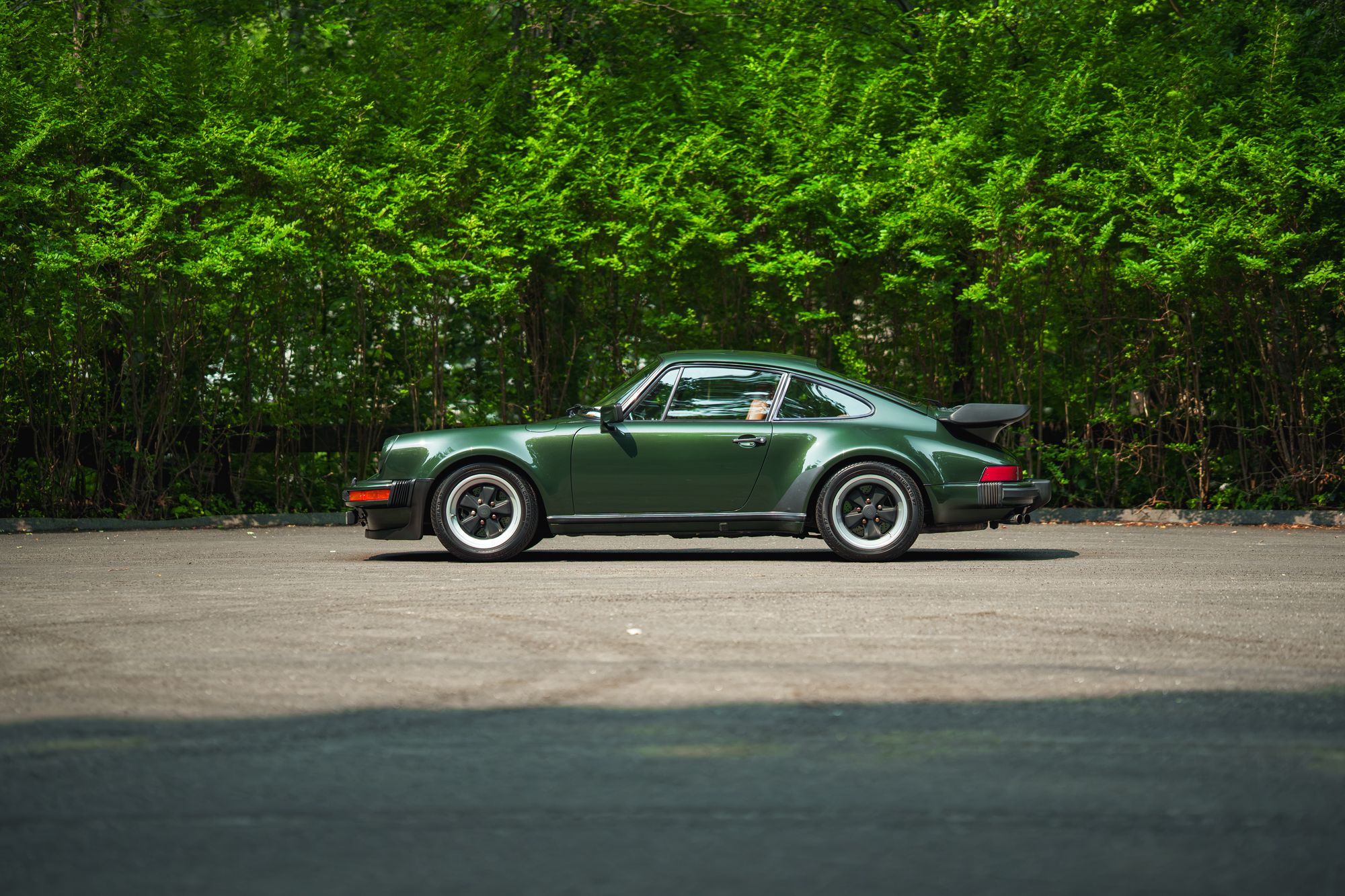
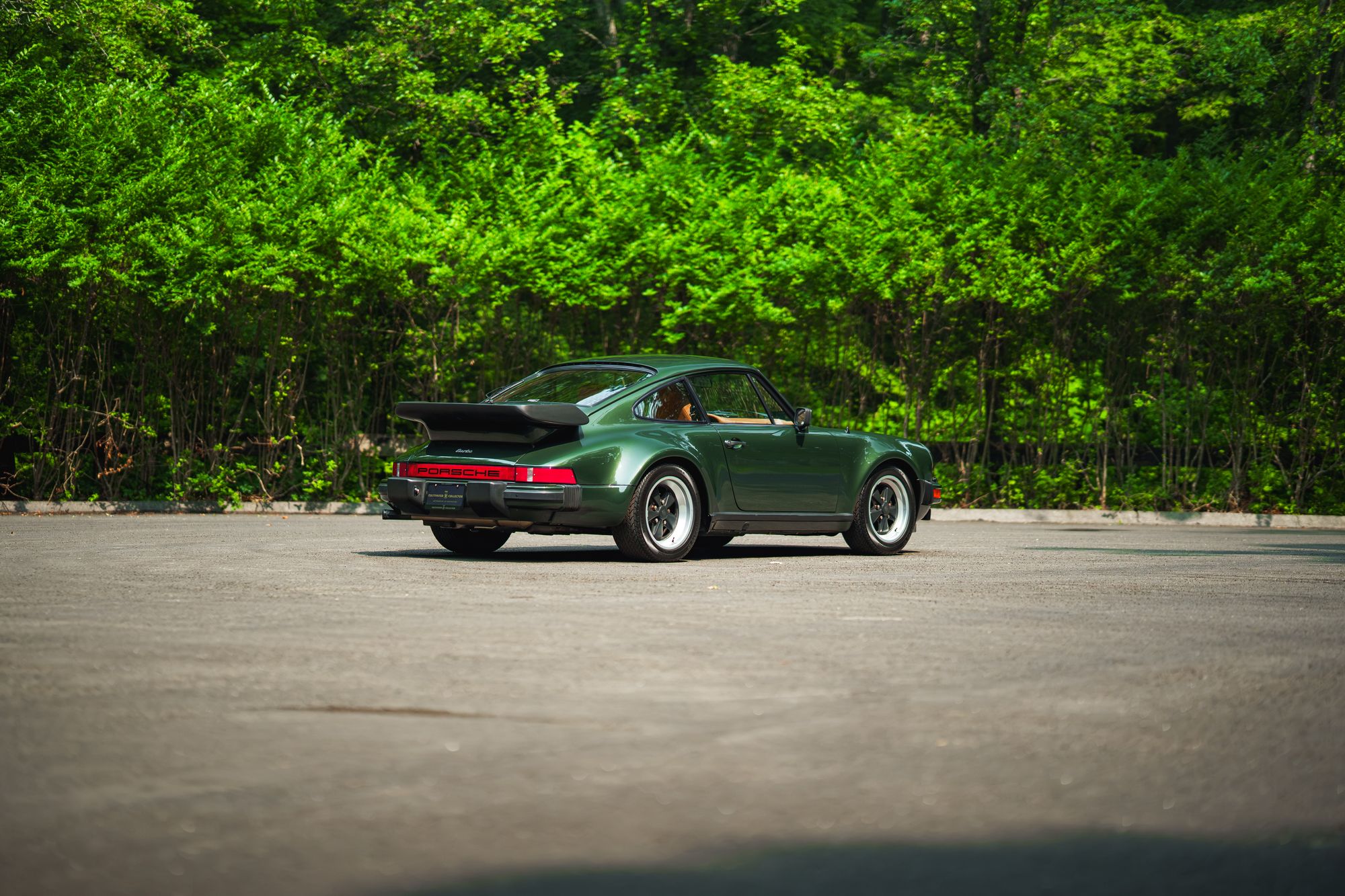
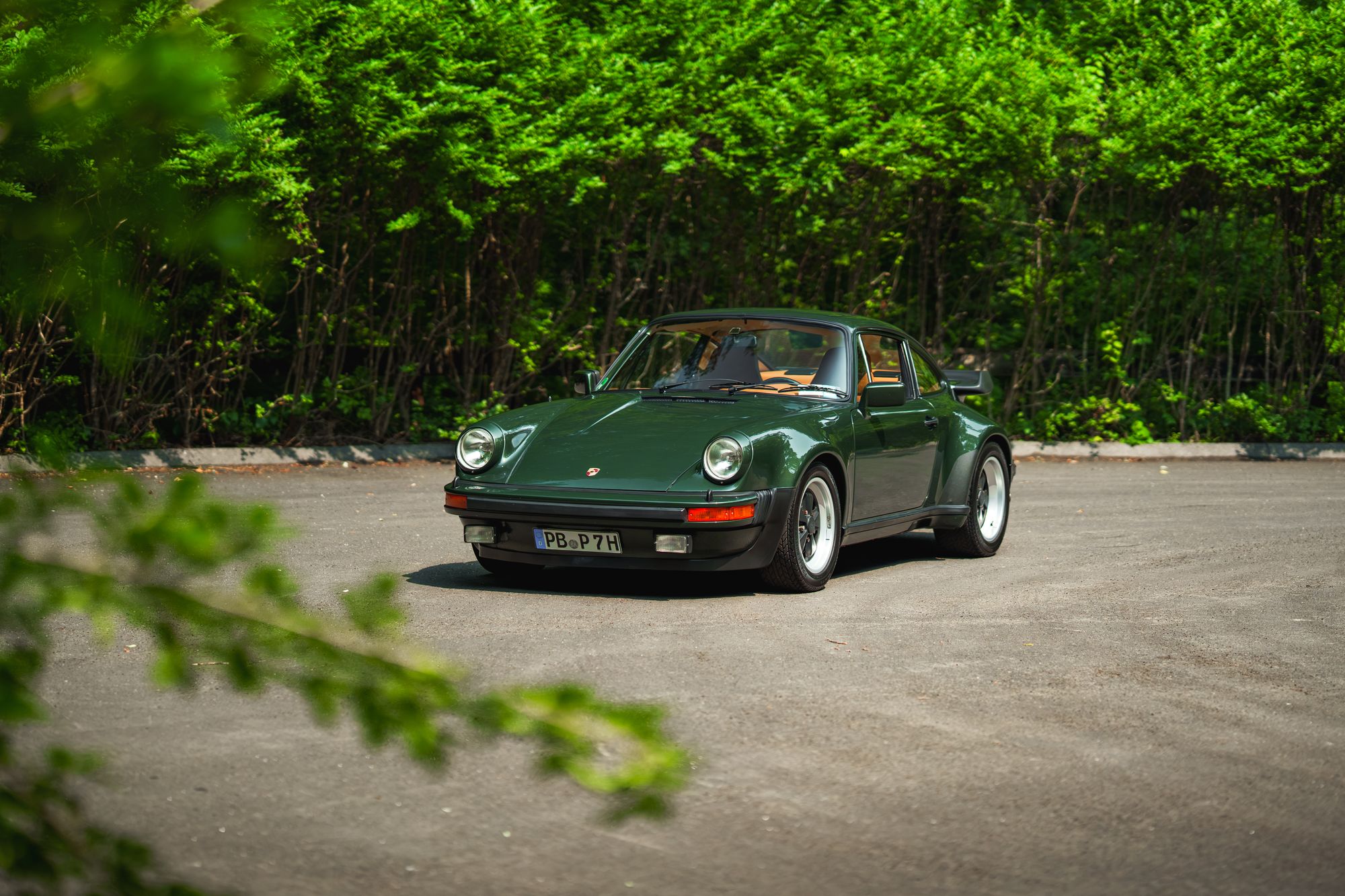
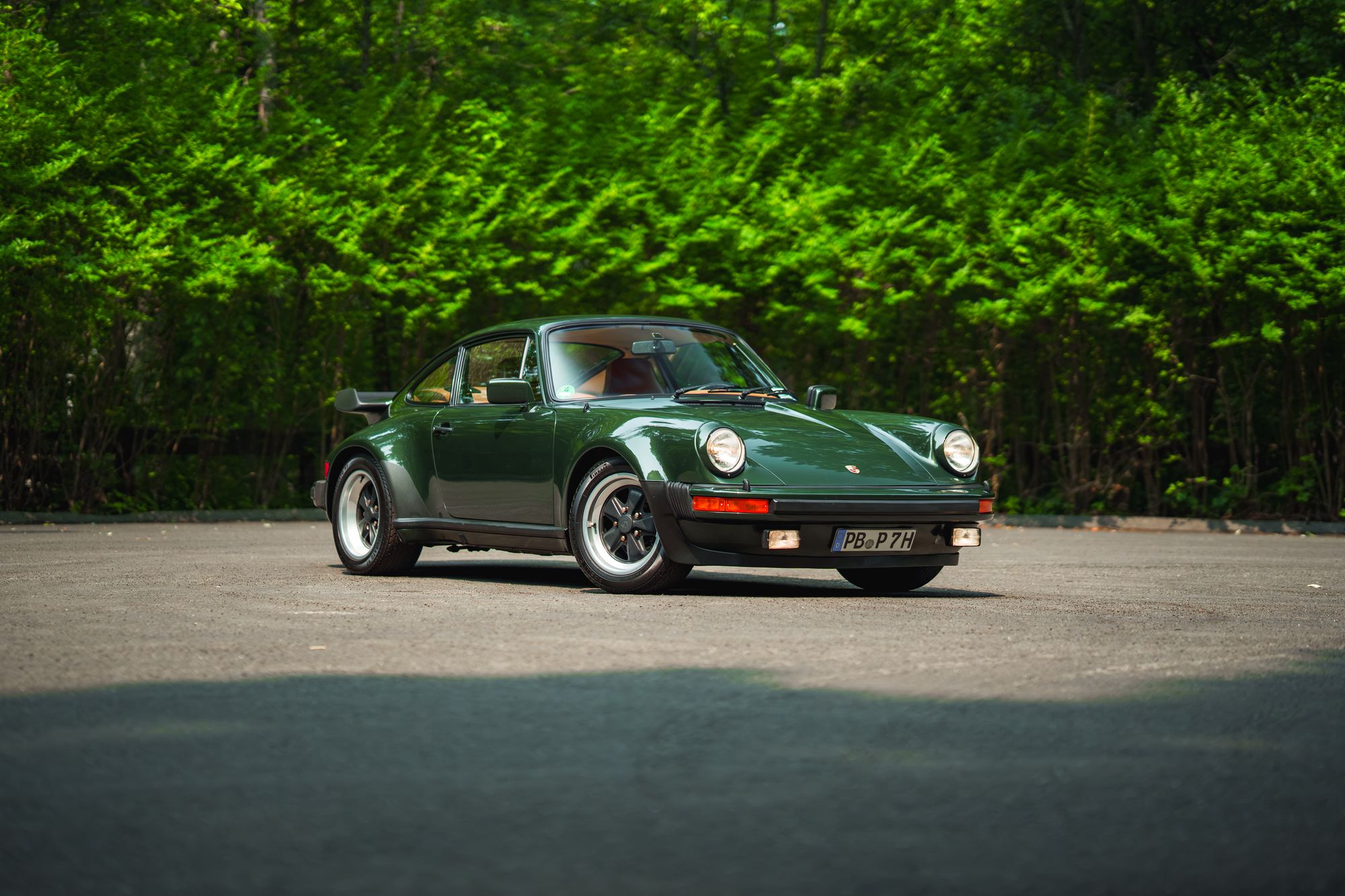
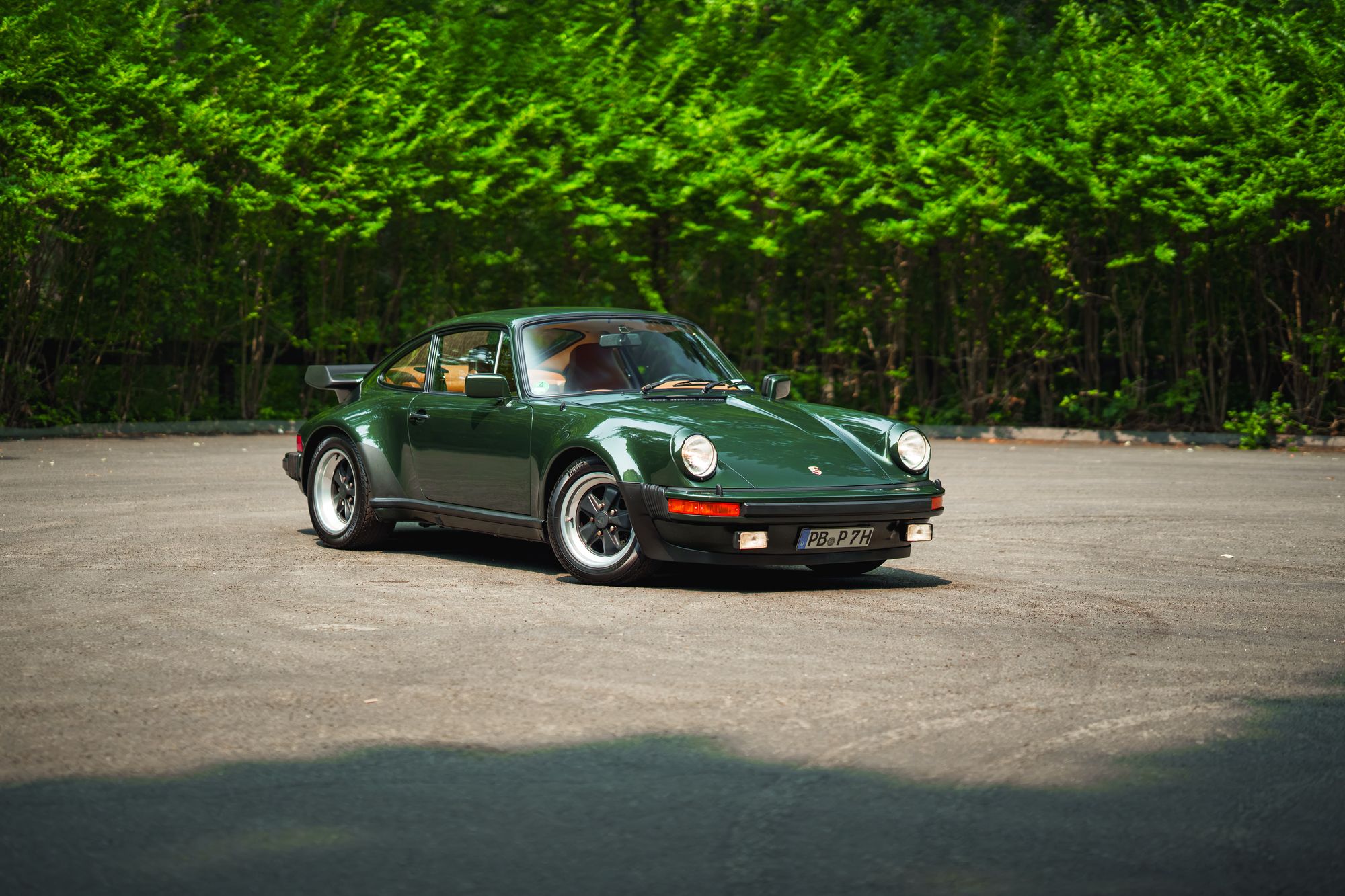
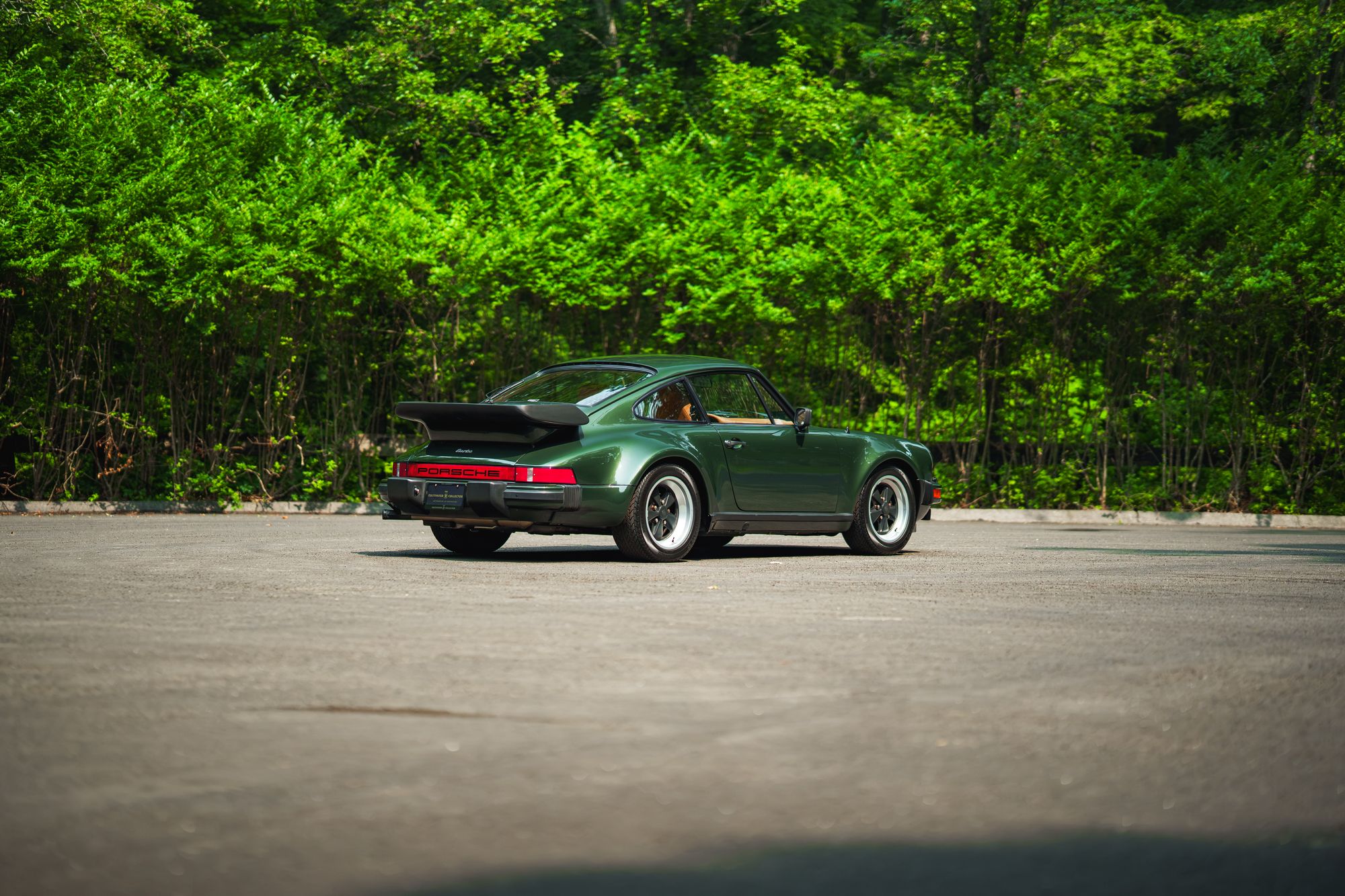
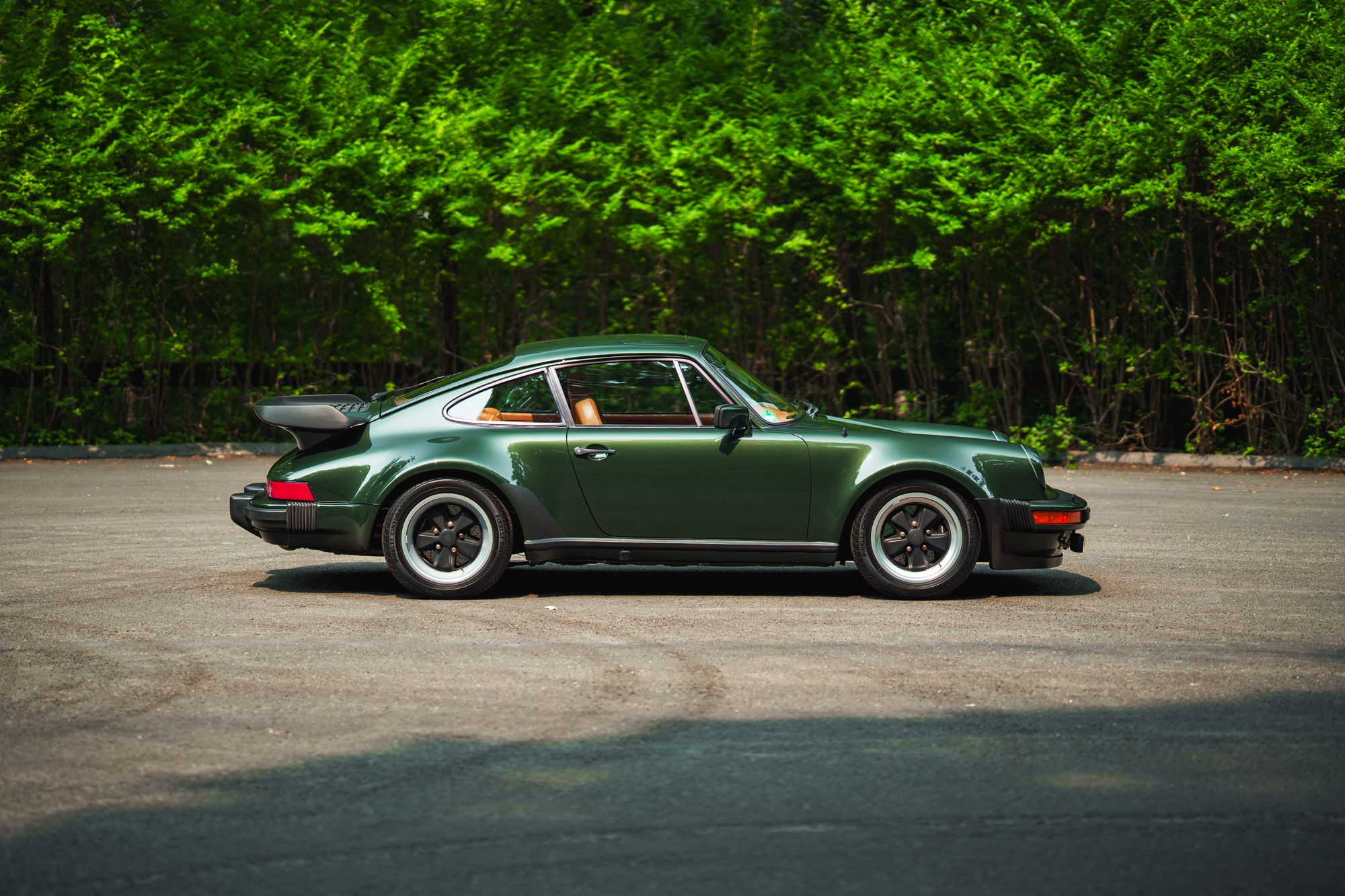
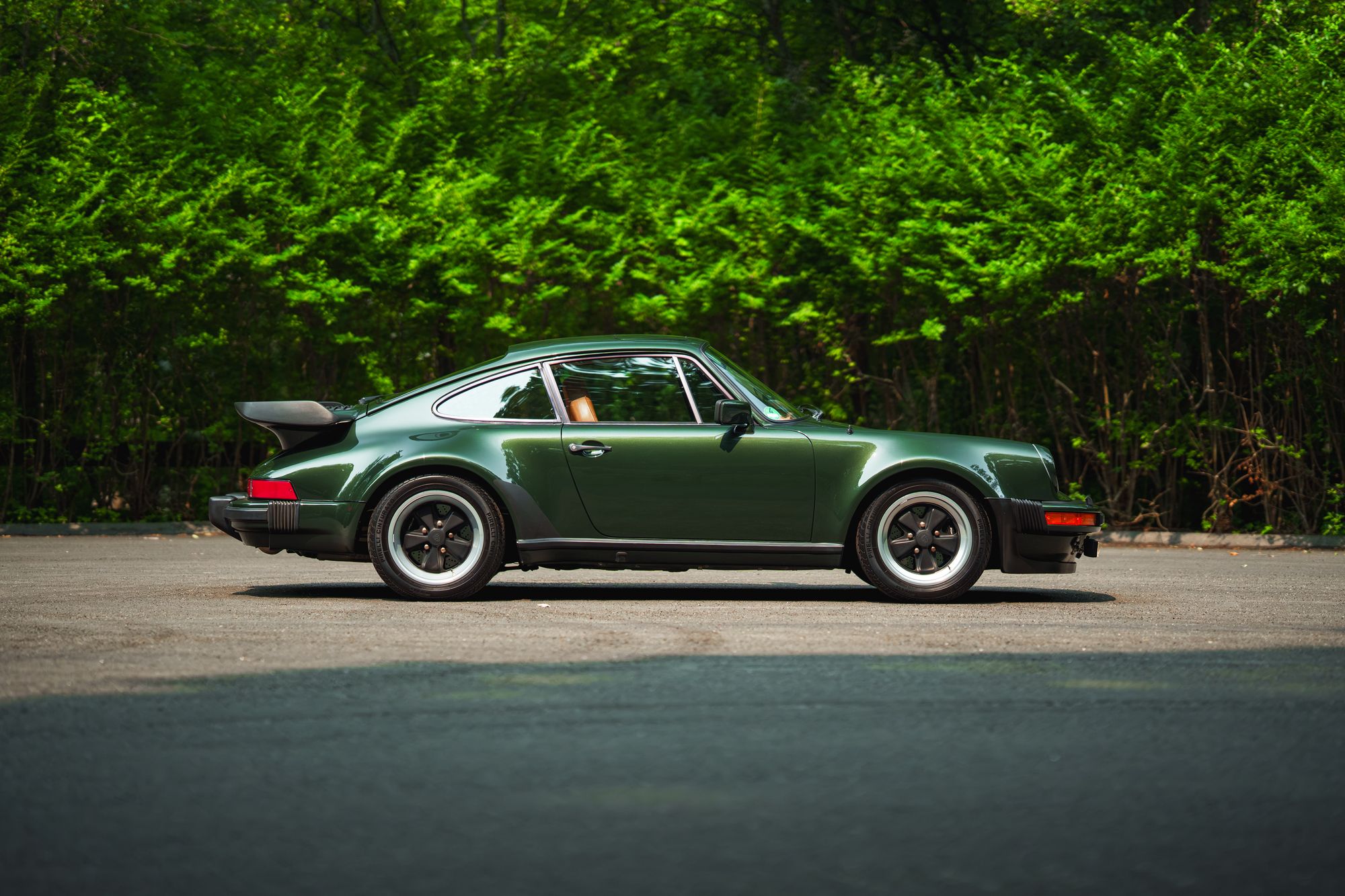
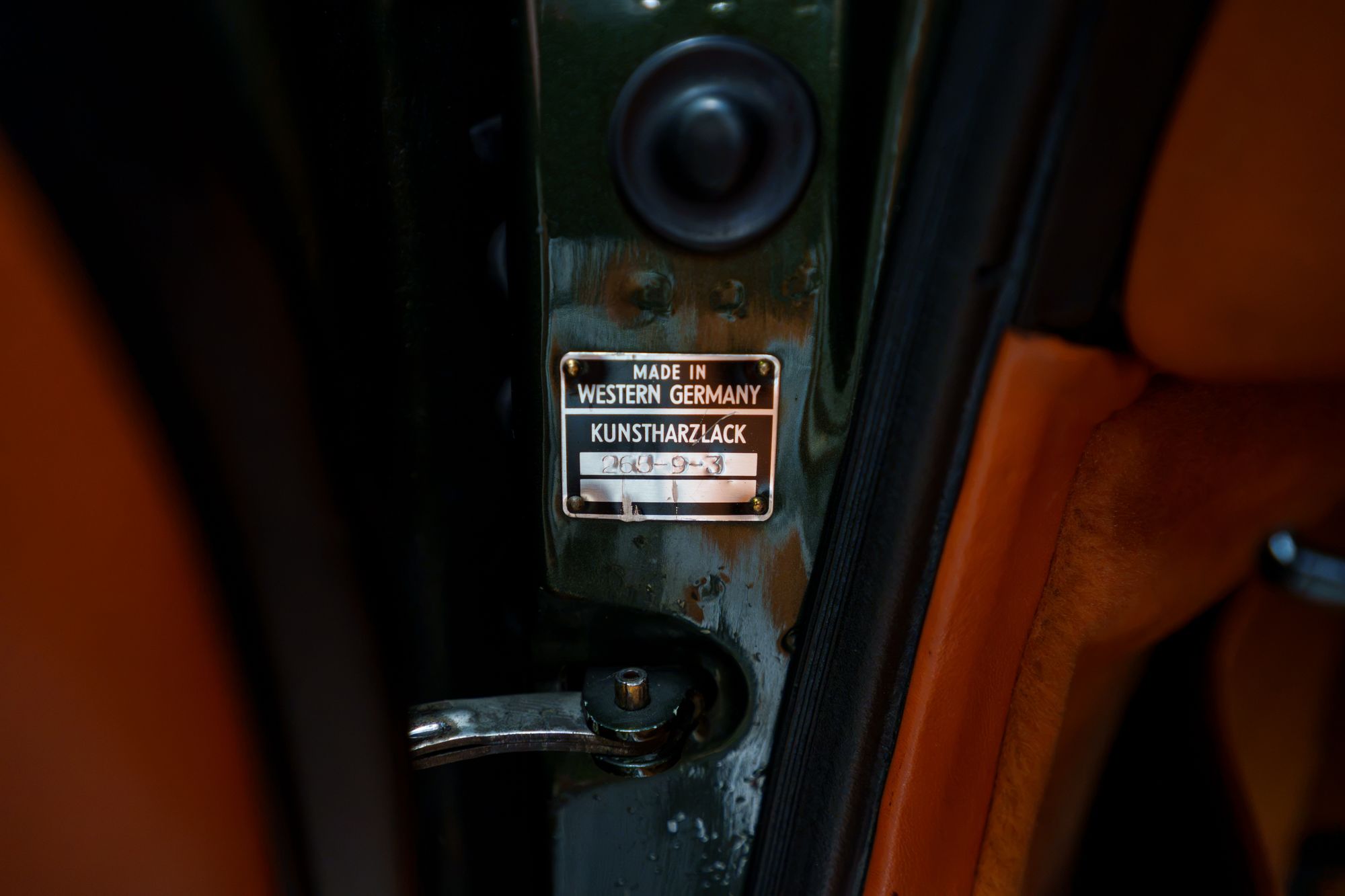
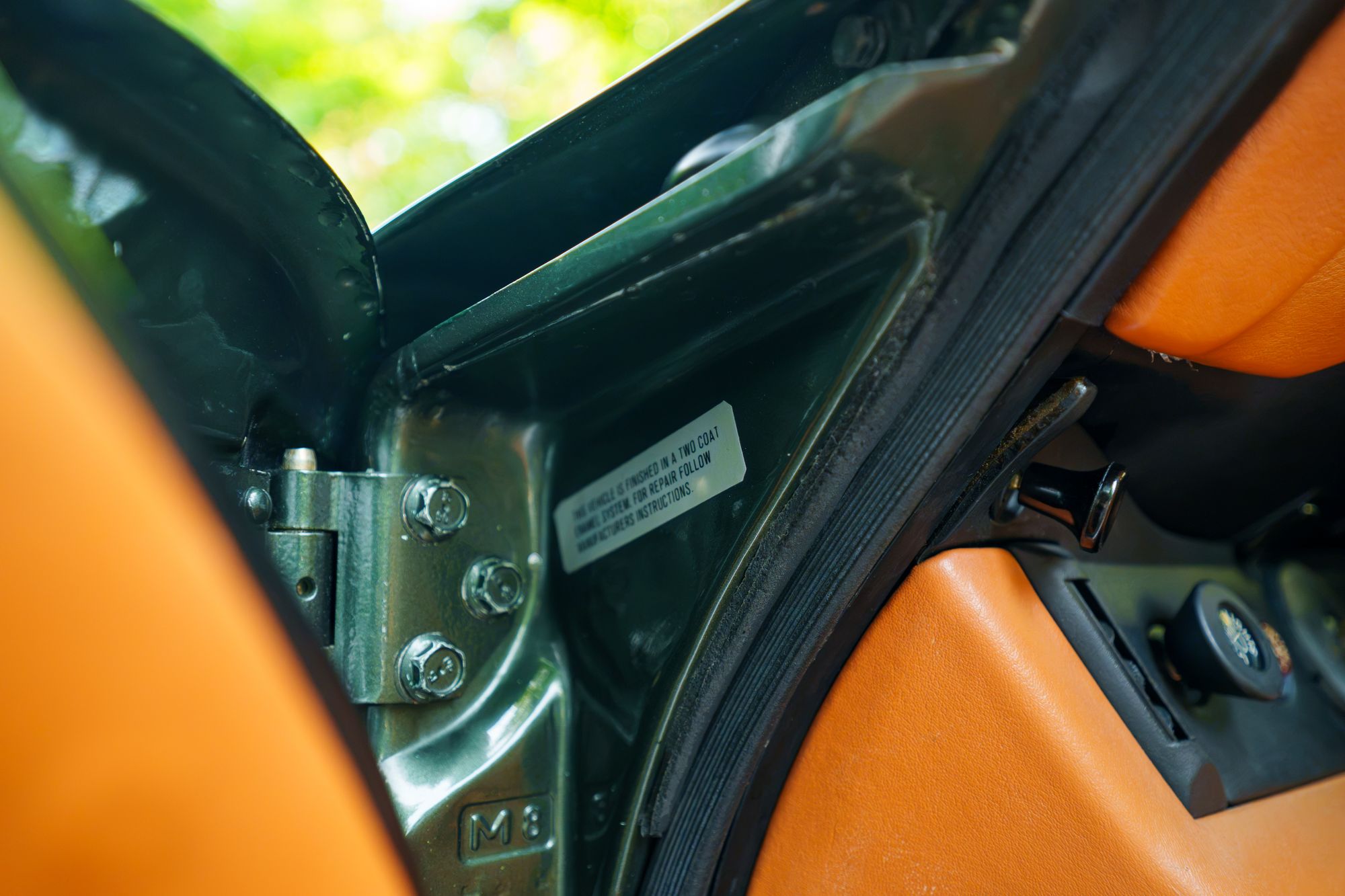
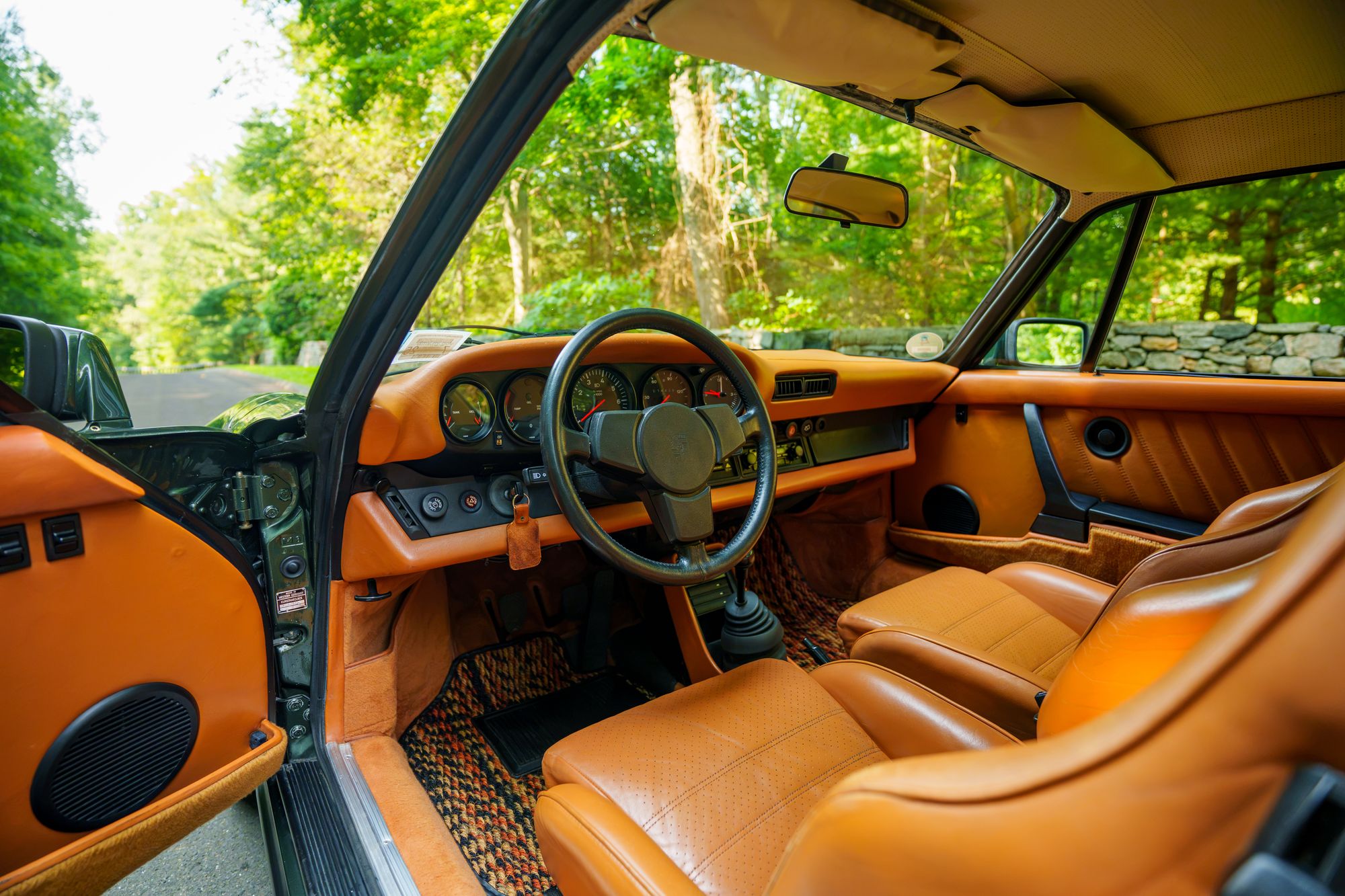
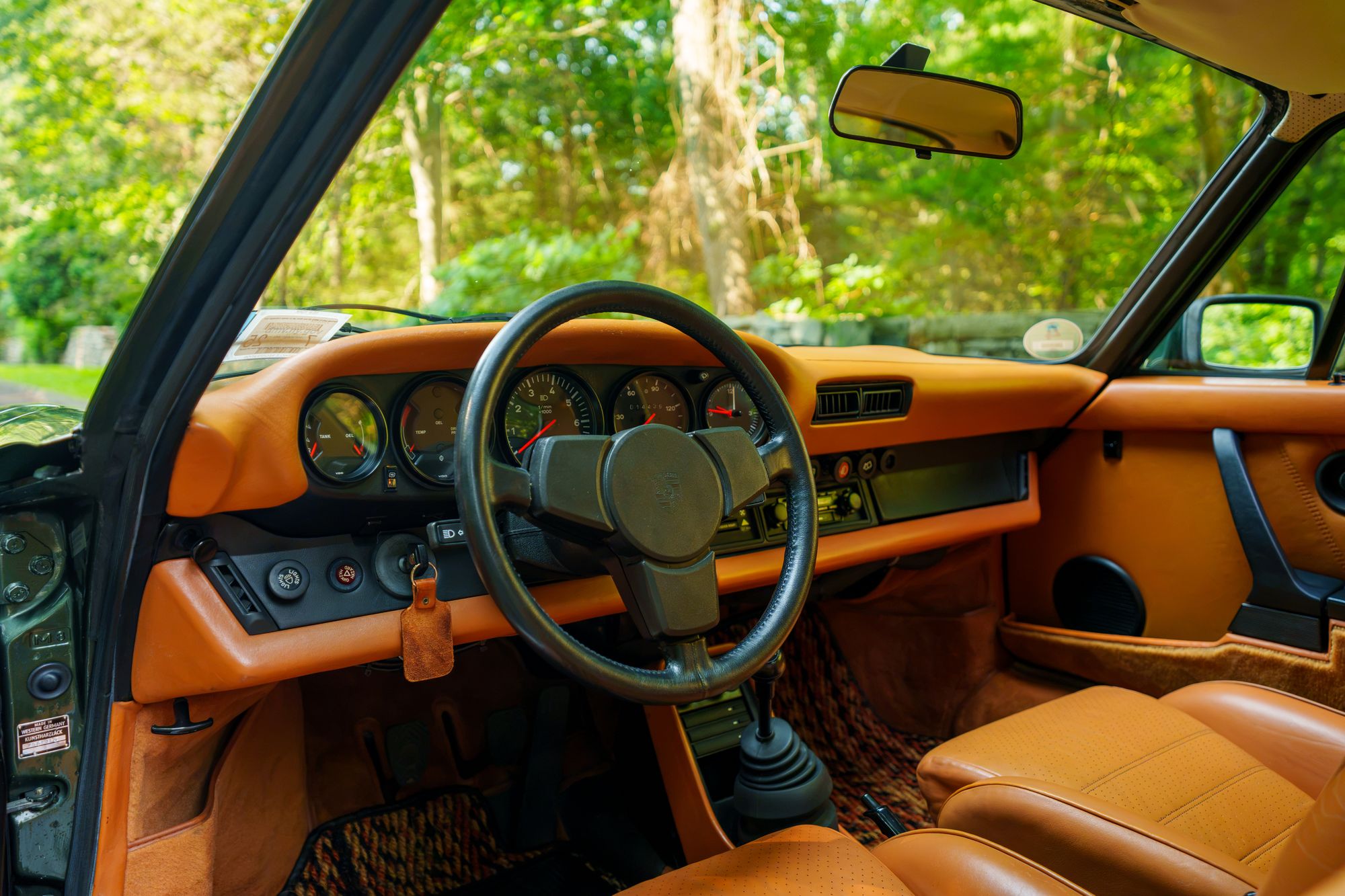
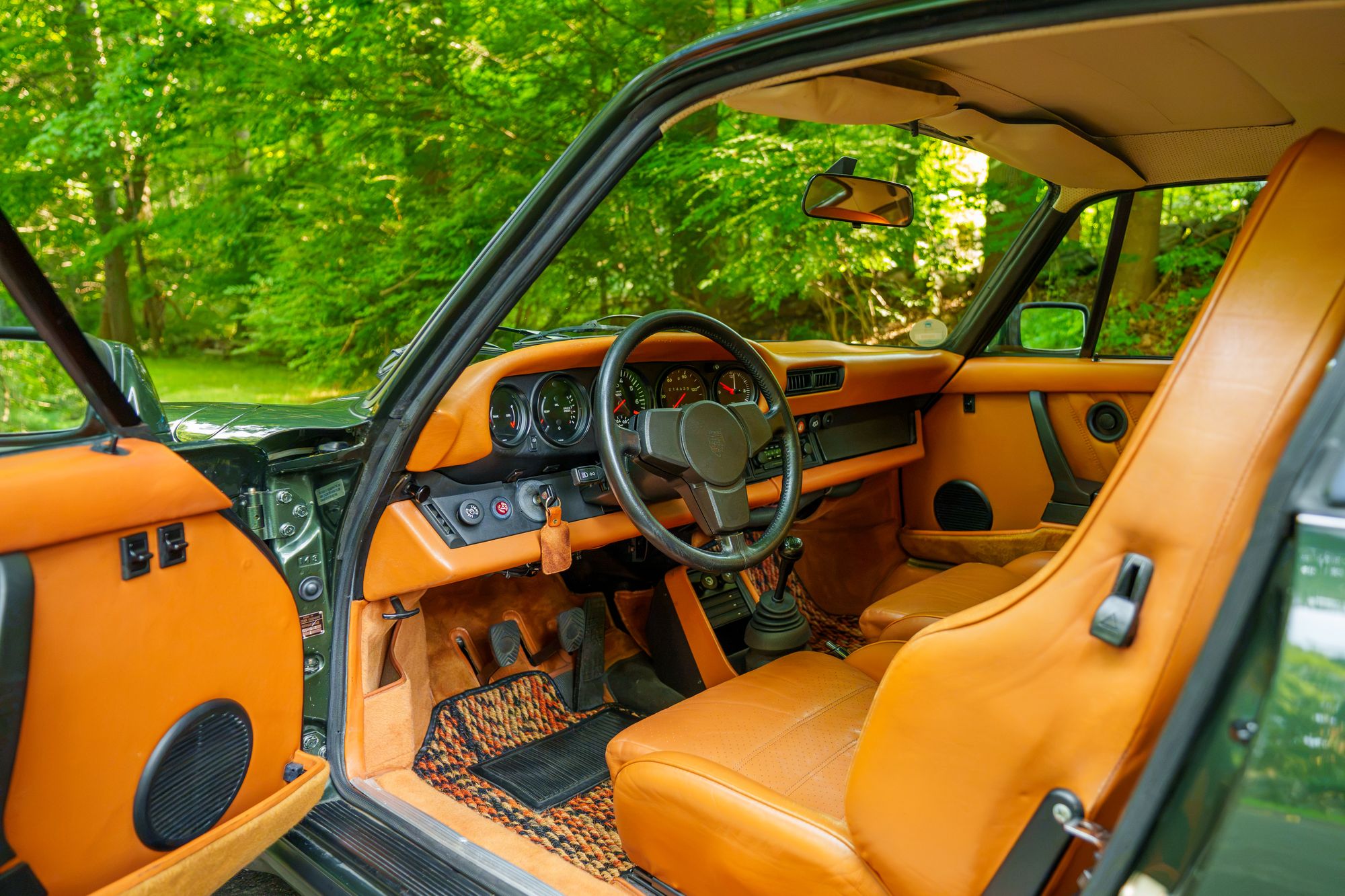
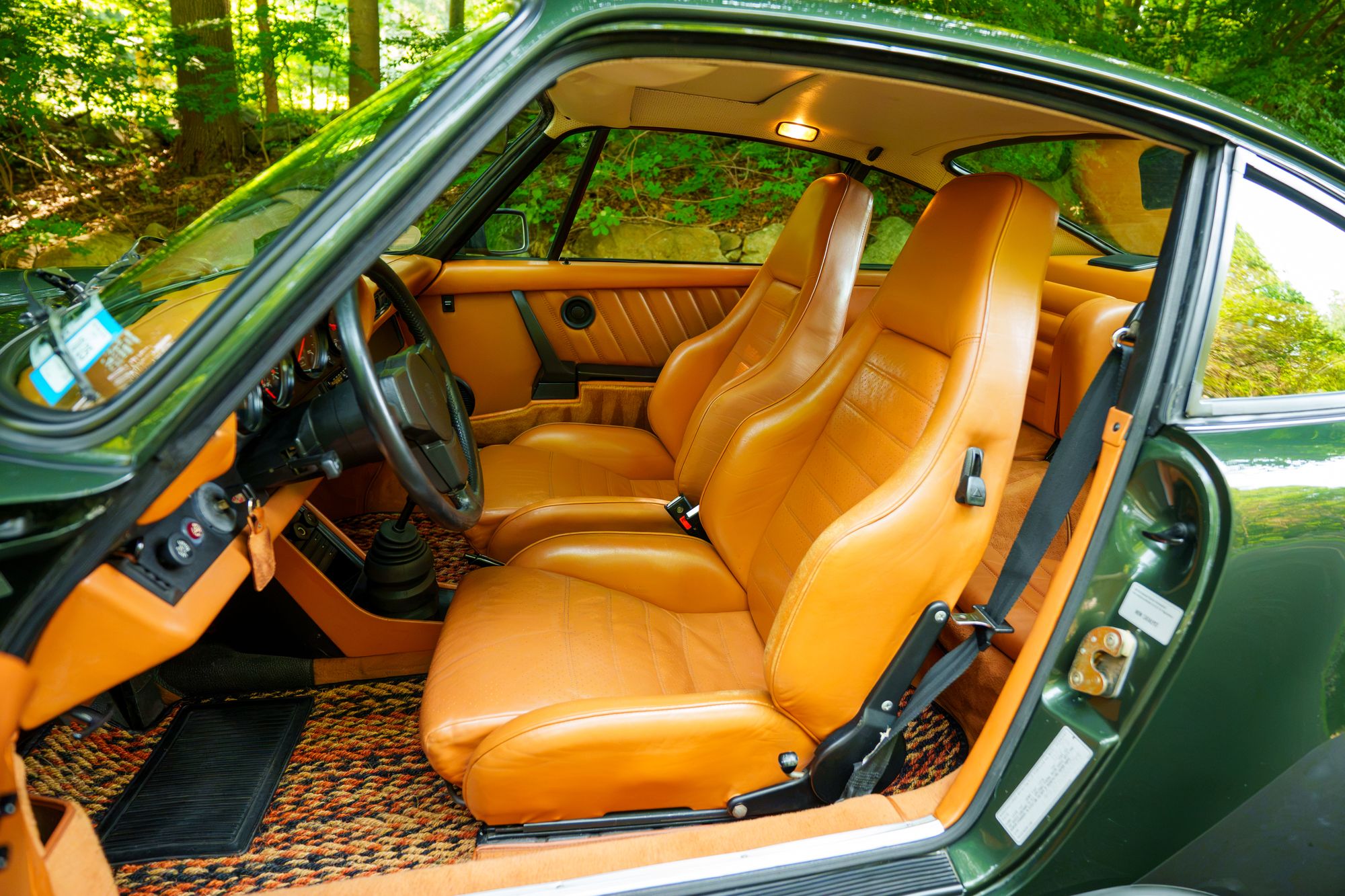
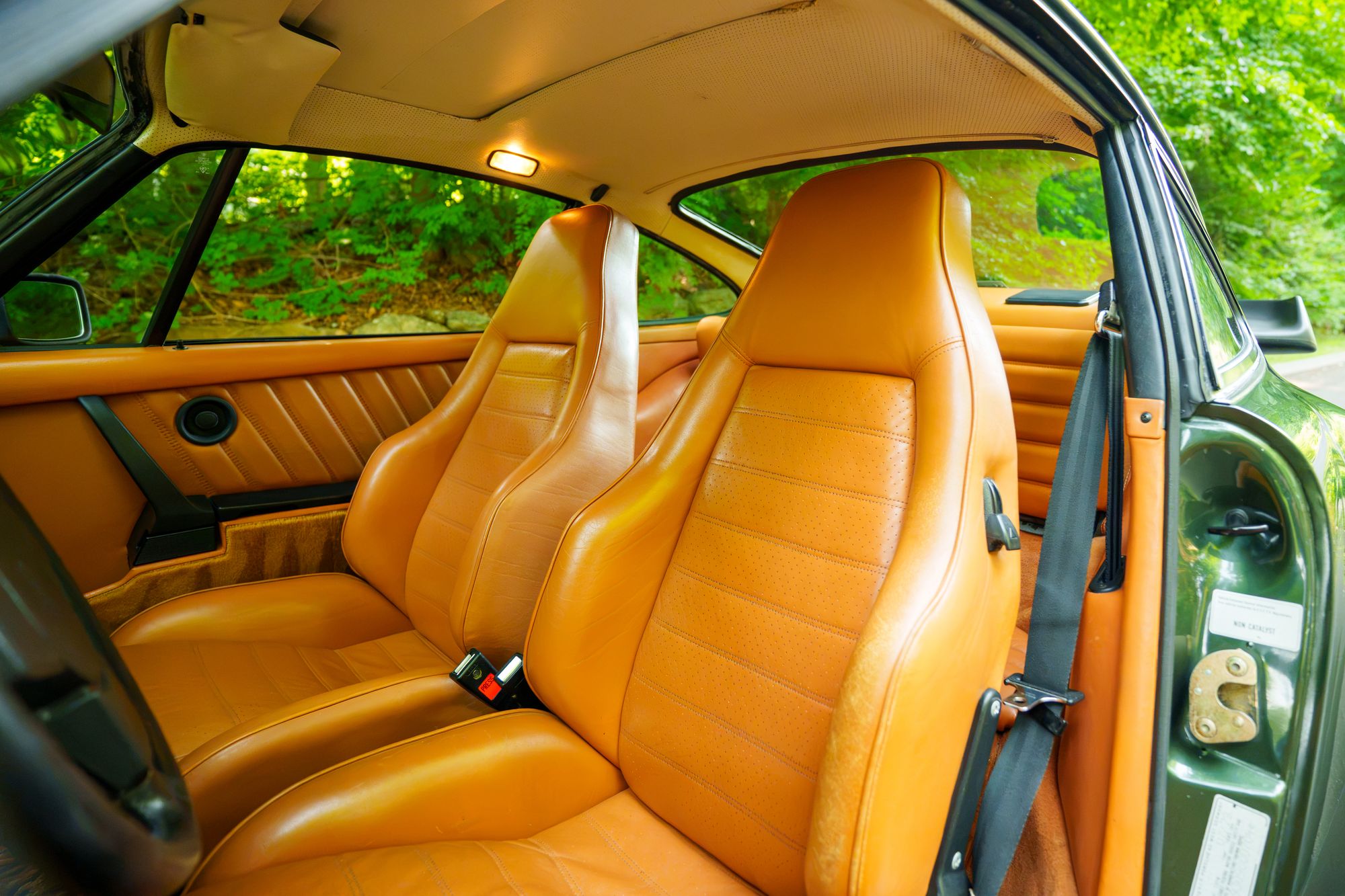
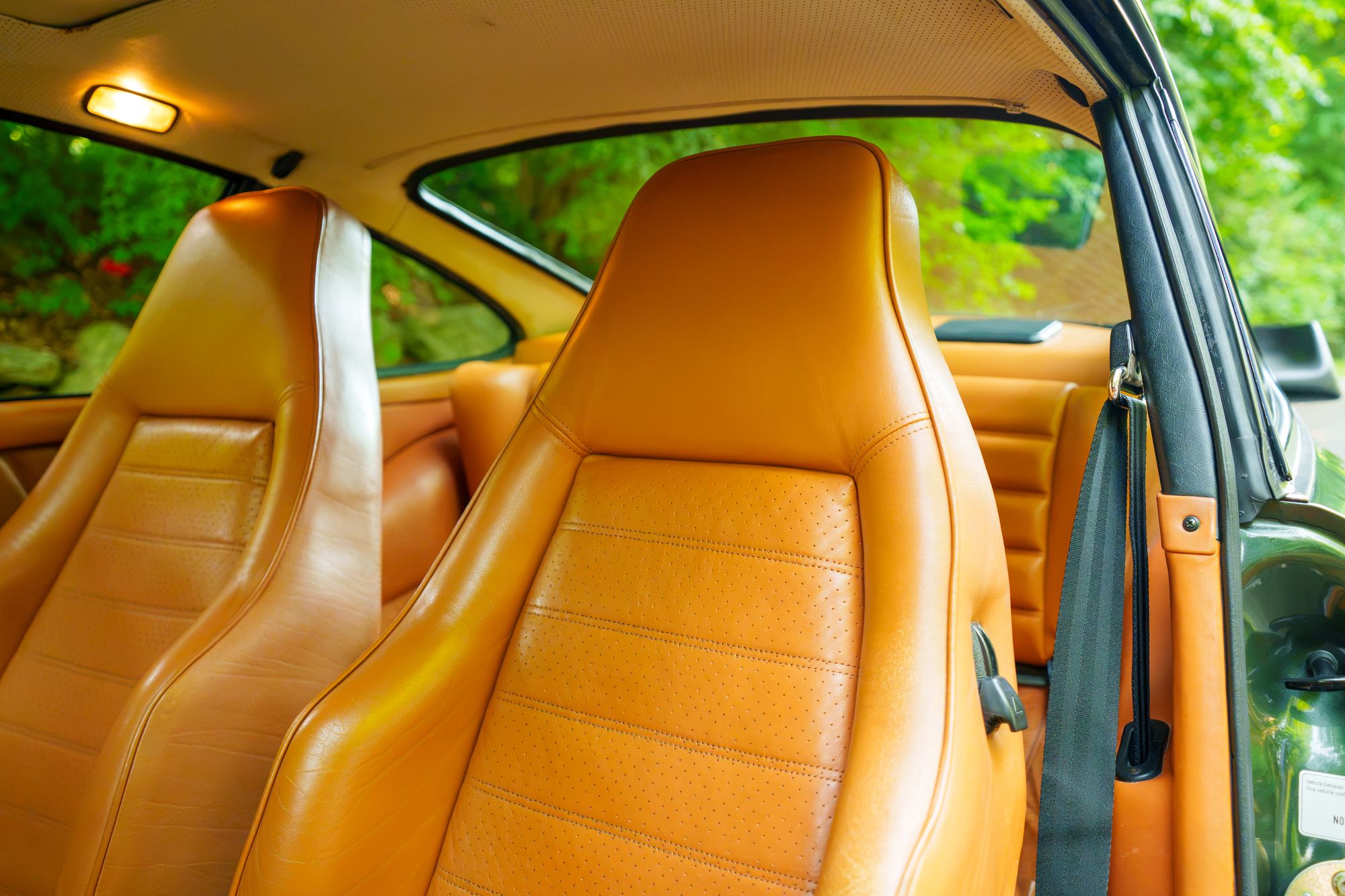
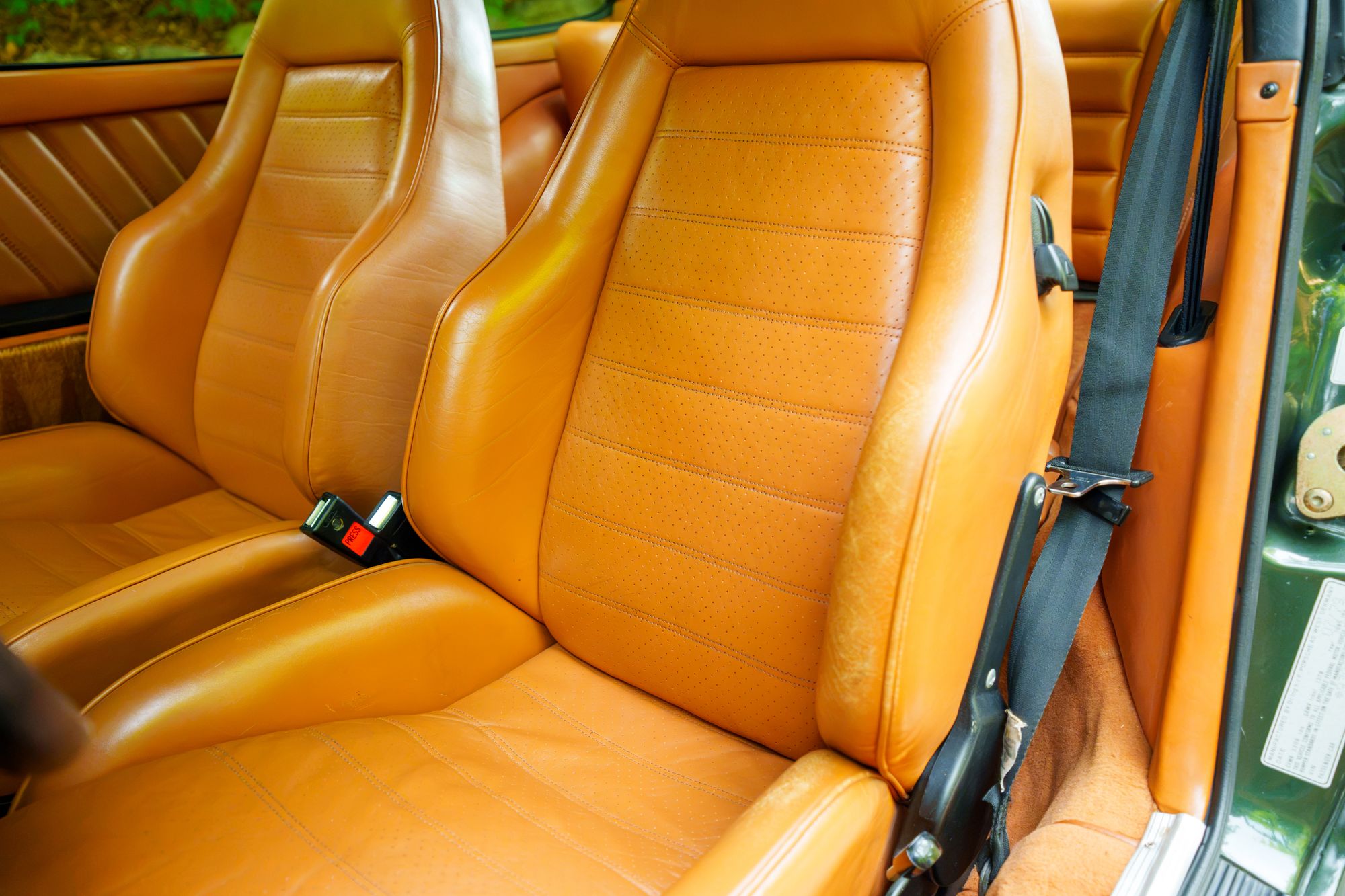
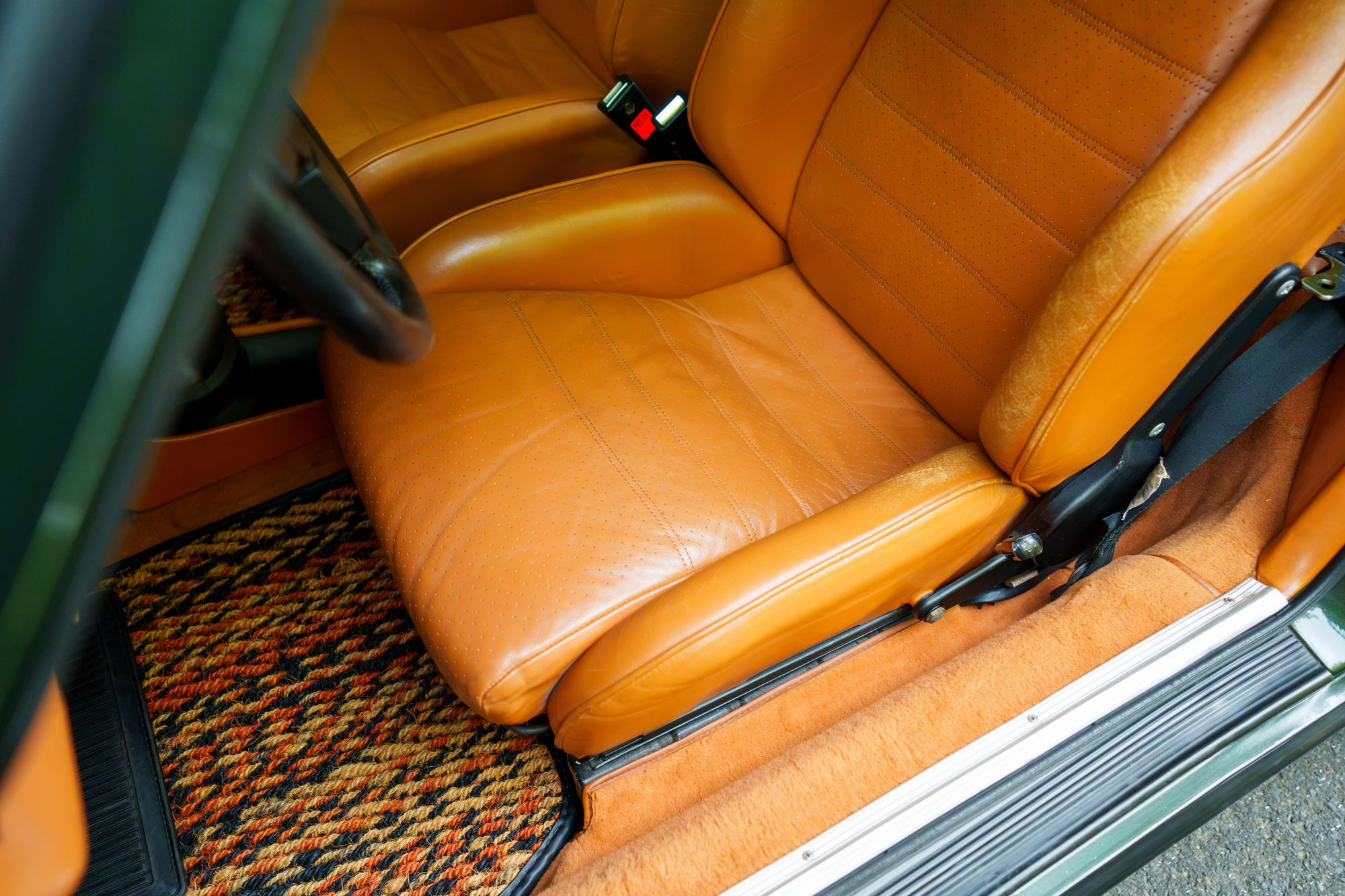
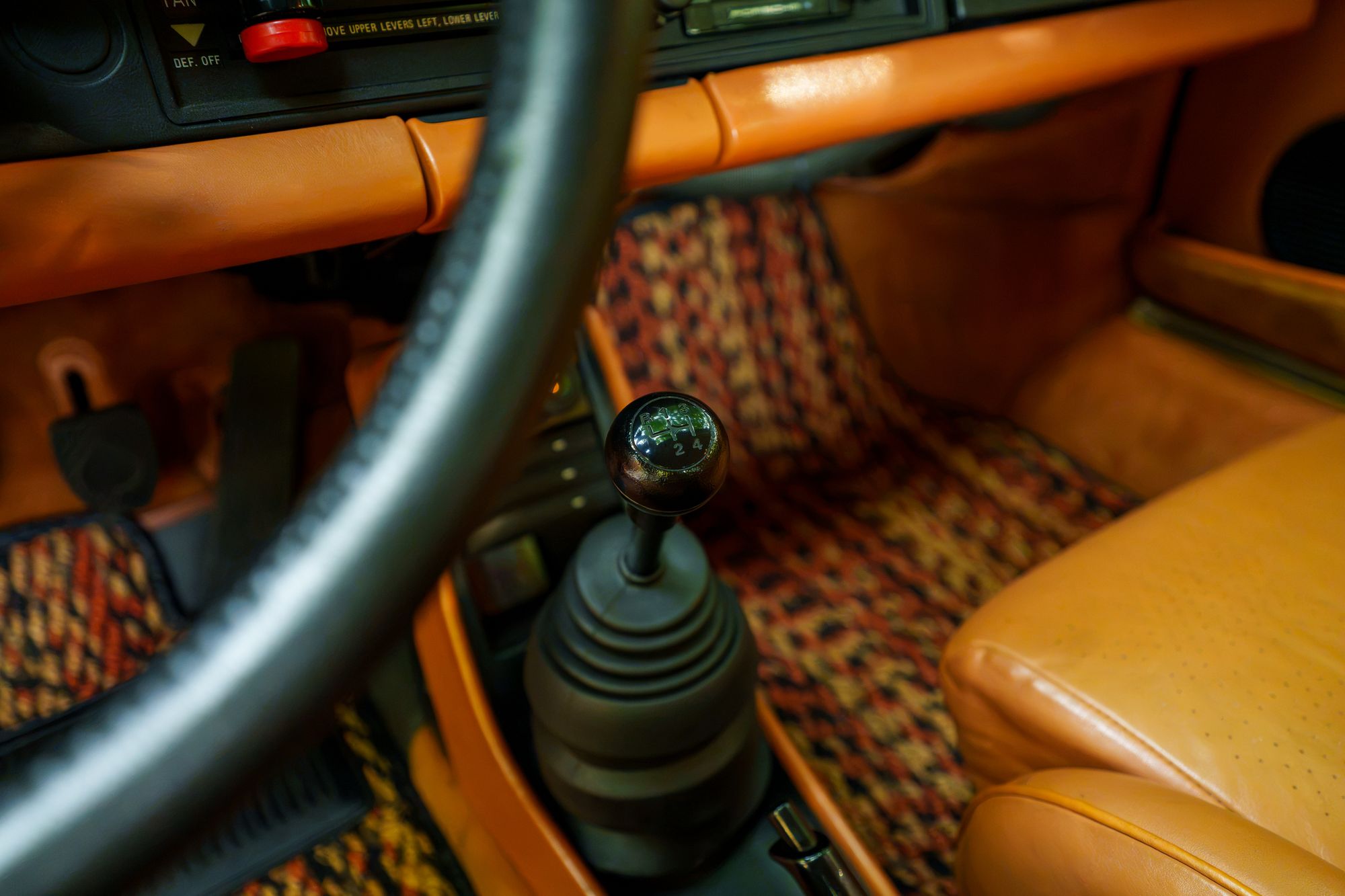
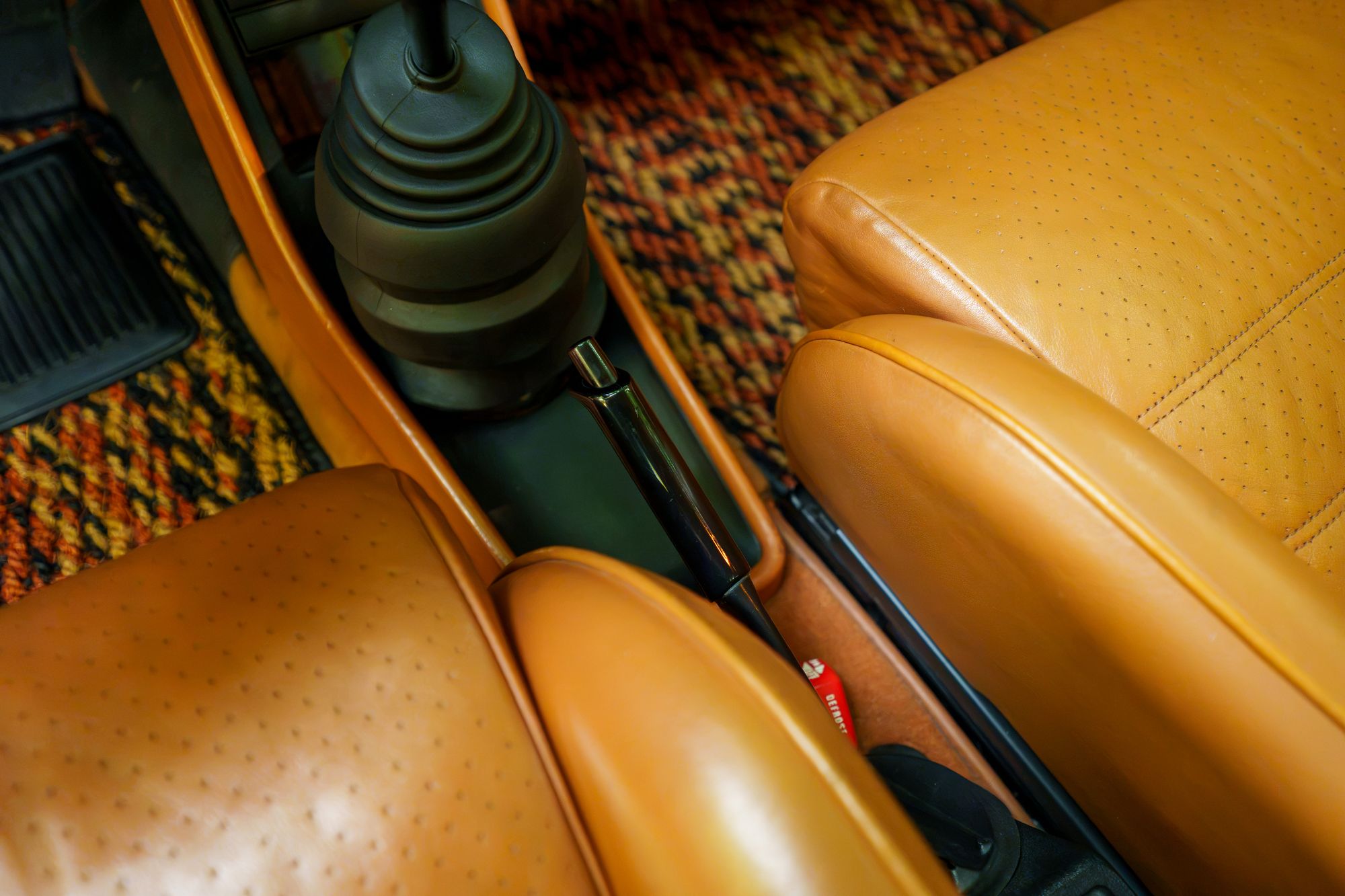
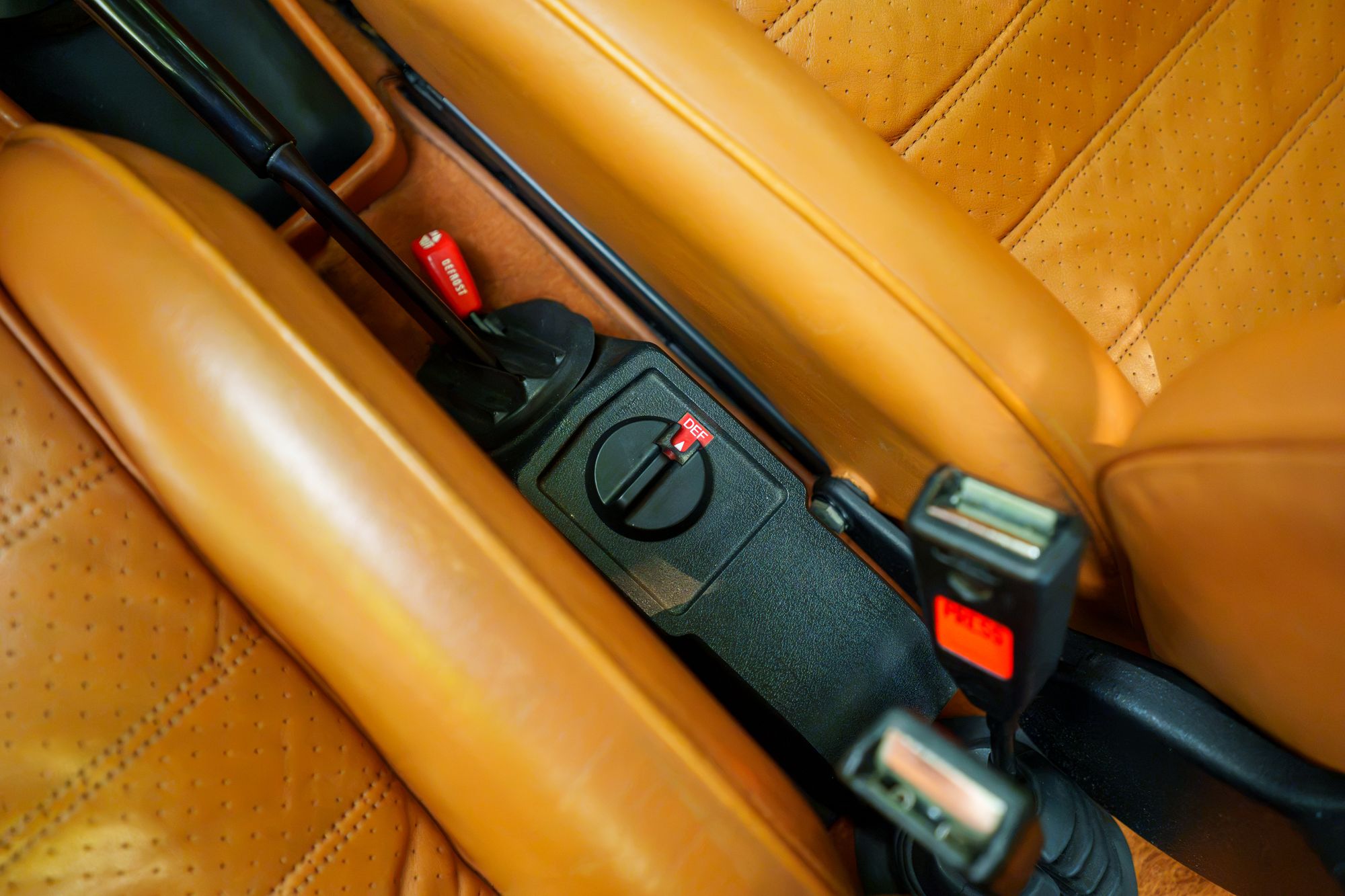
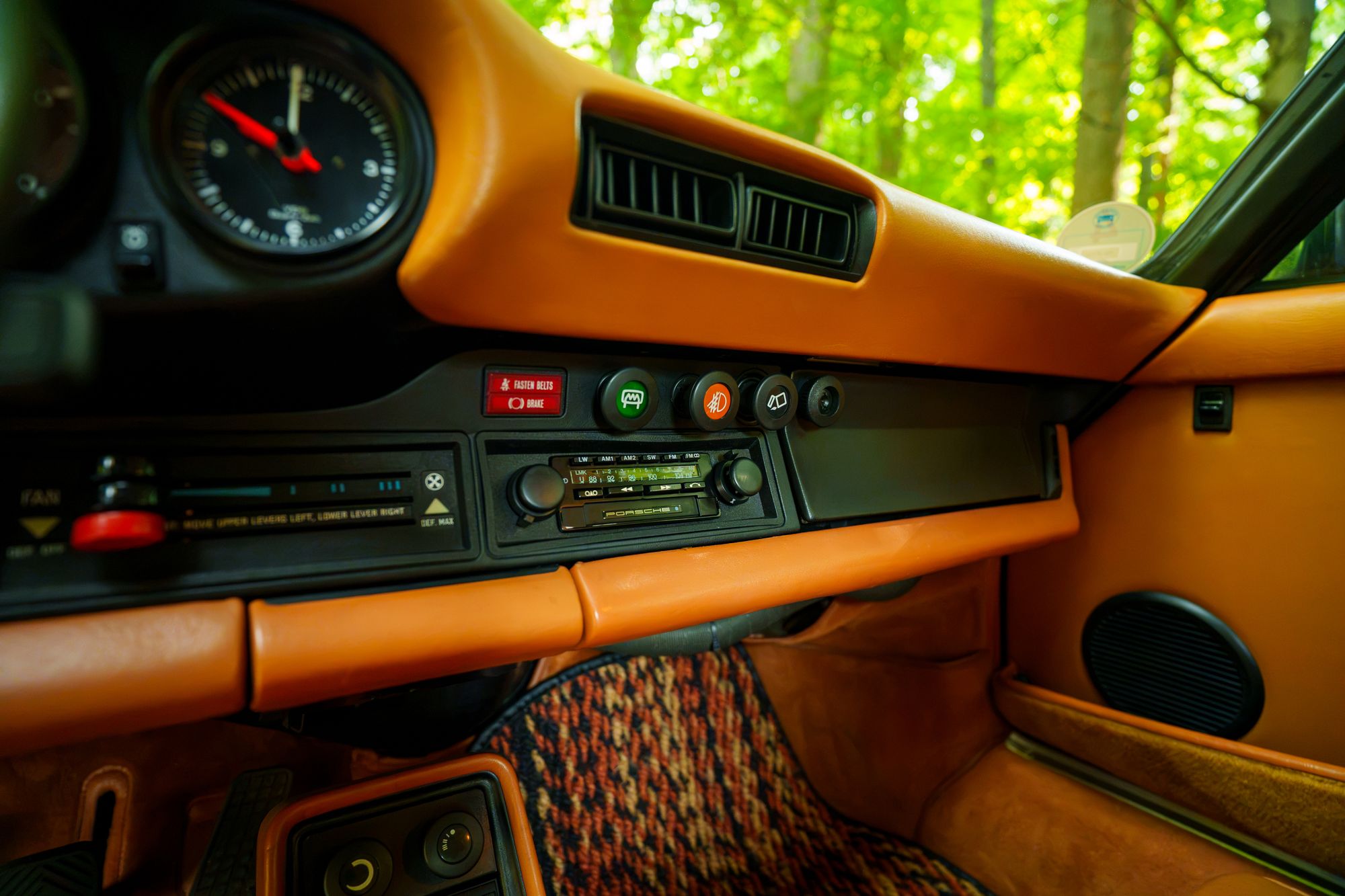
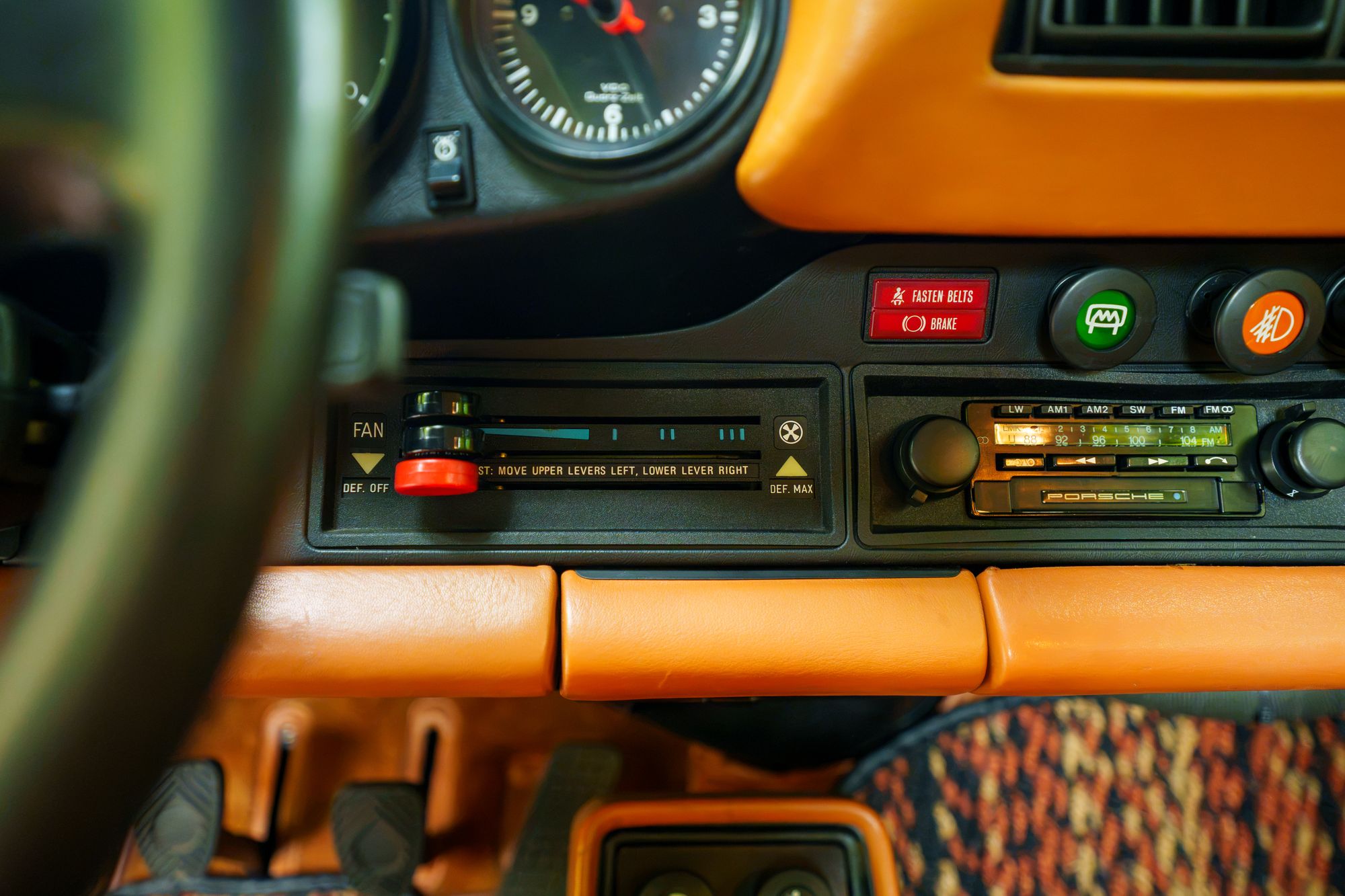
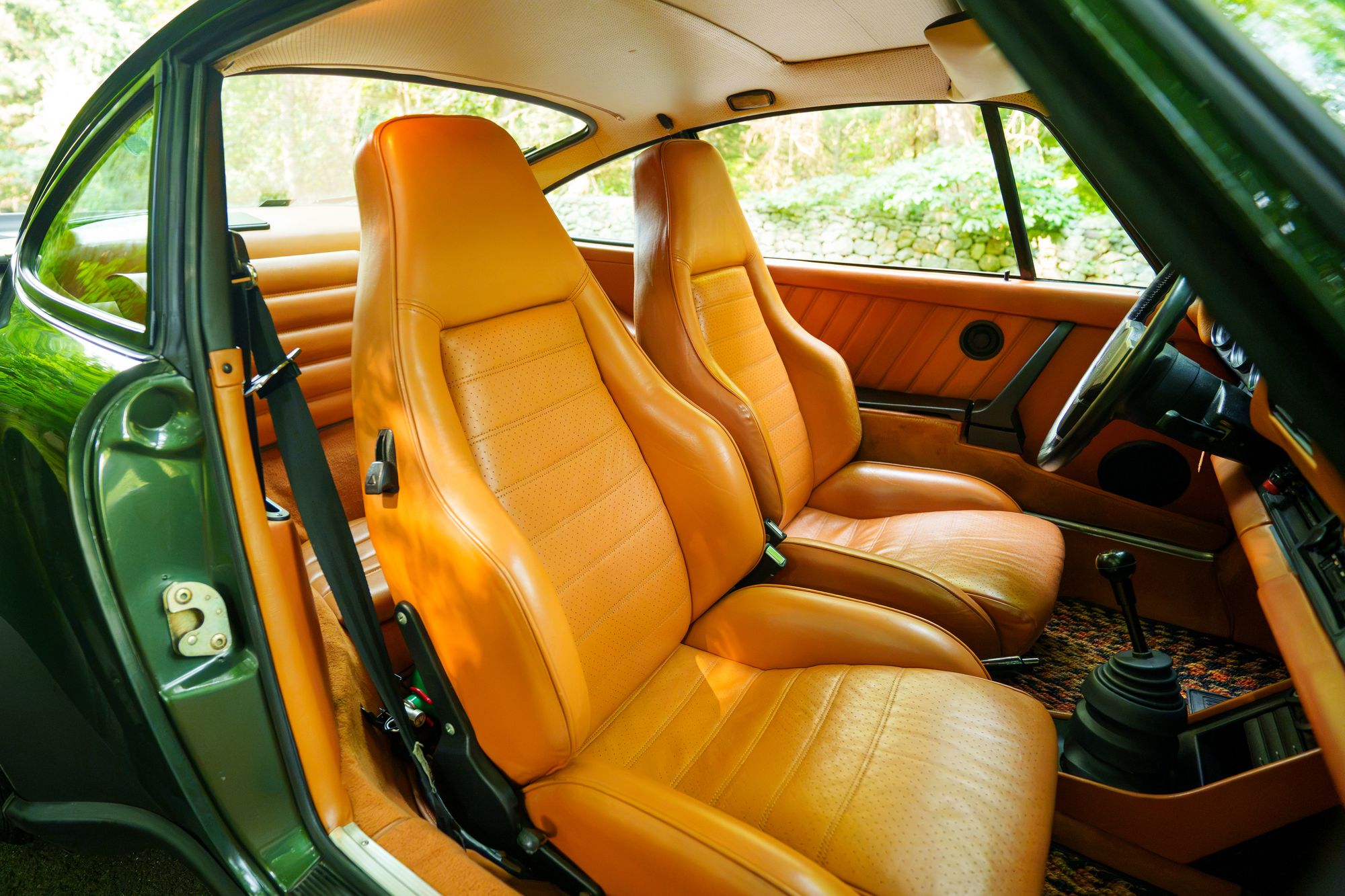
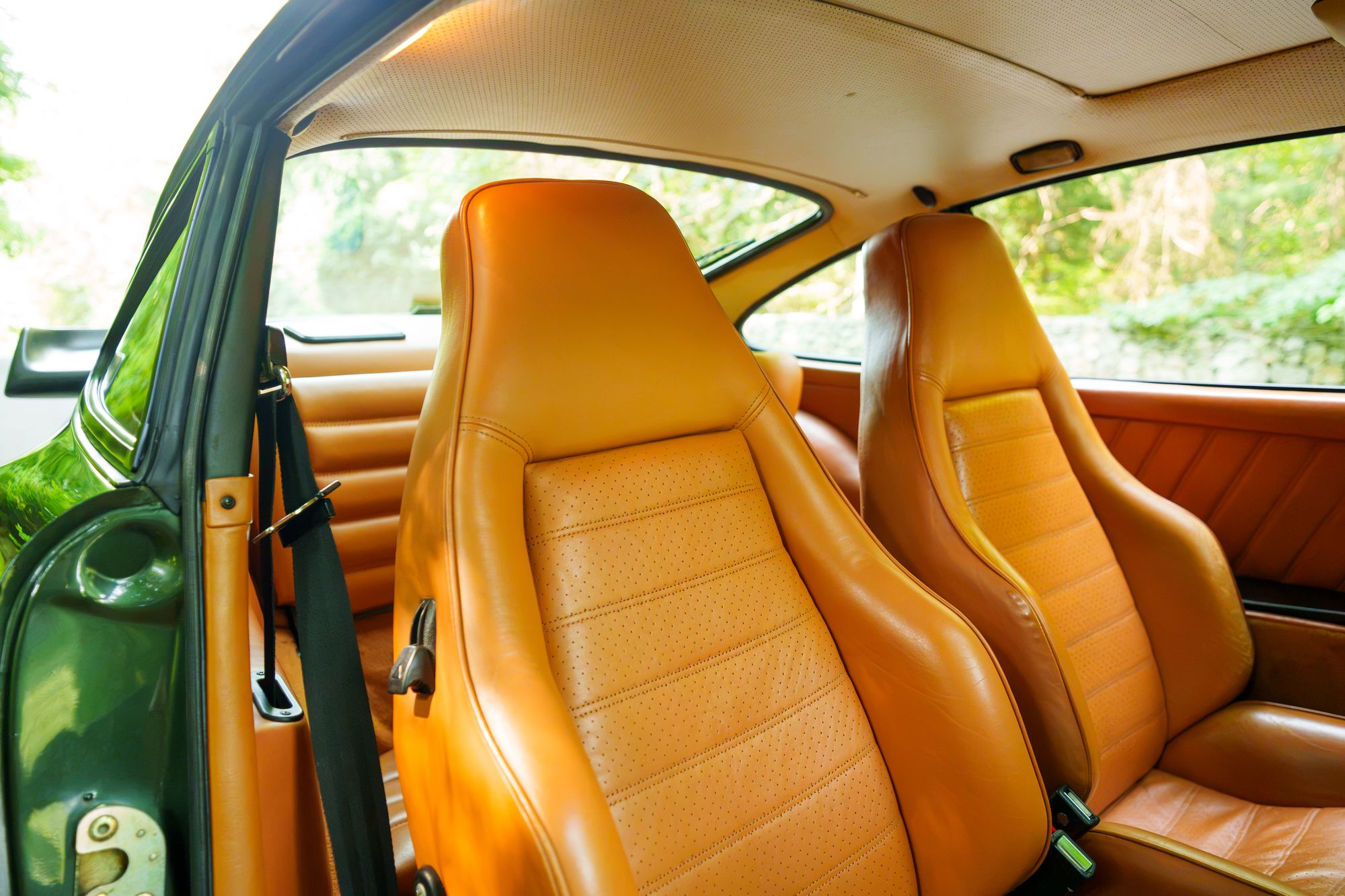
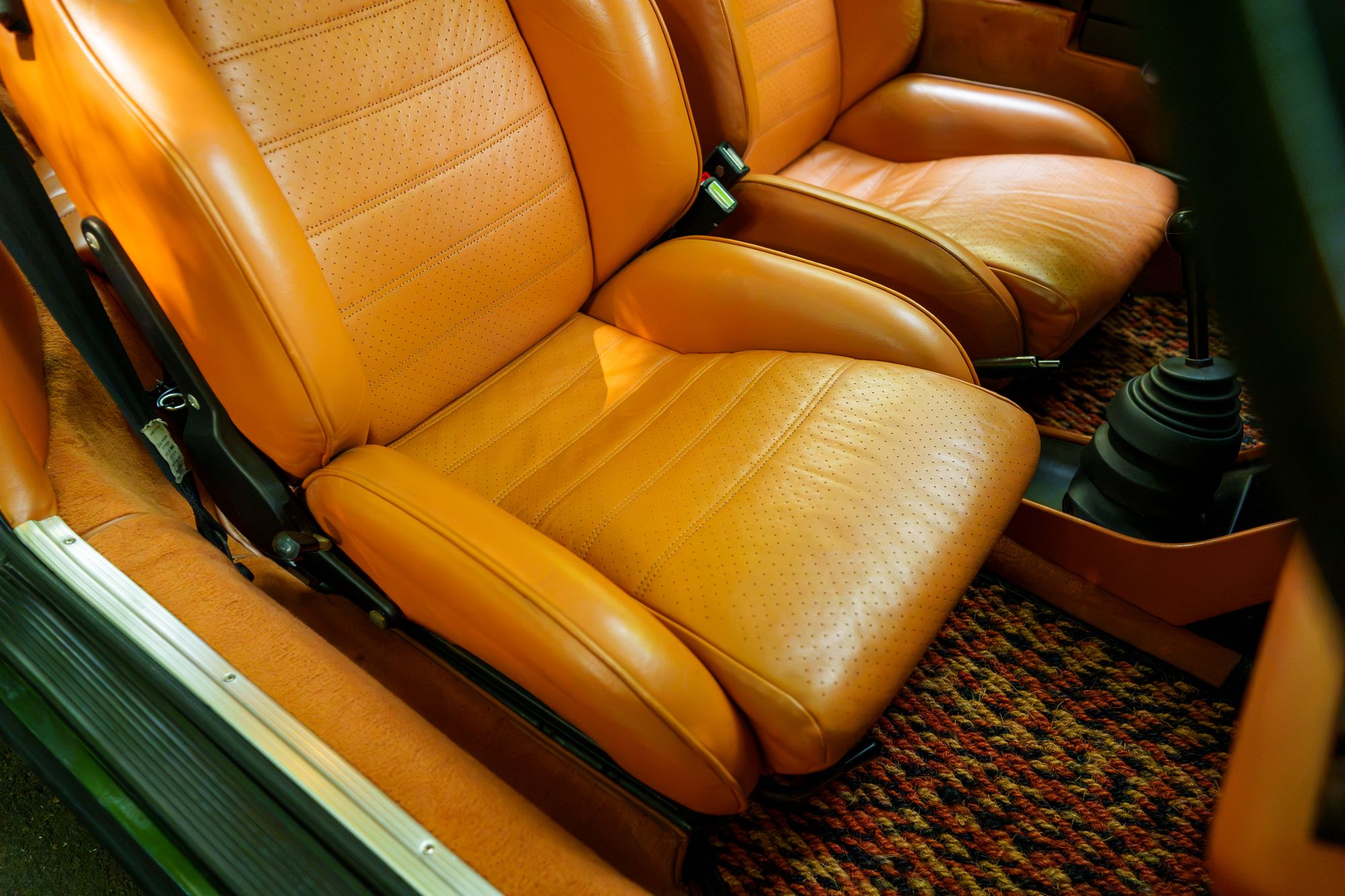
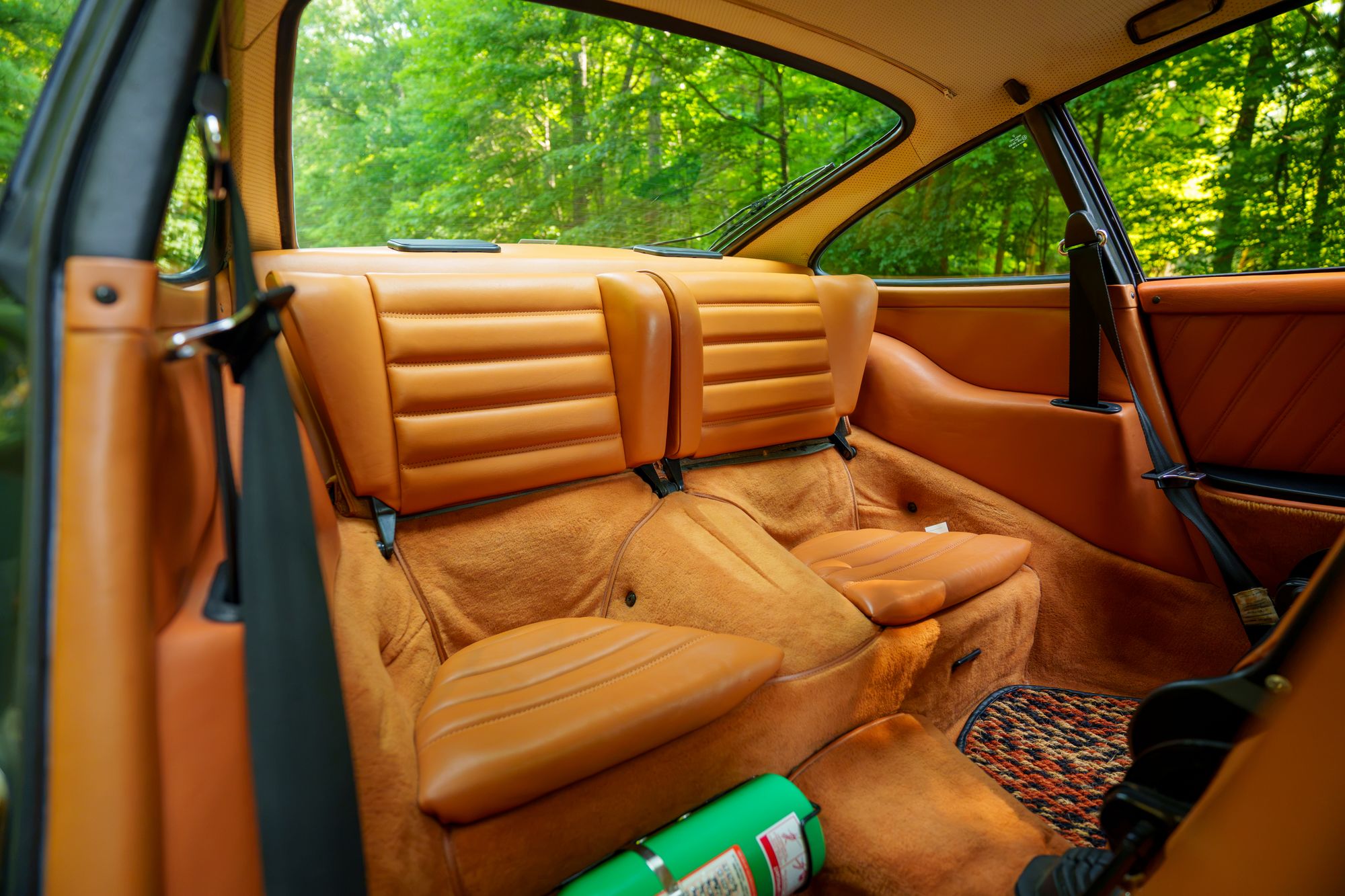
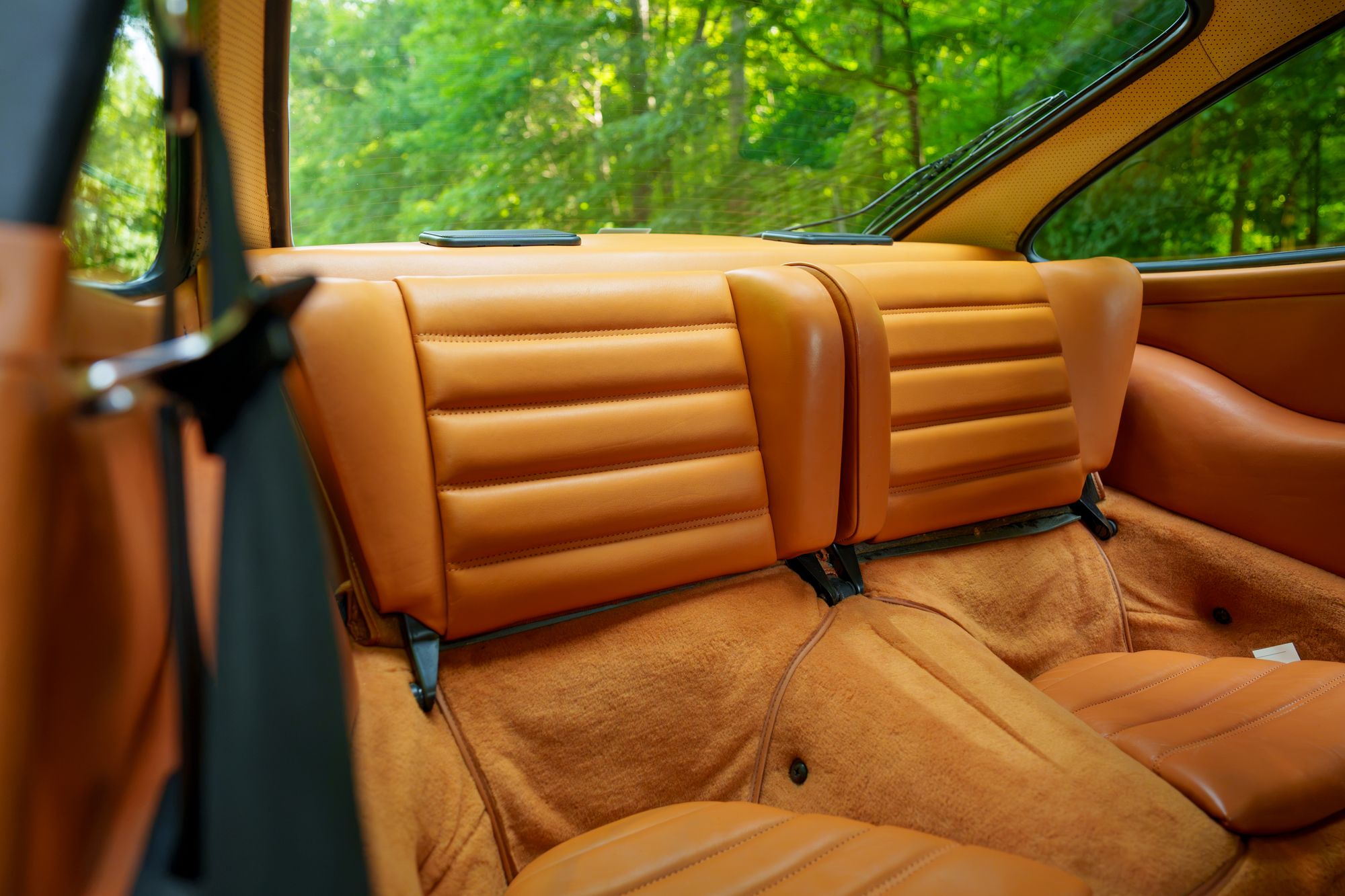
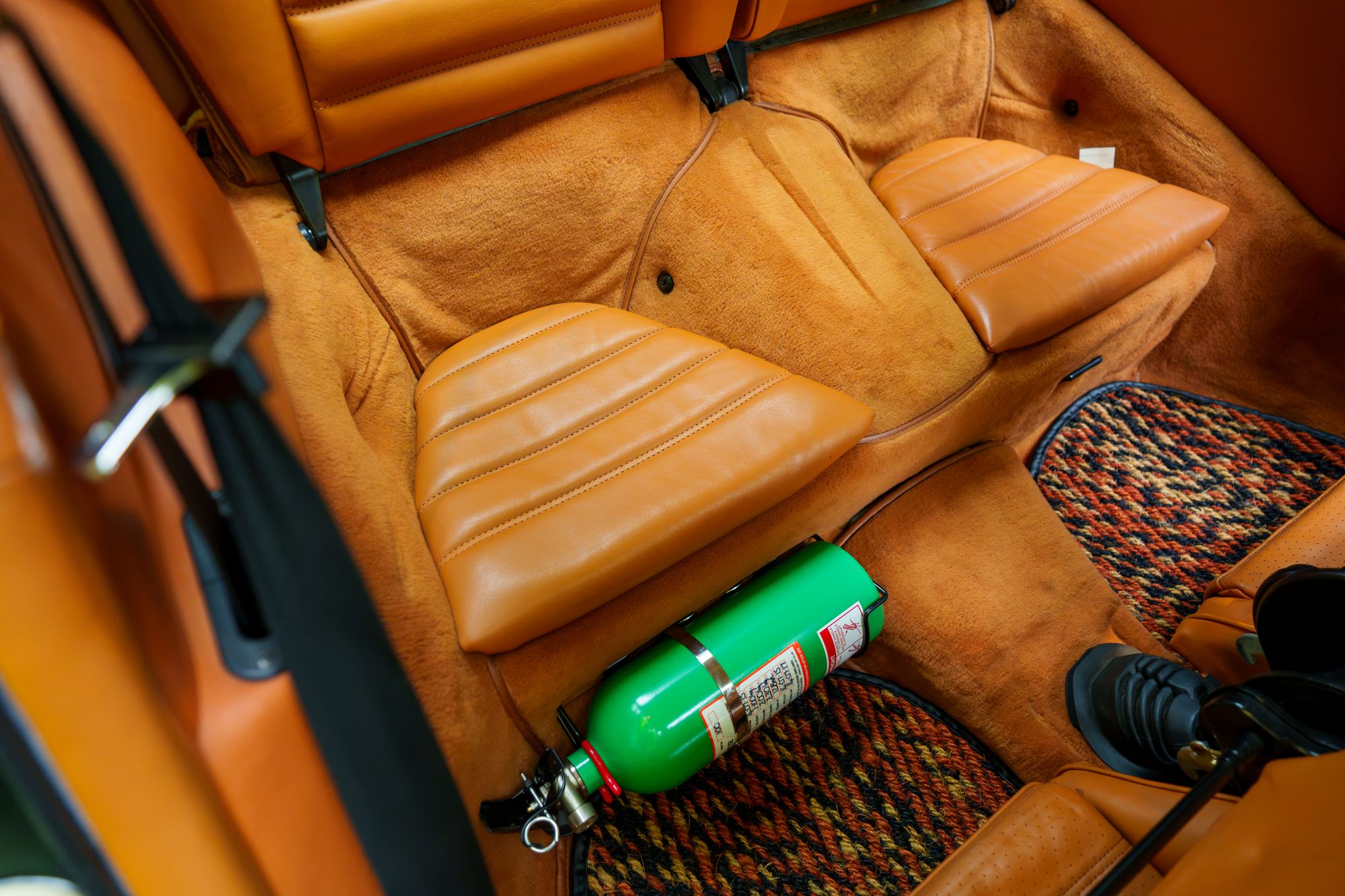
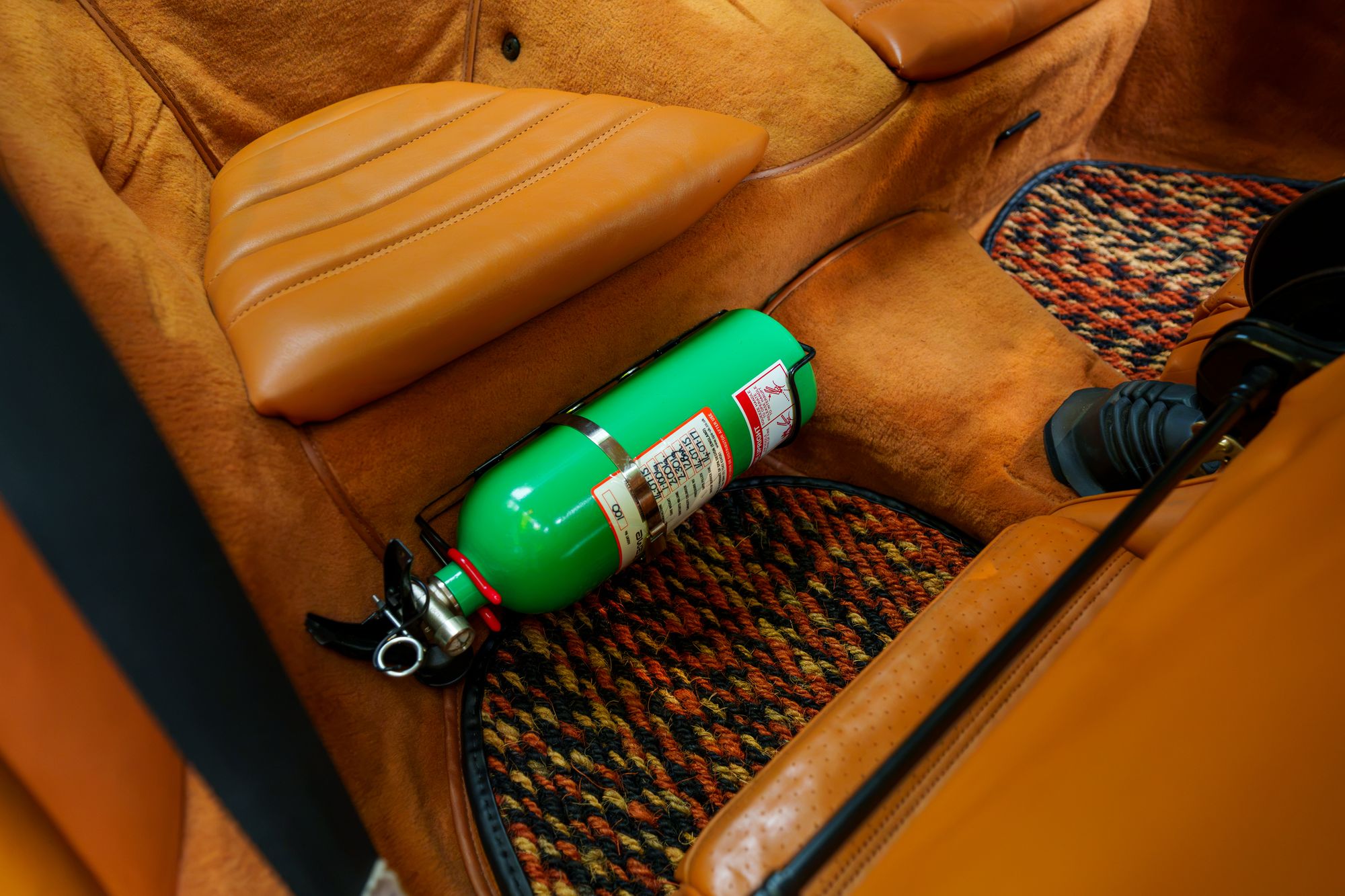
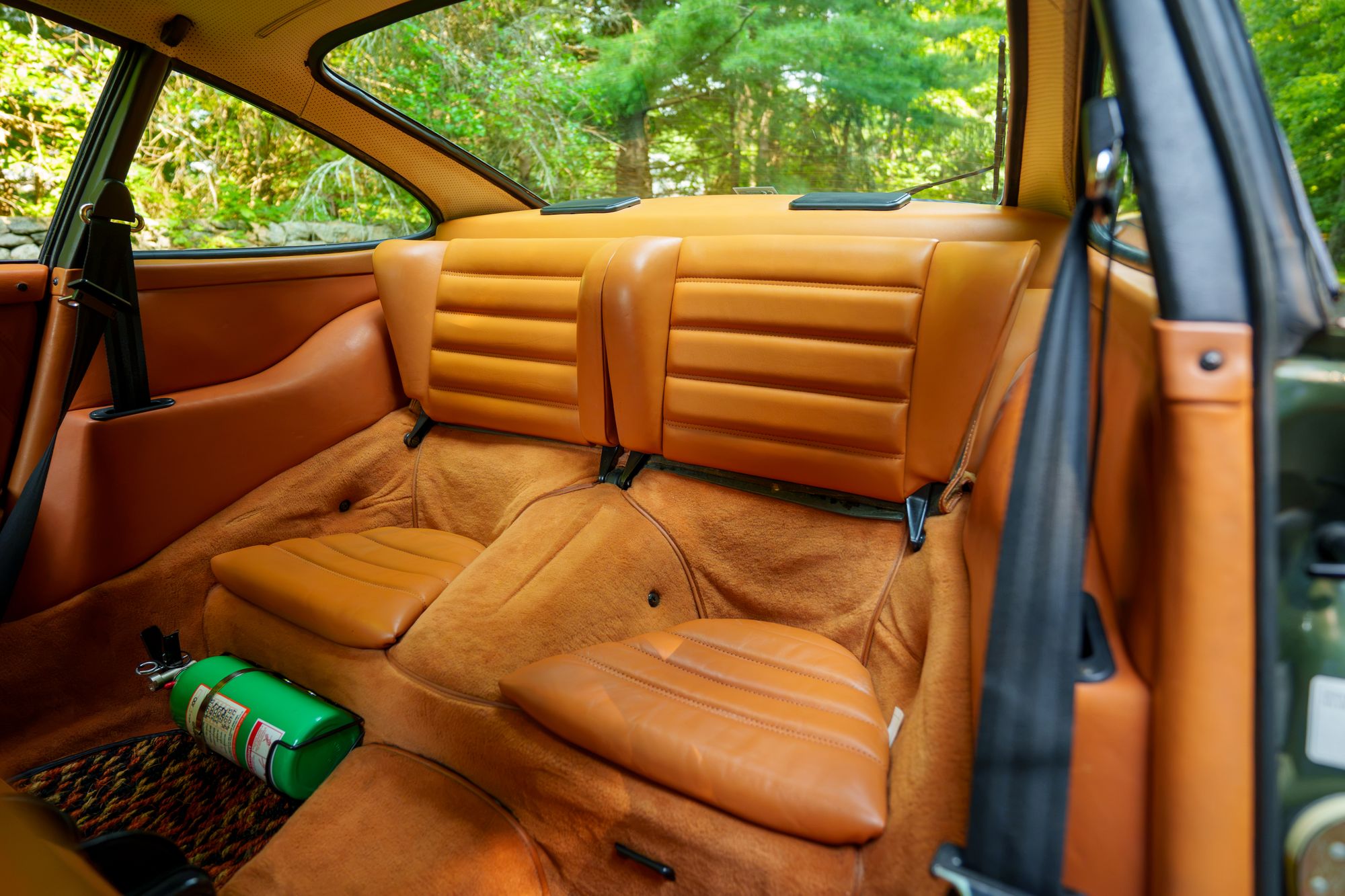
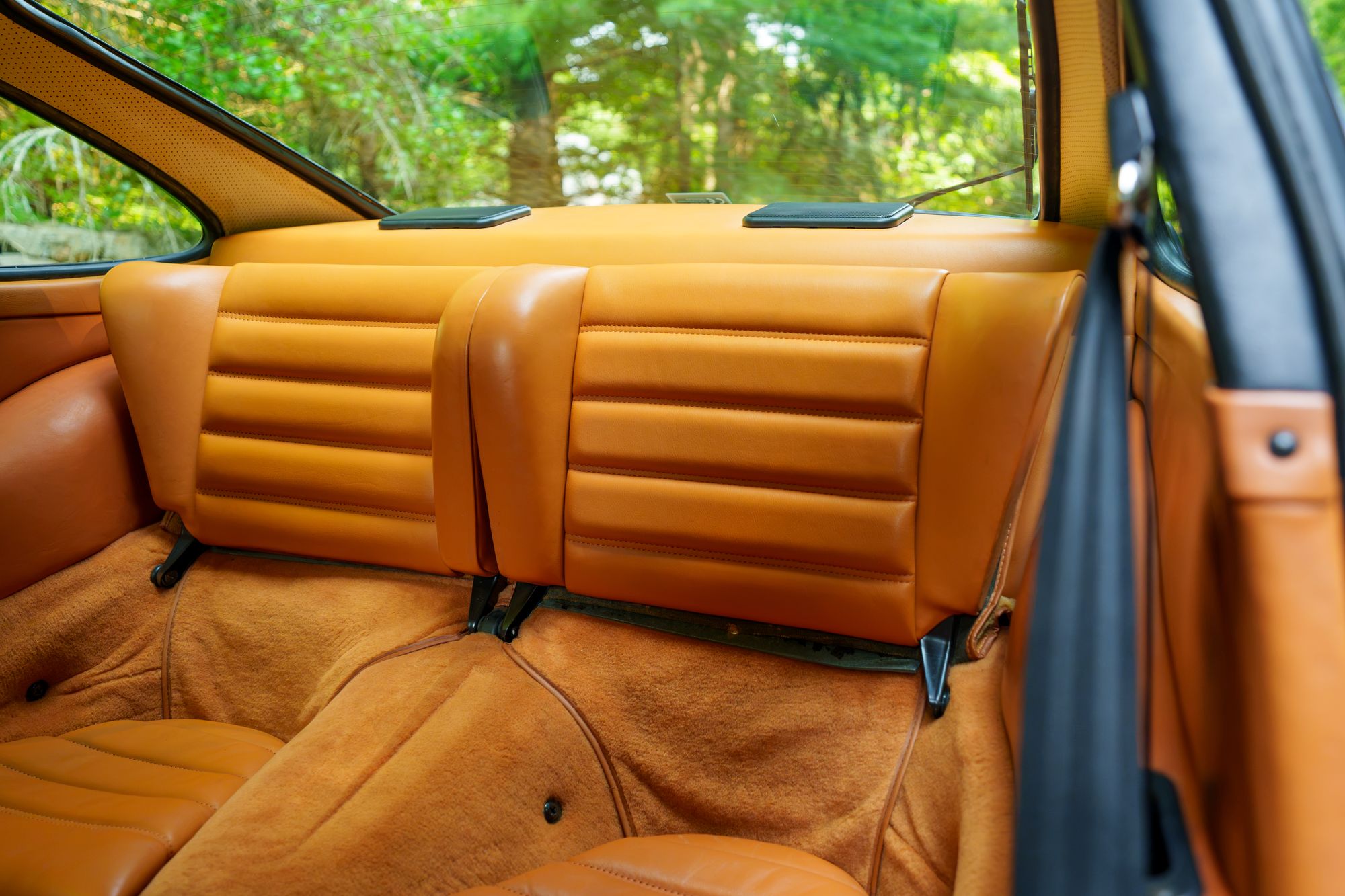
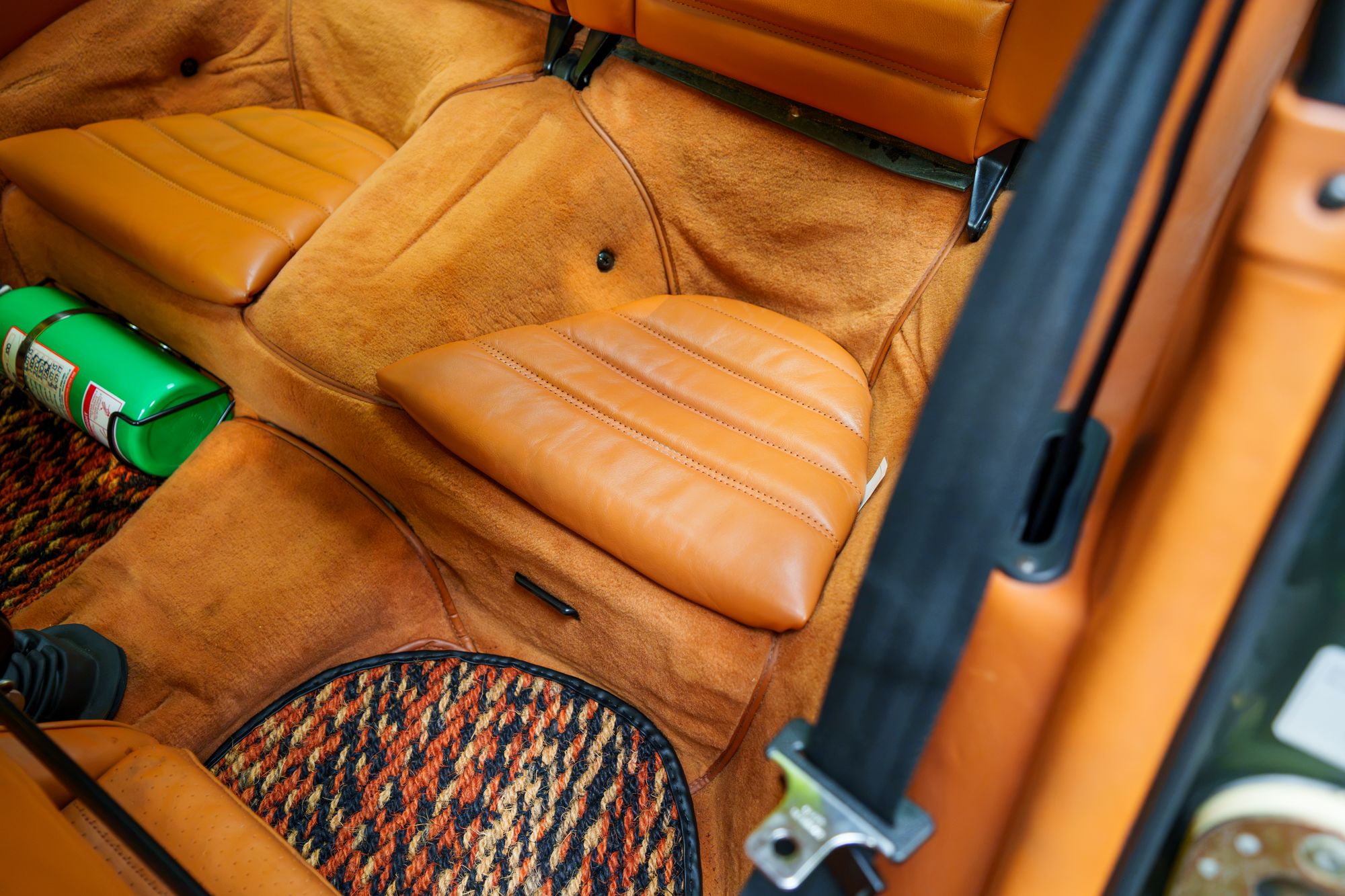
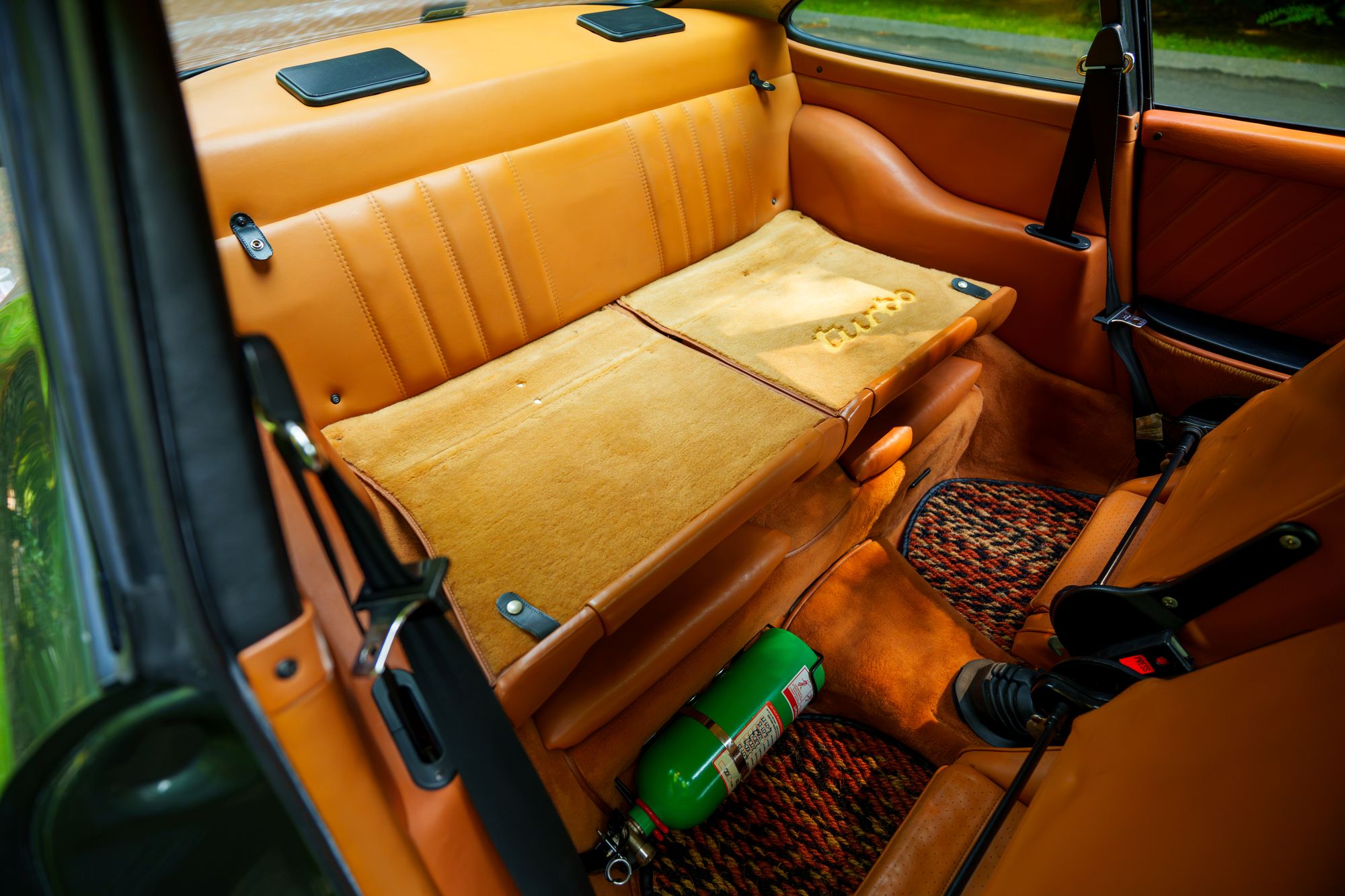
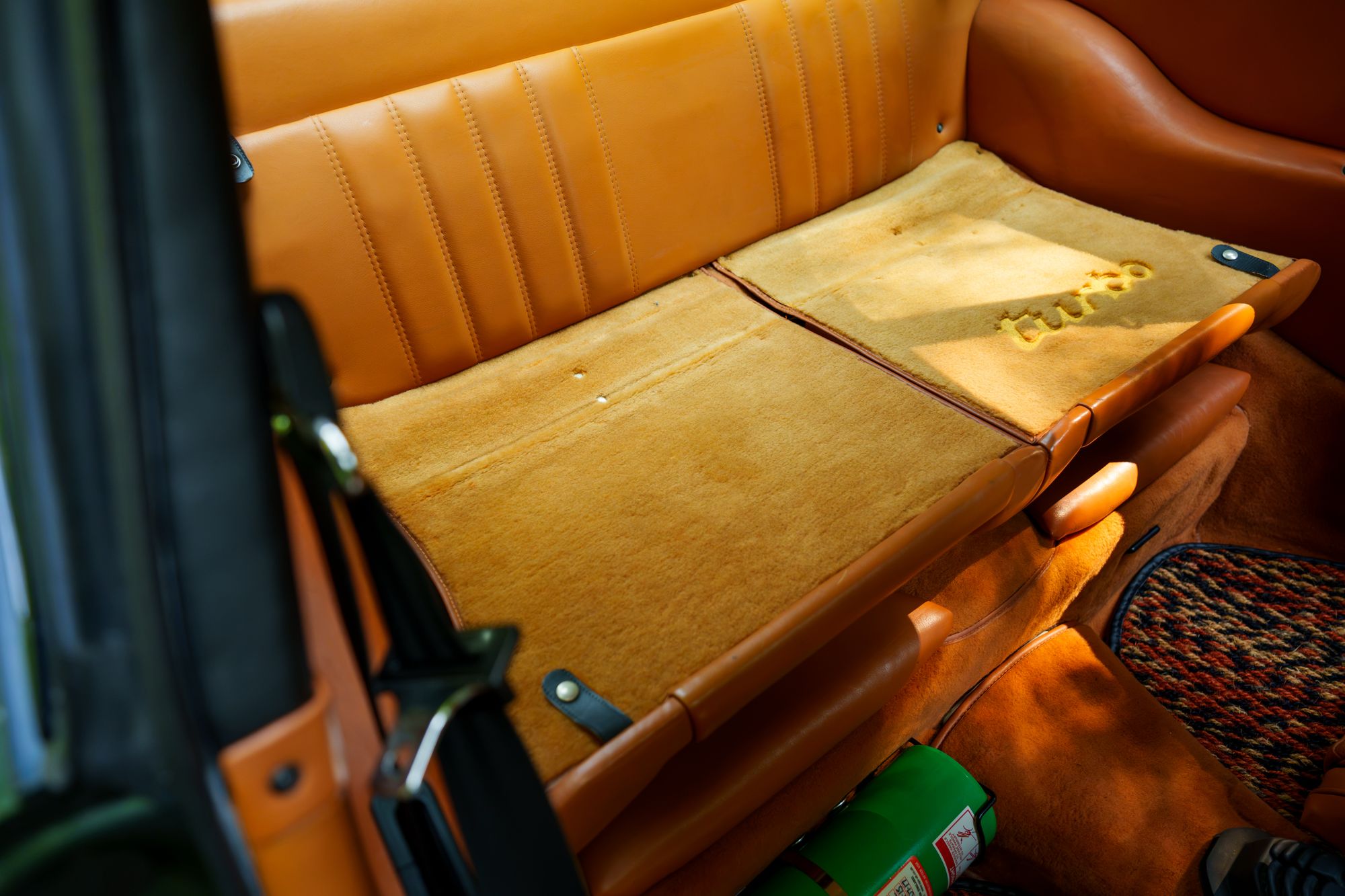
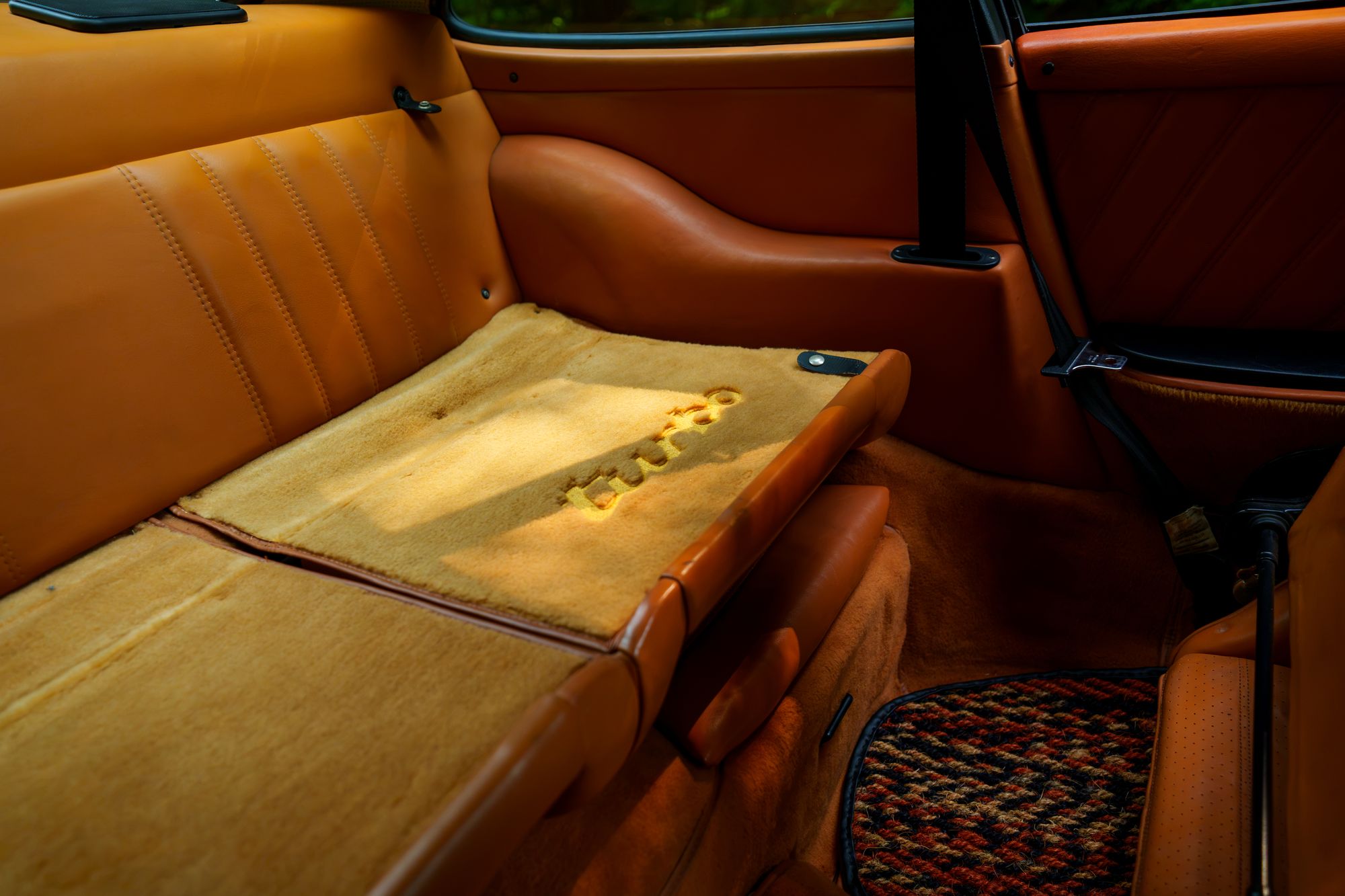
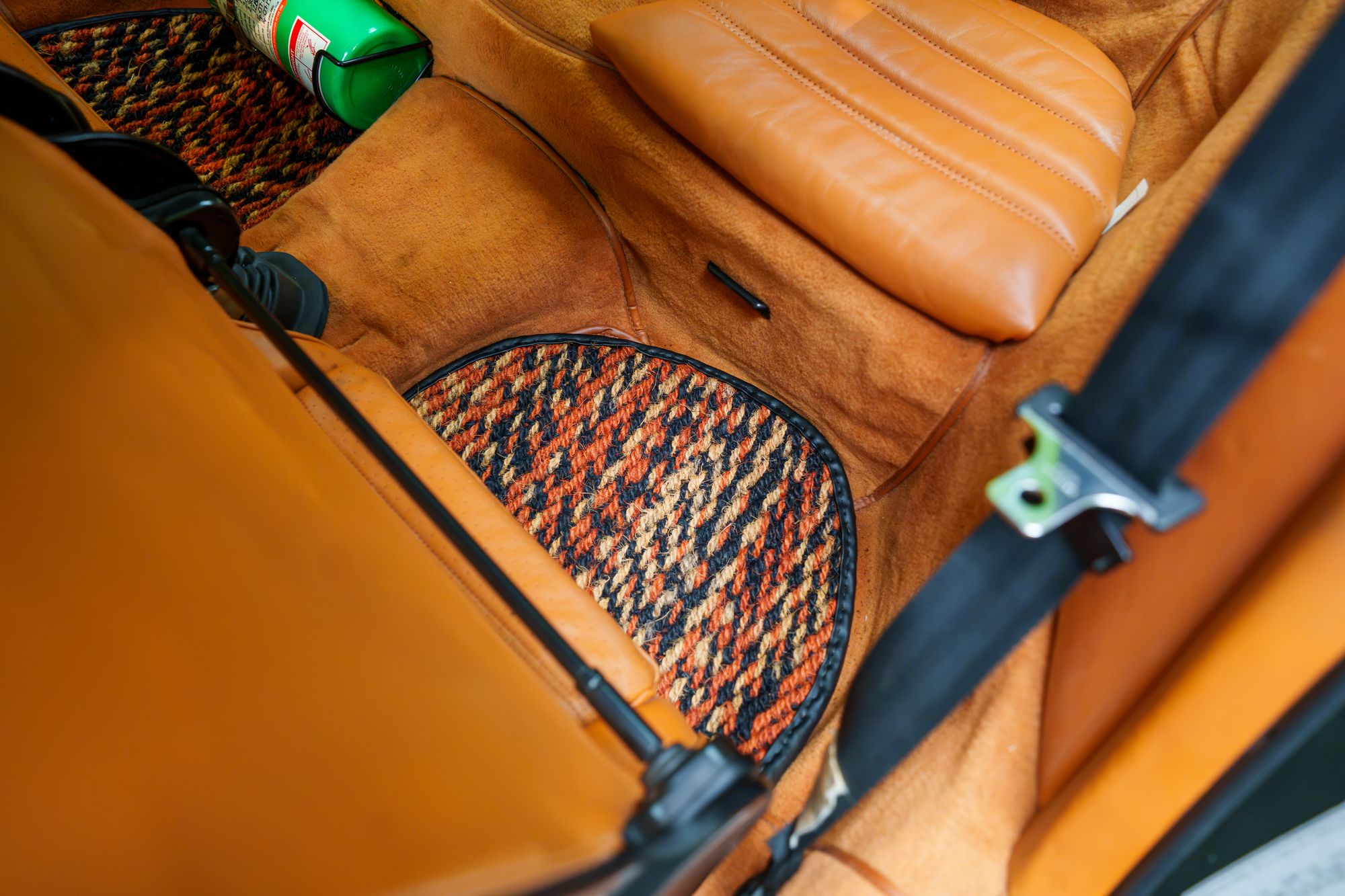
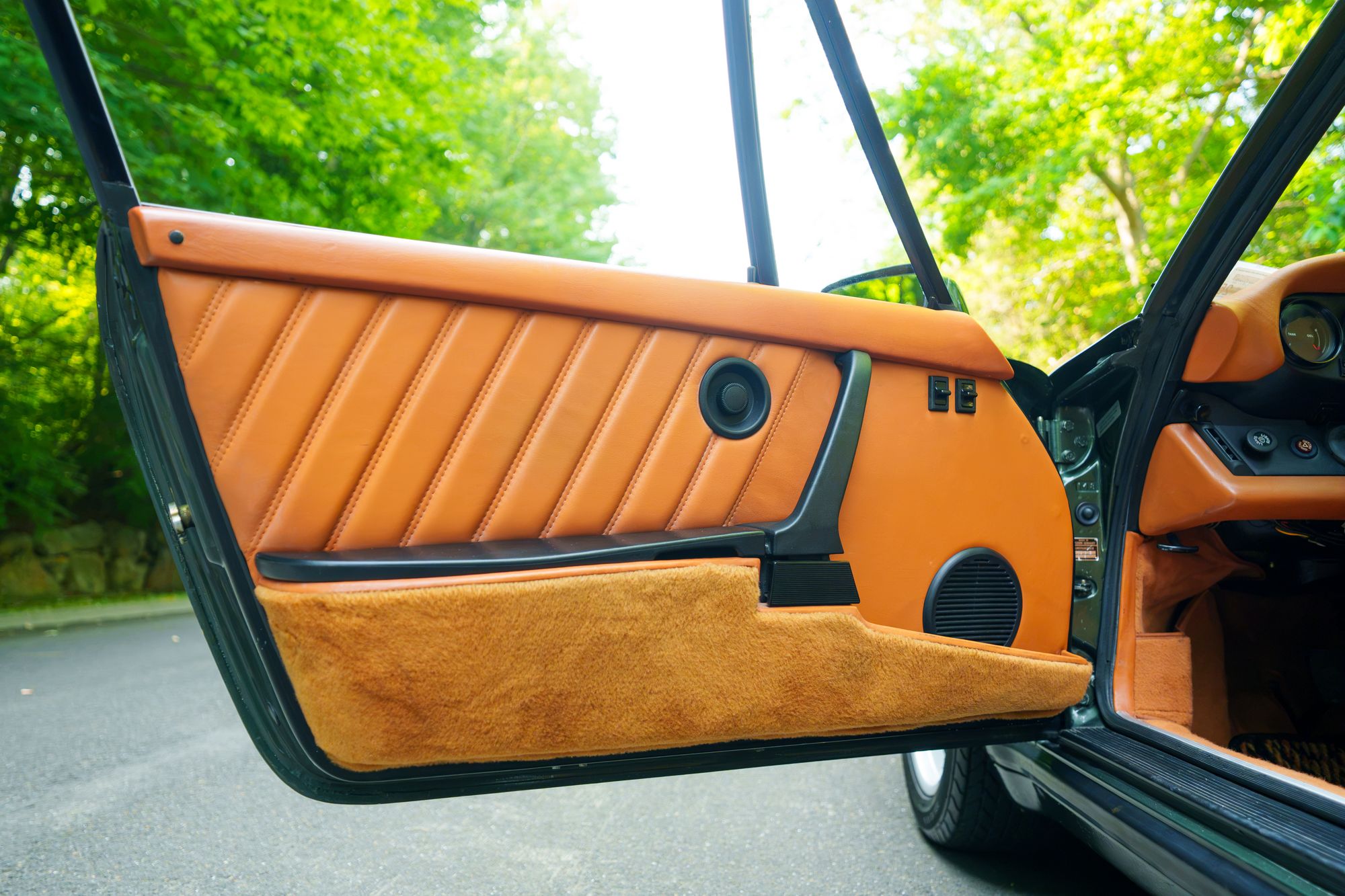
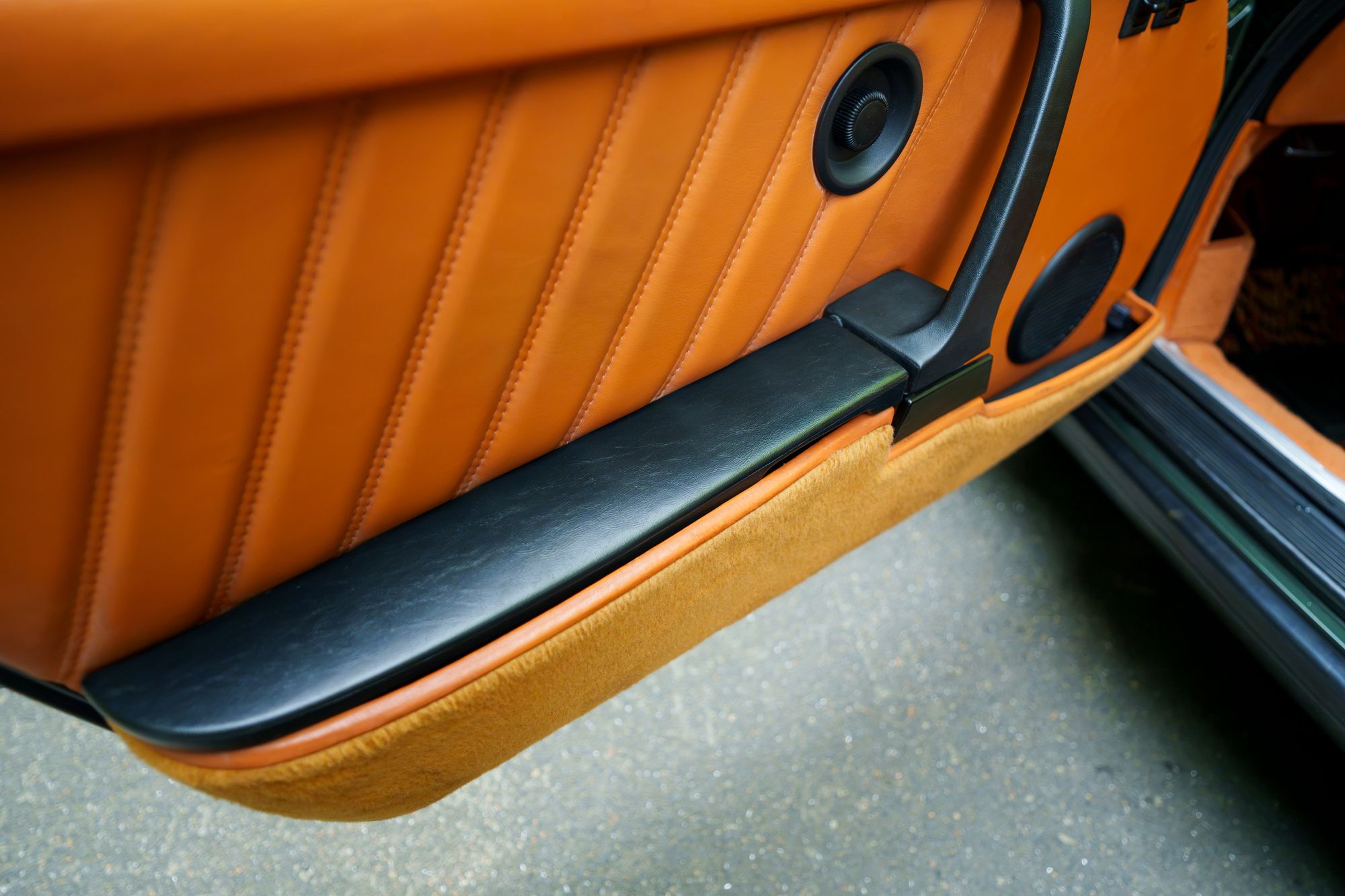
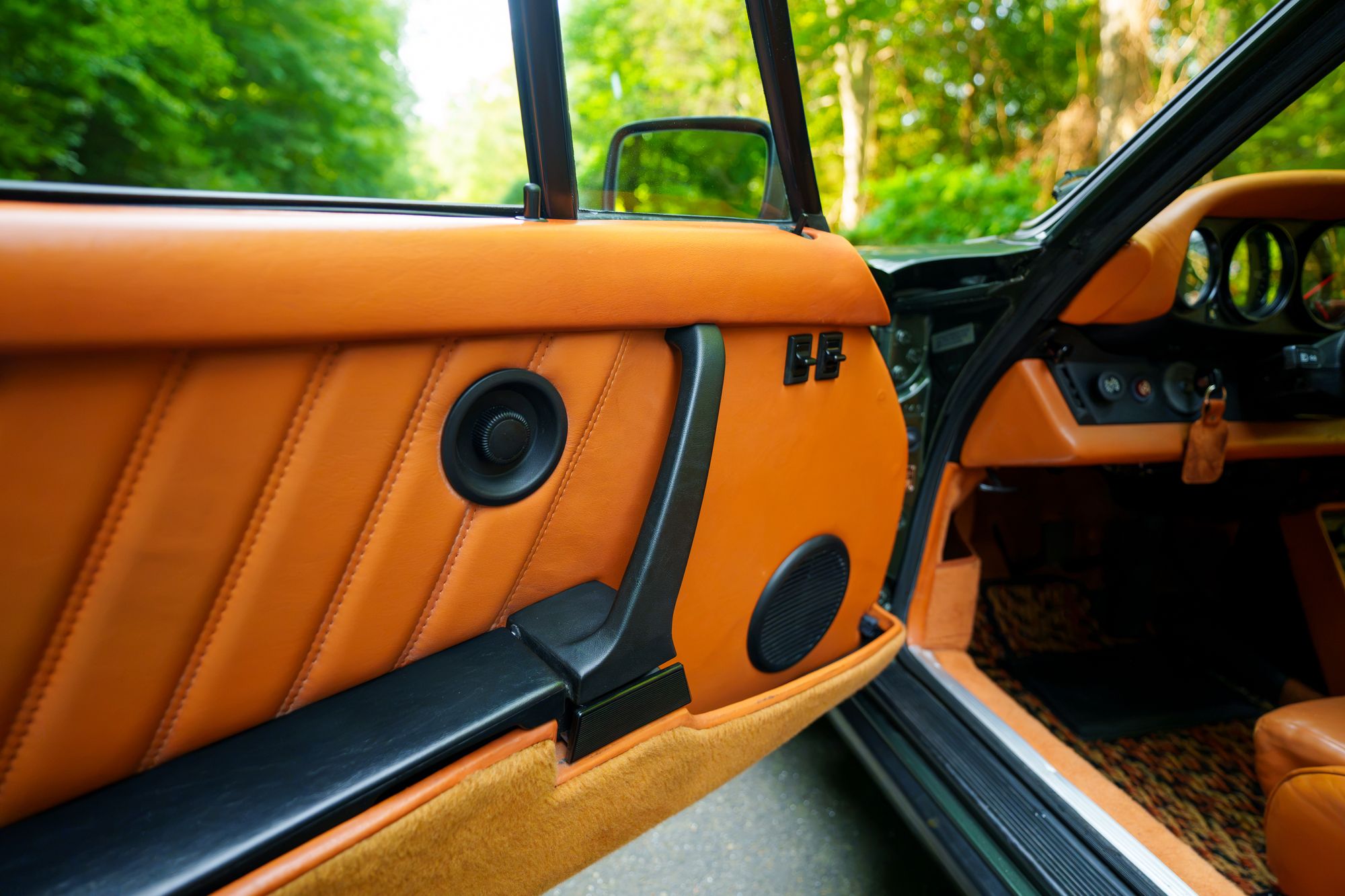
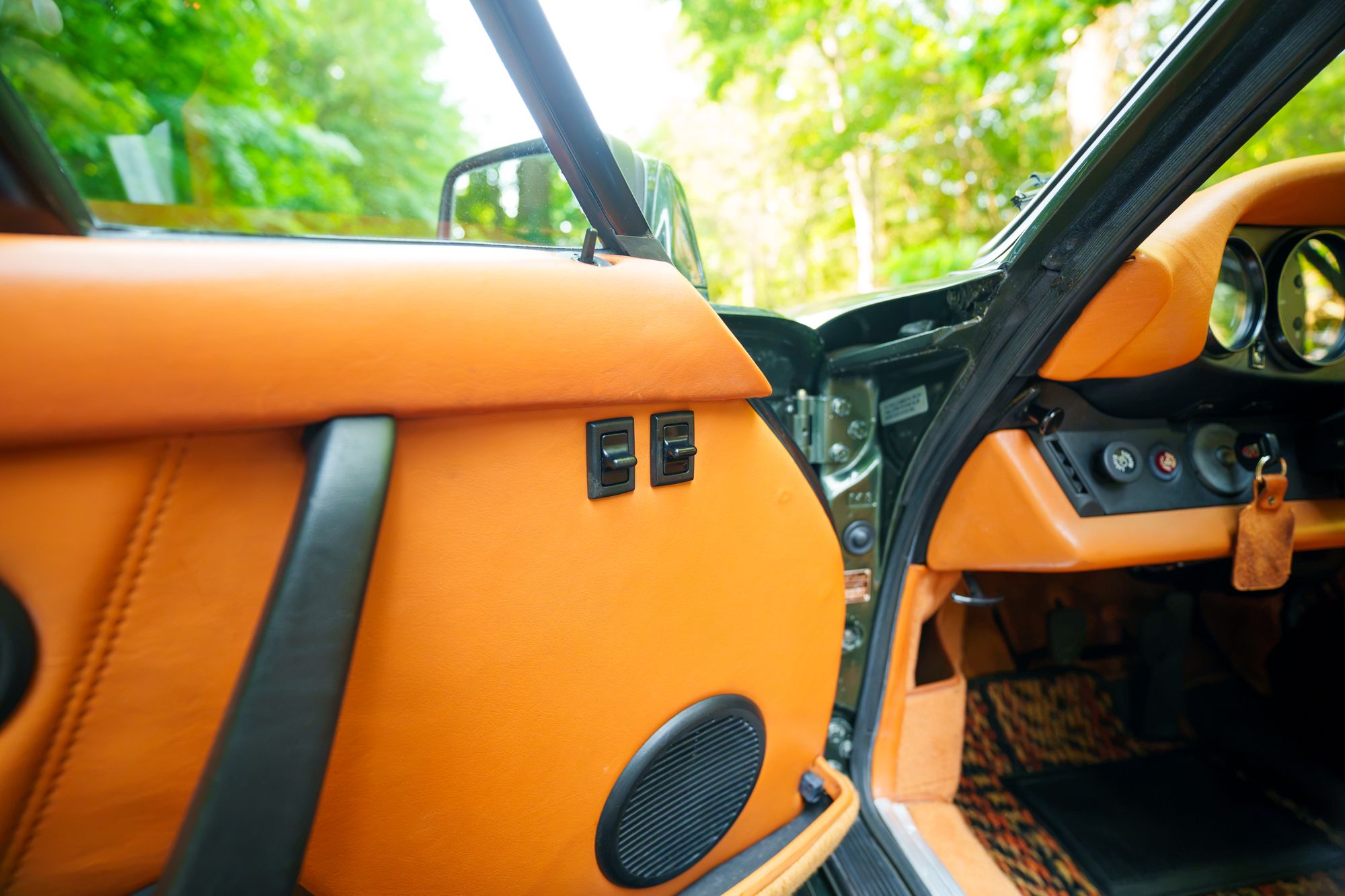
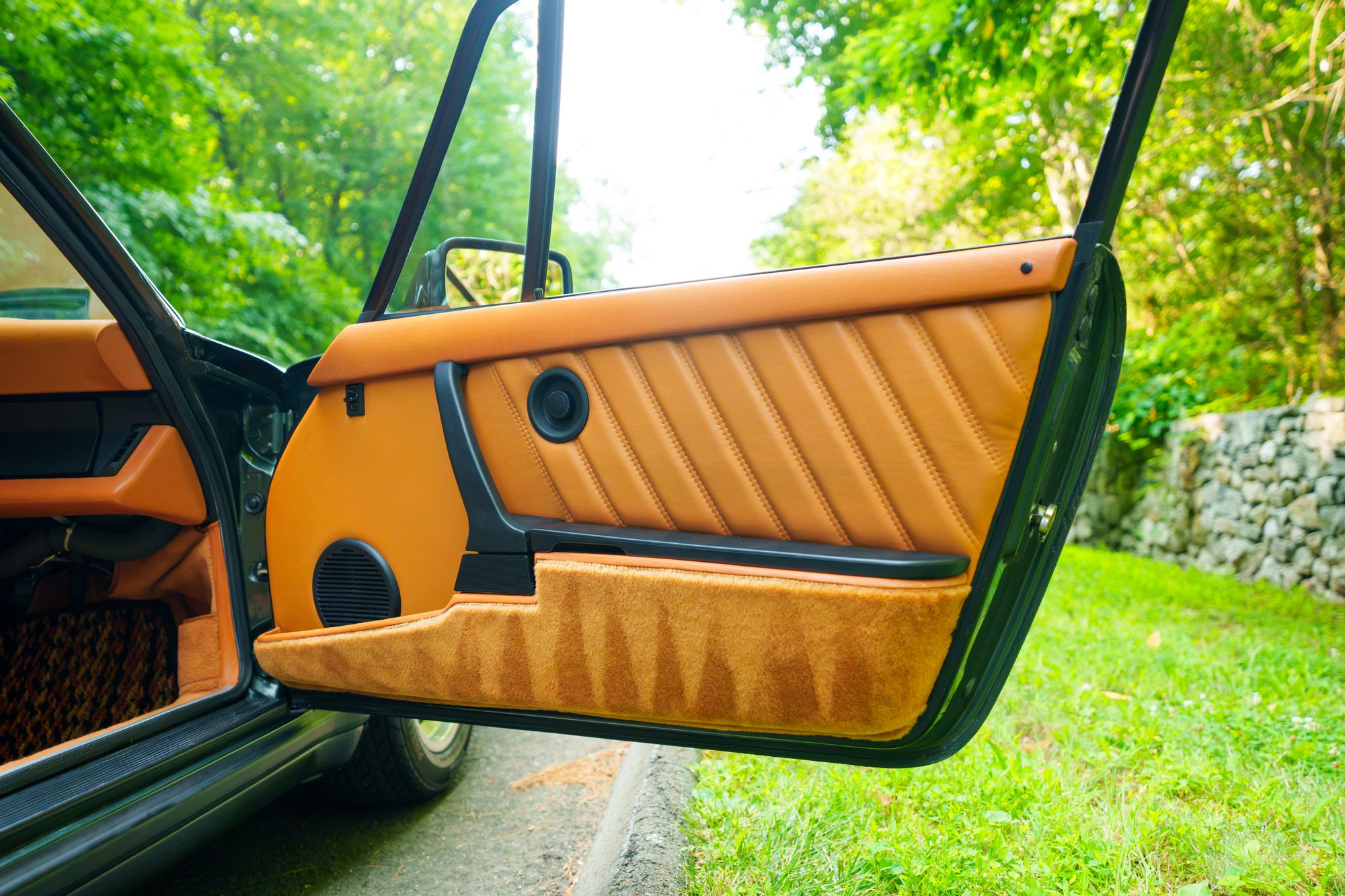
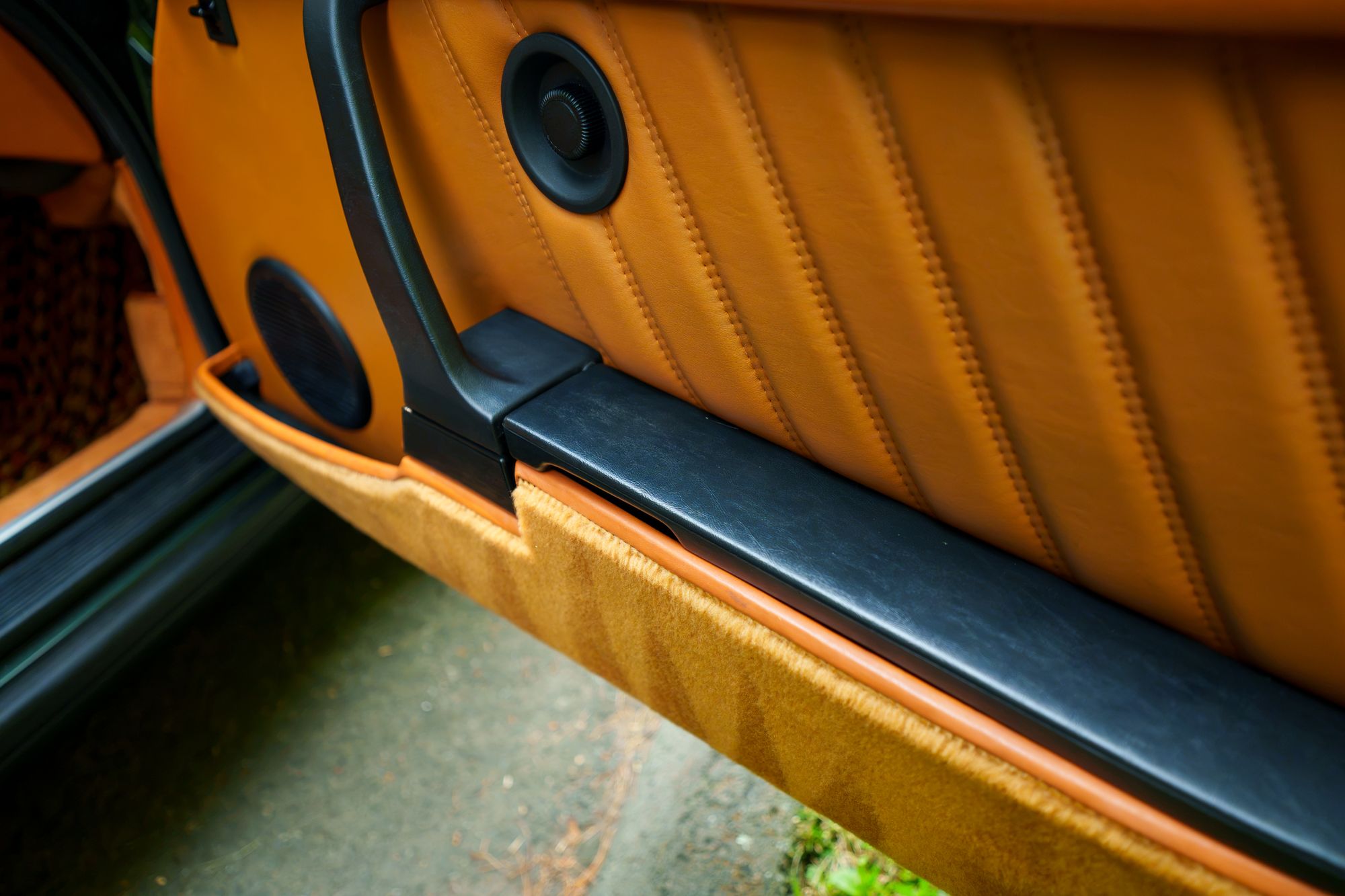
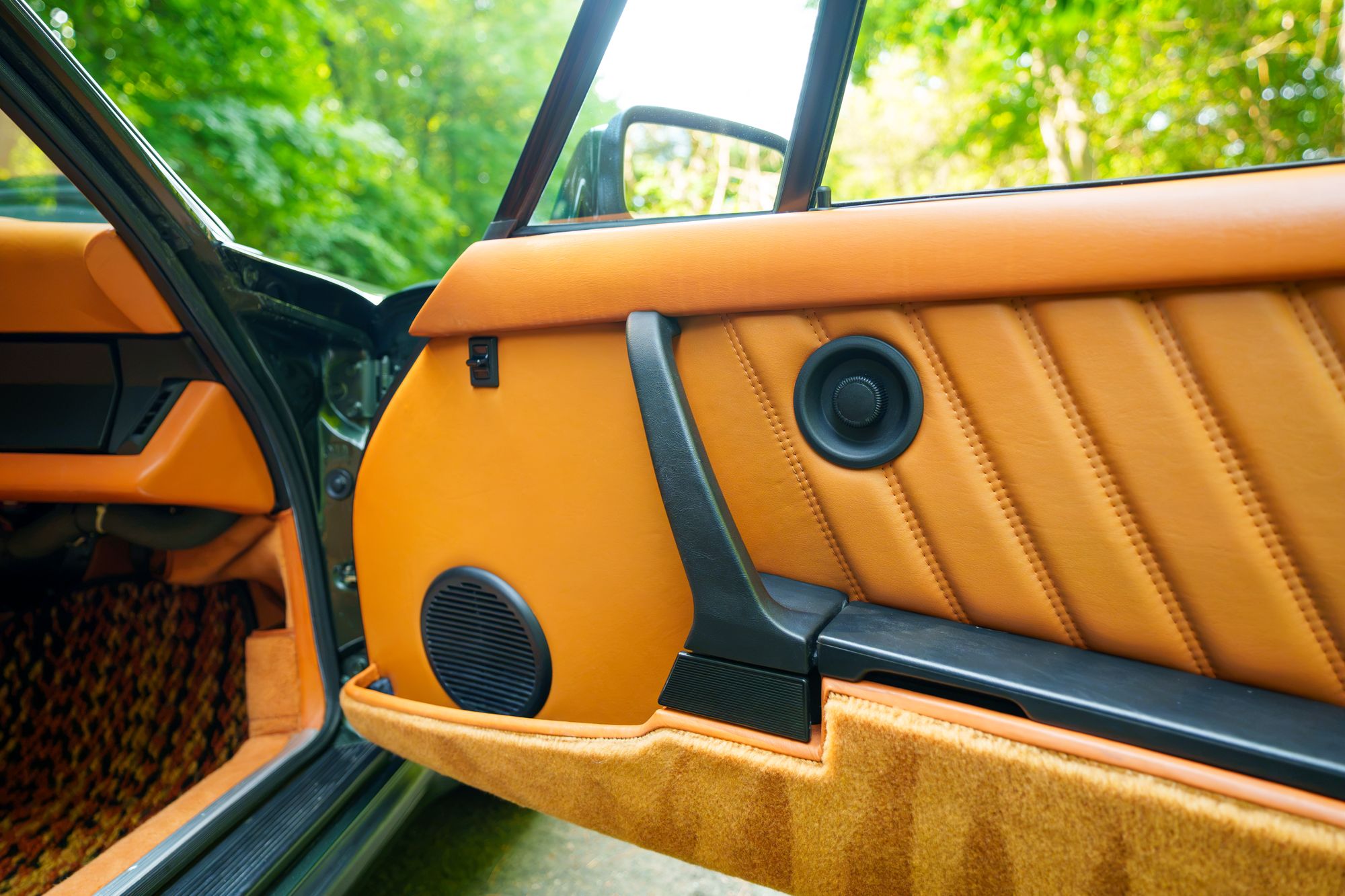
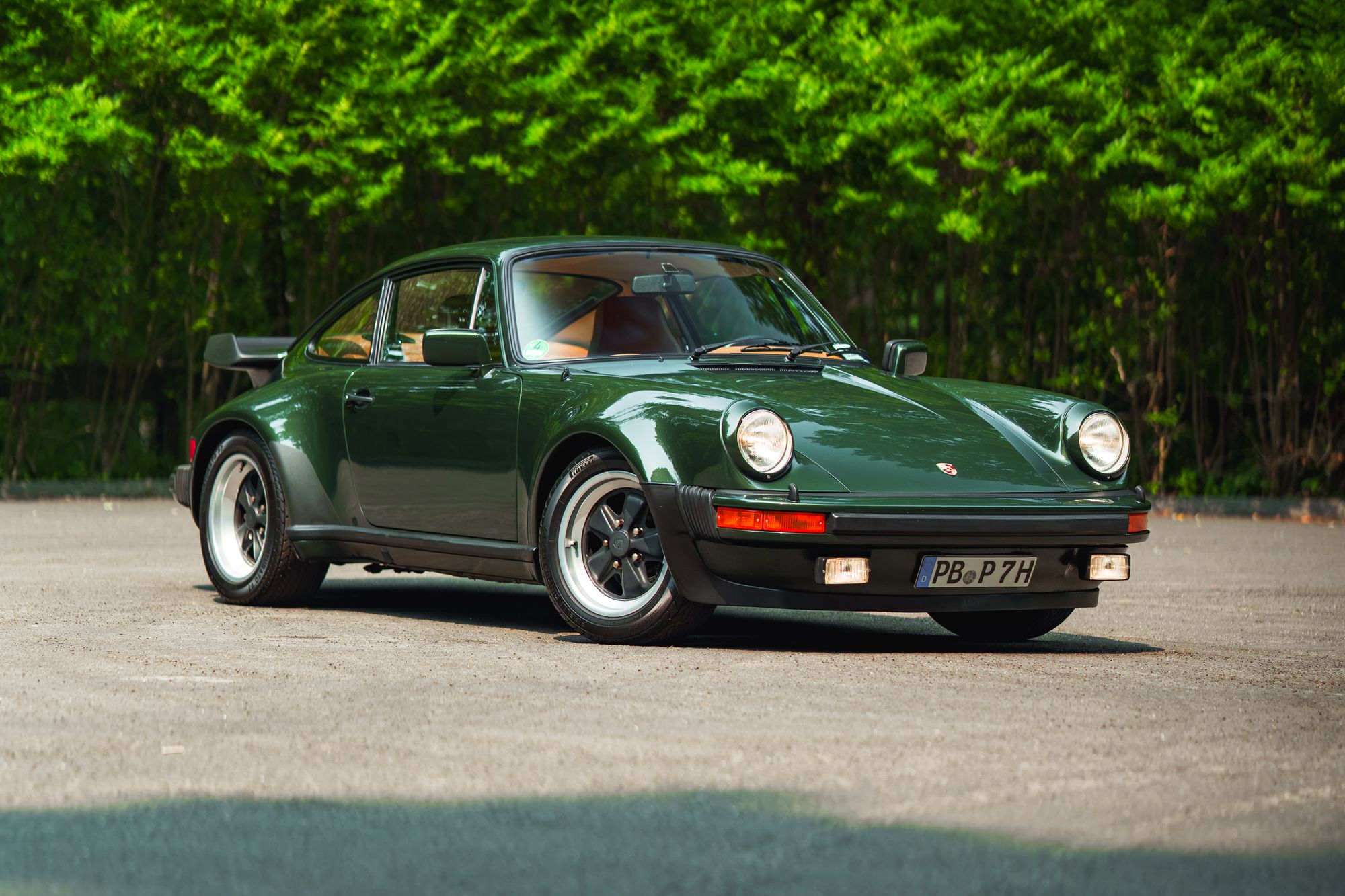
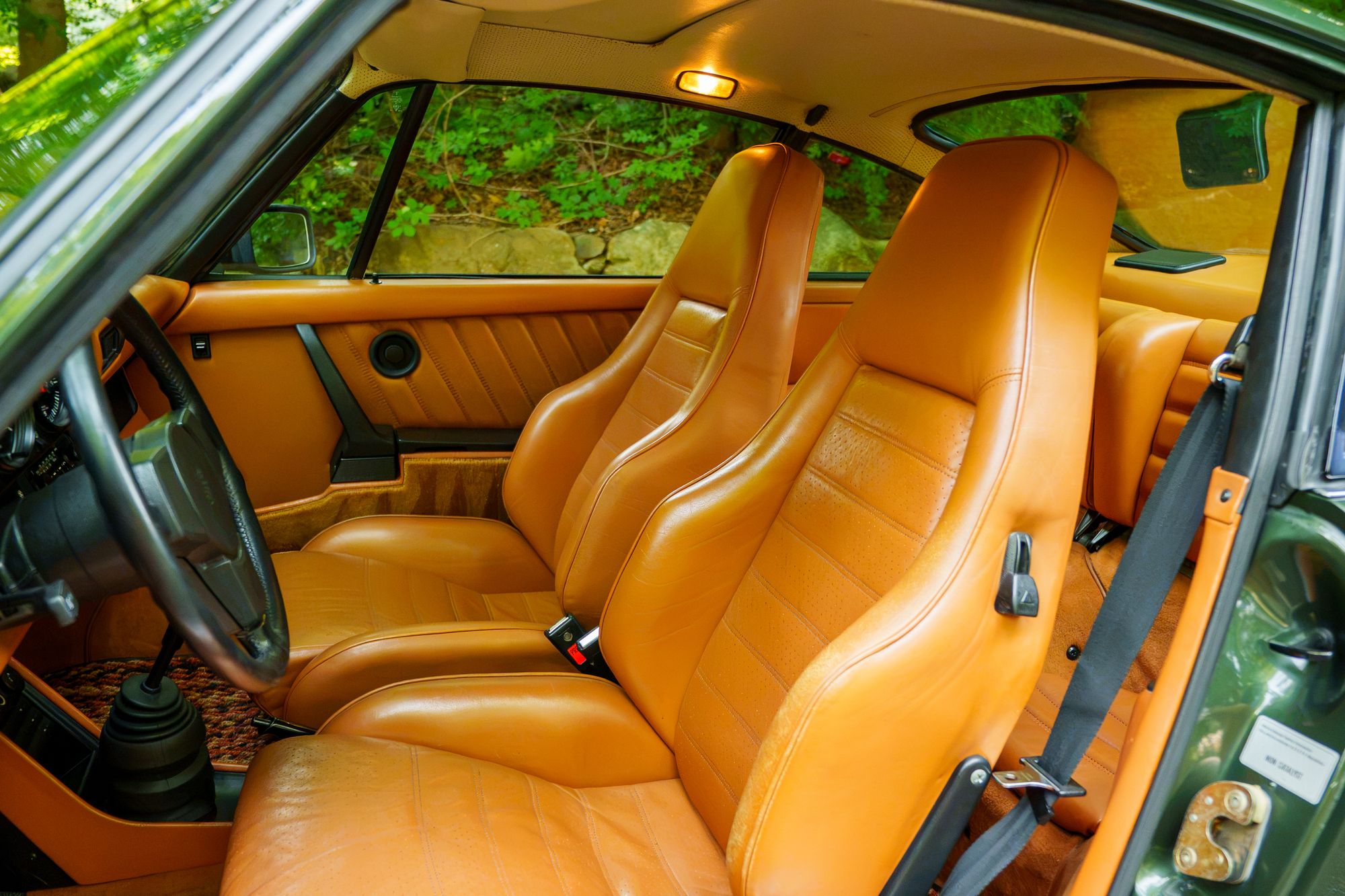
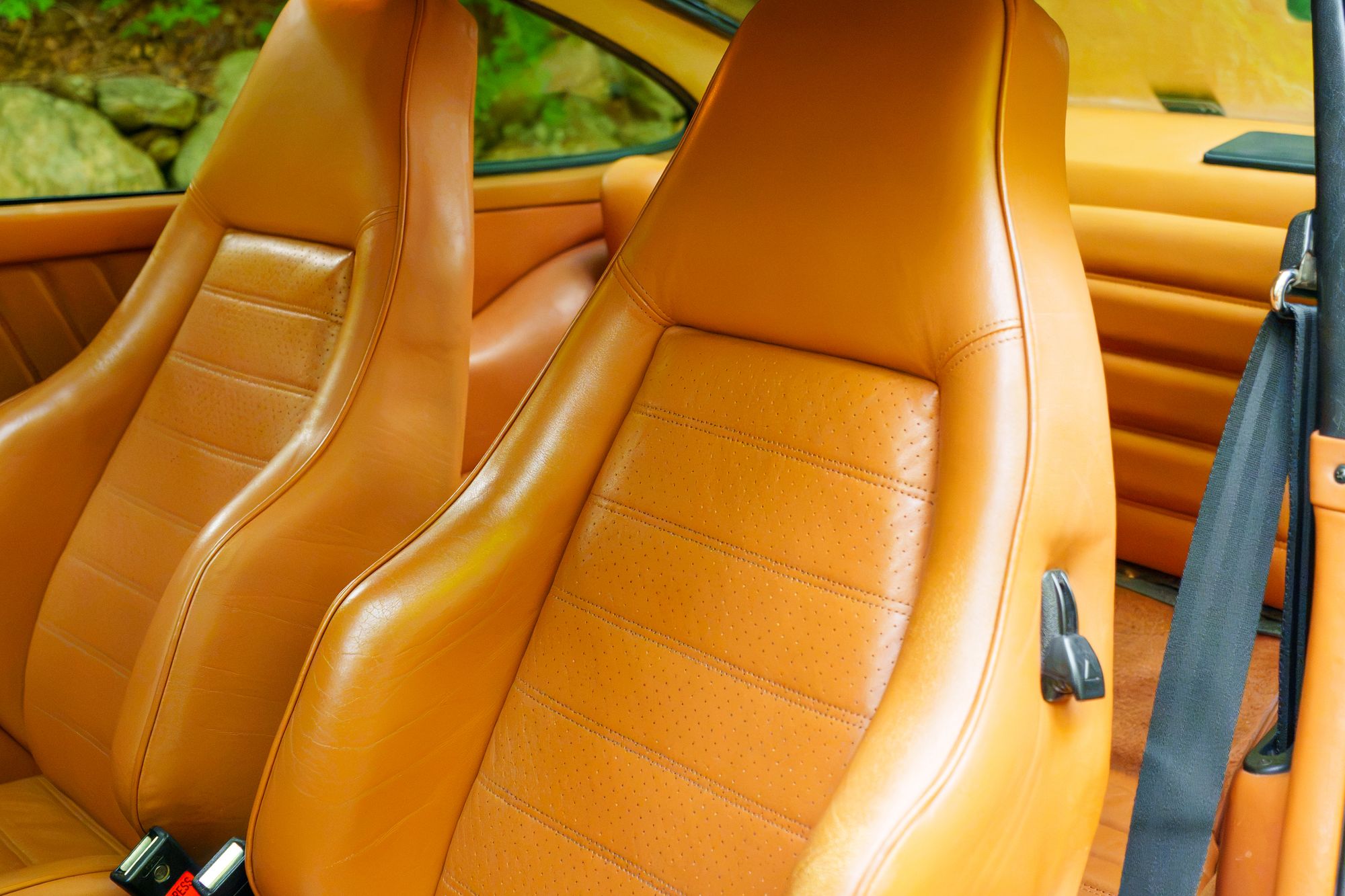
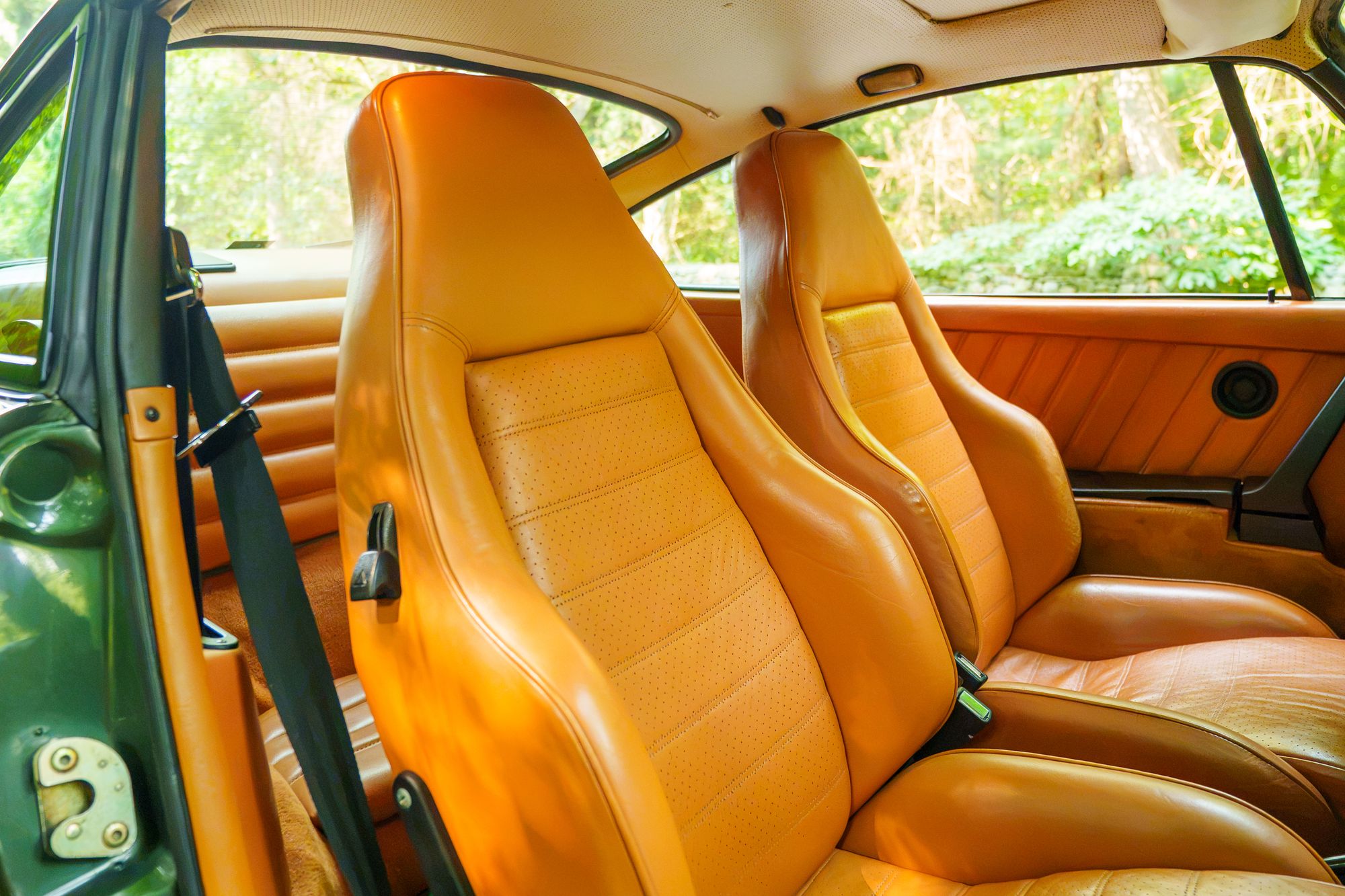
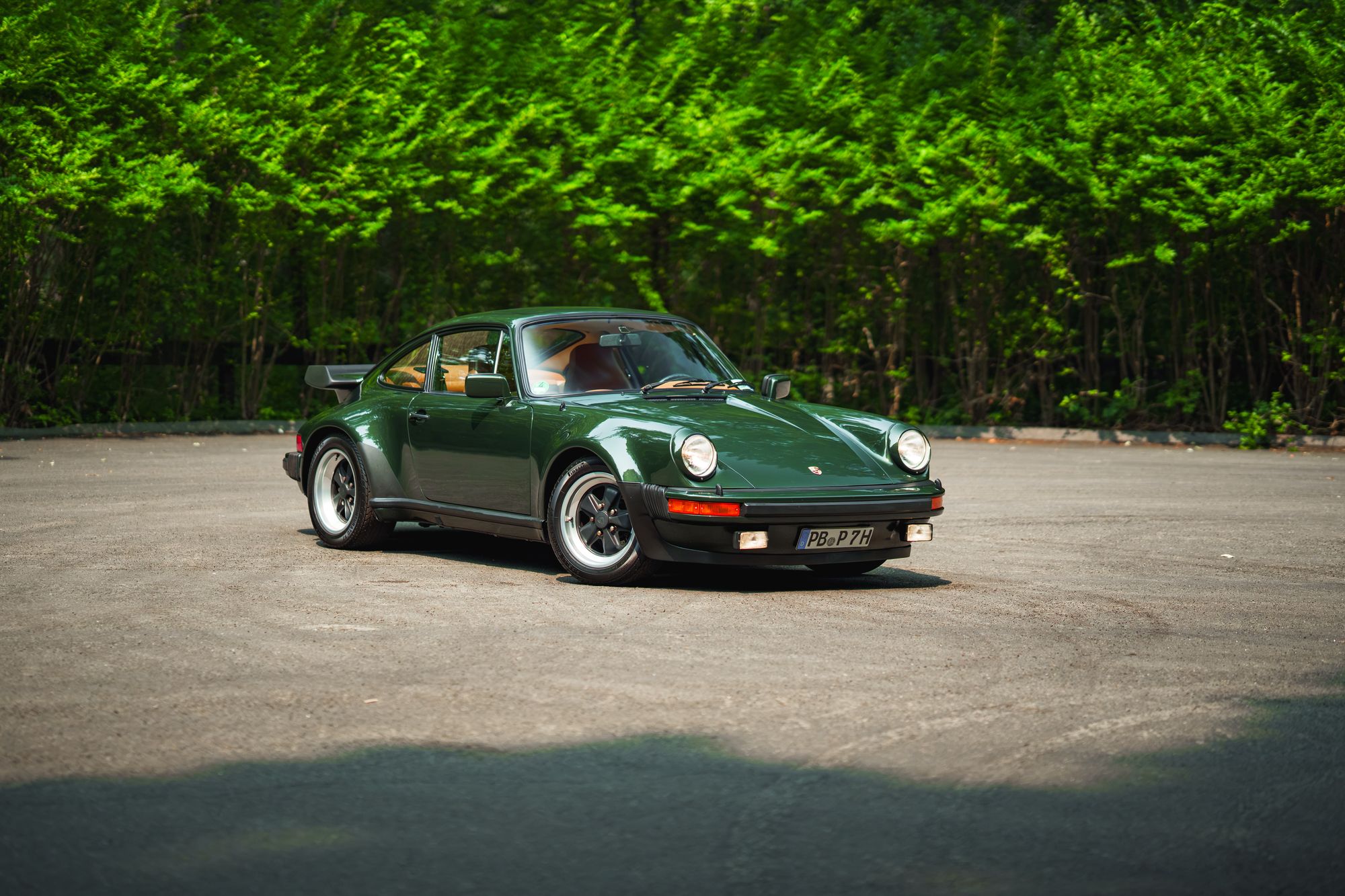
Original Oak Green Metallic paint & Cork Leather interior
-
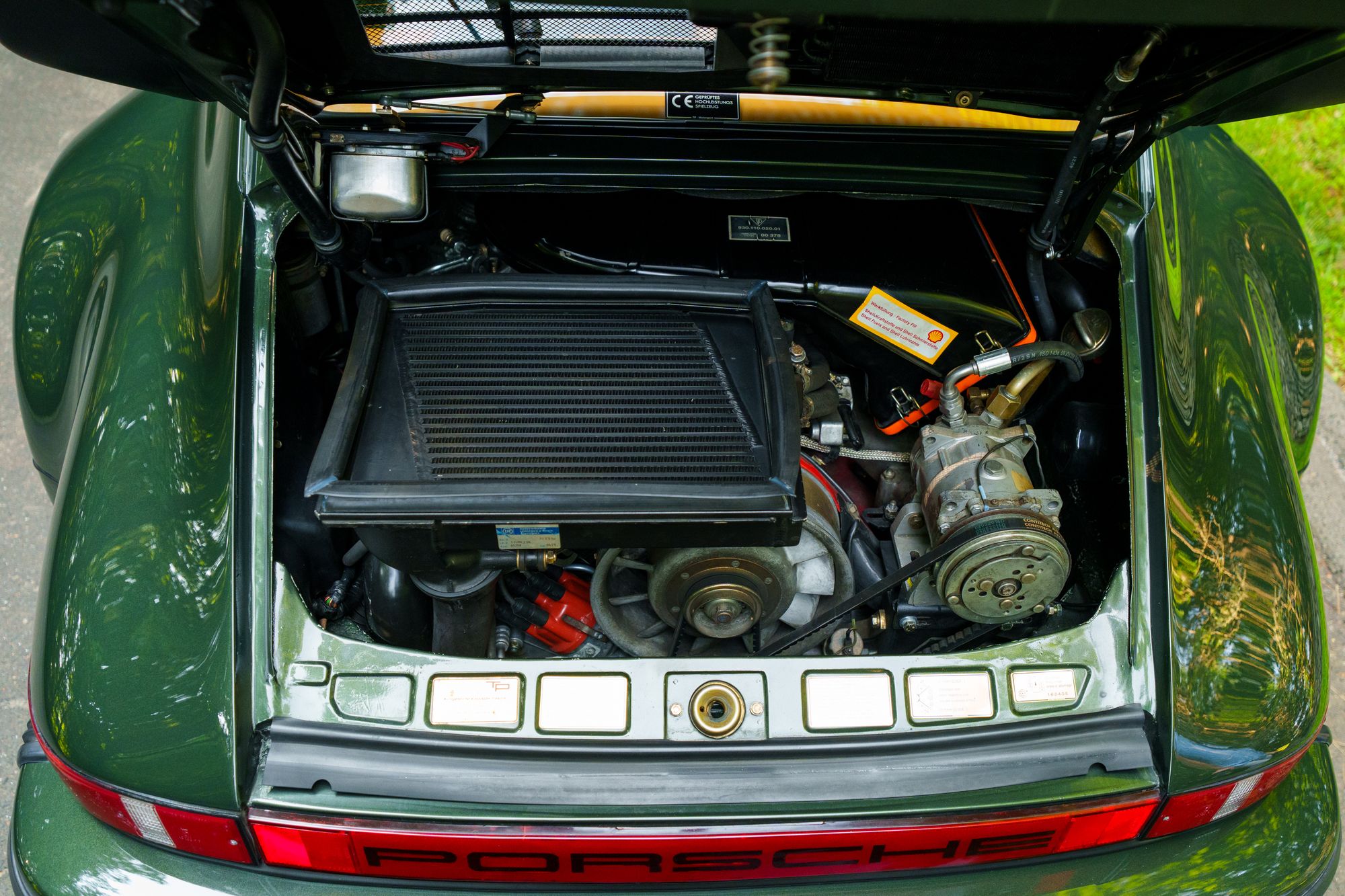
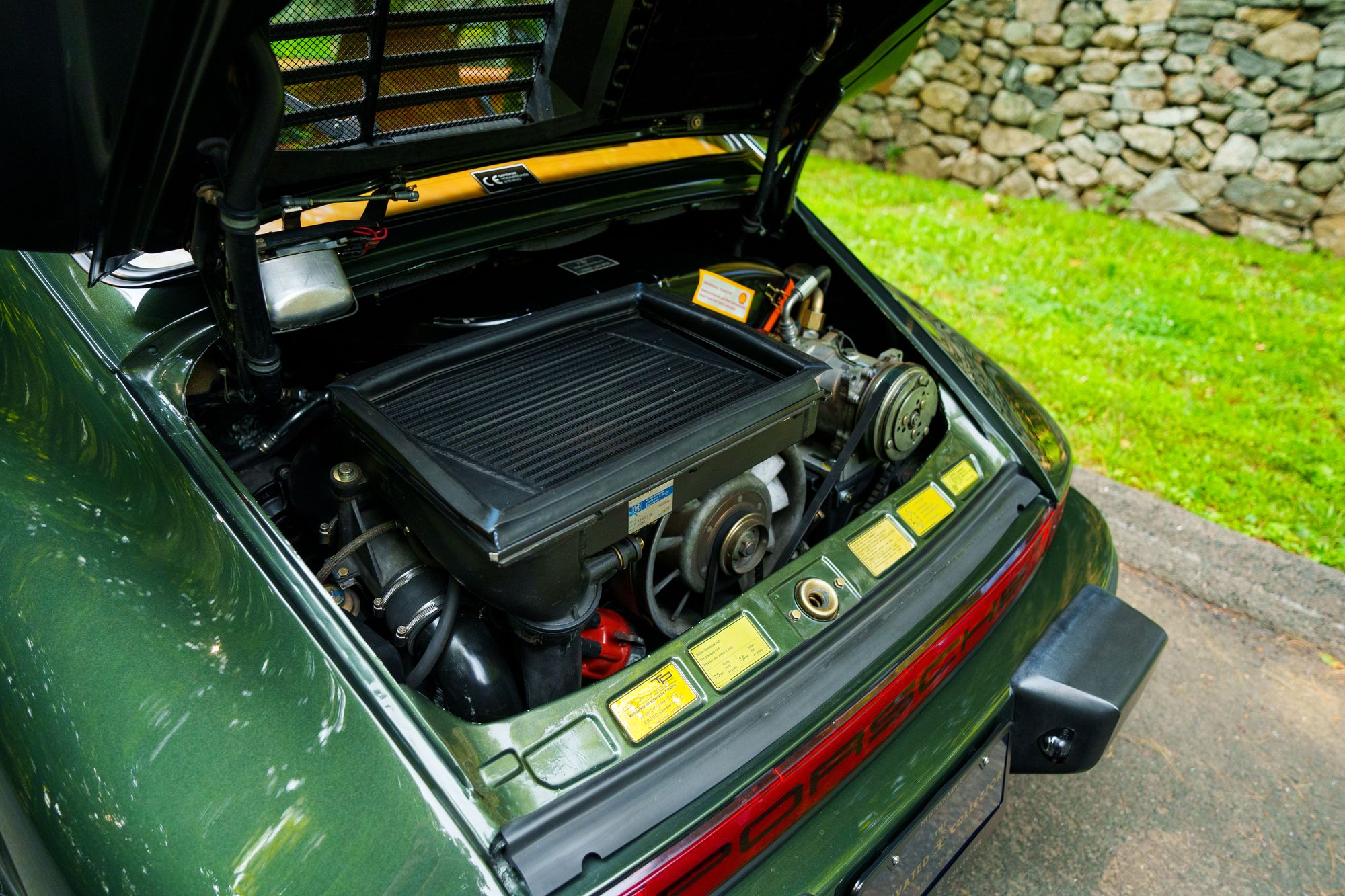
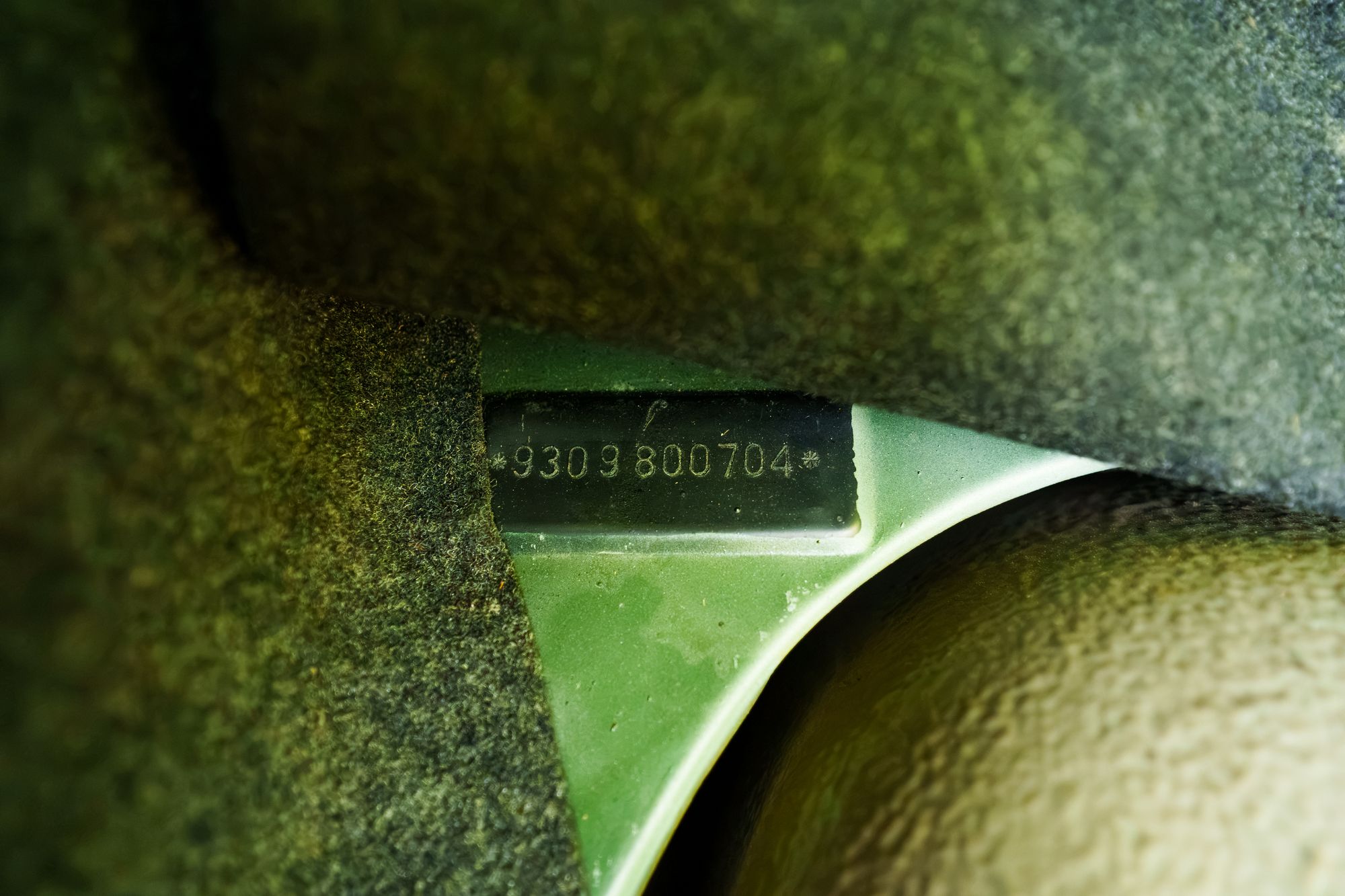
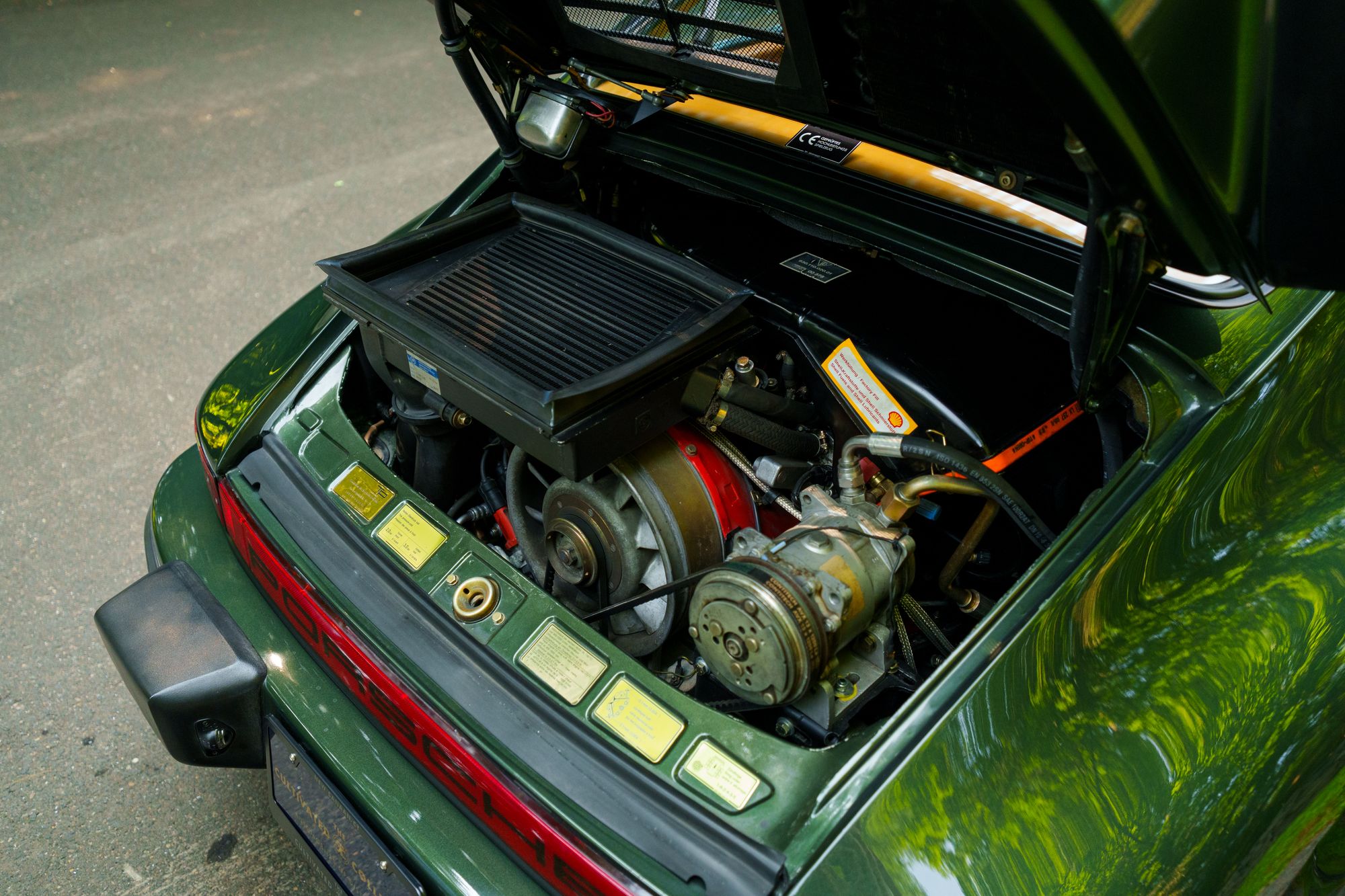
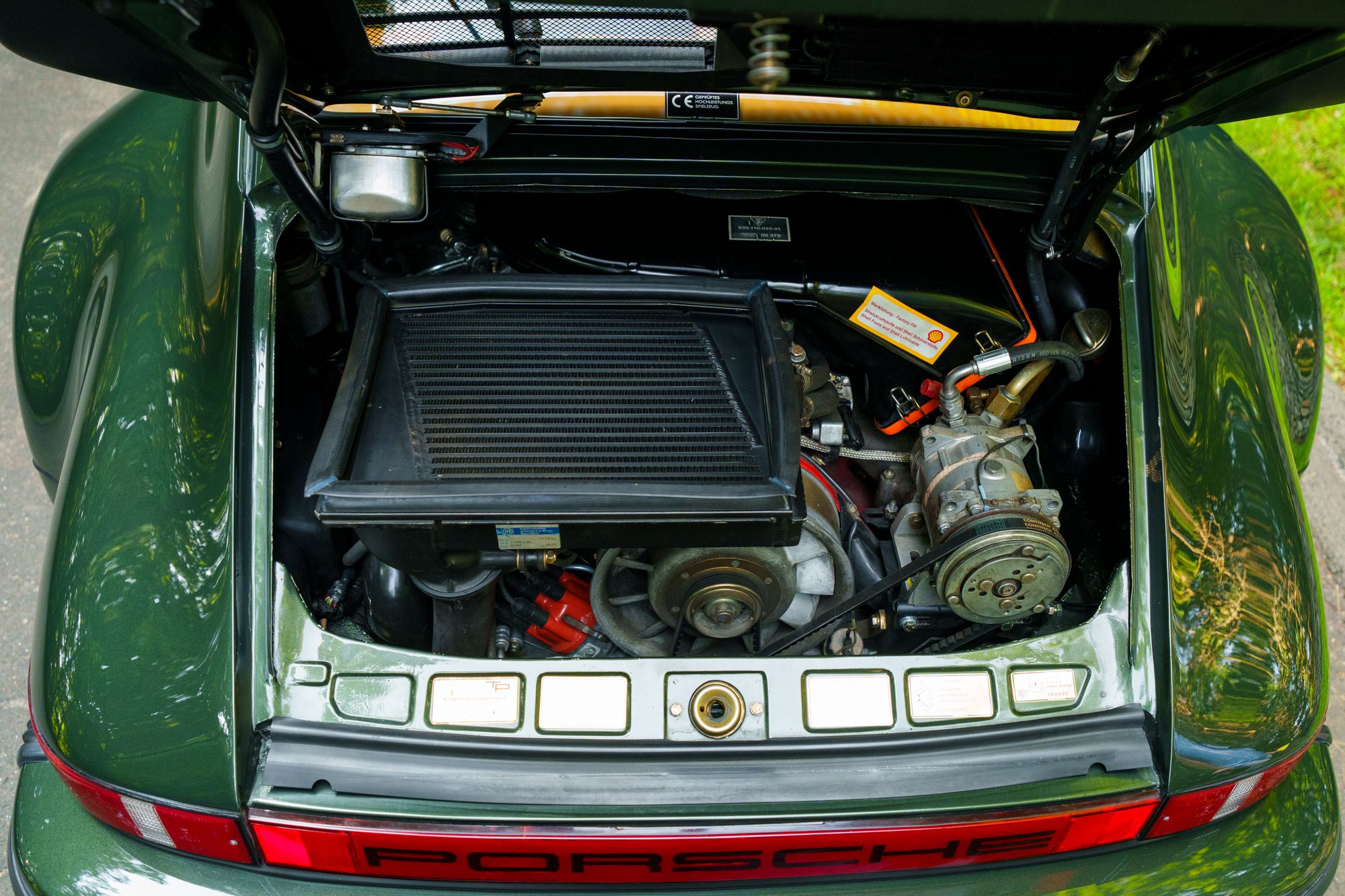
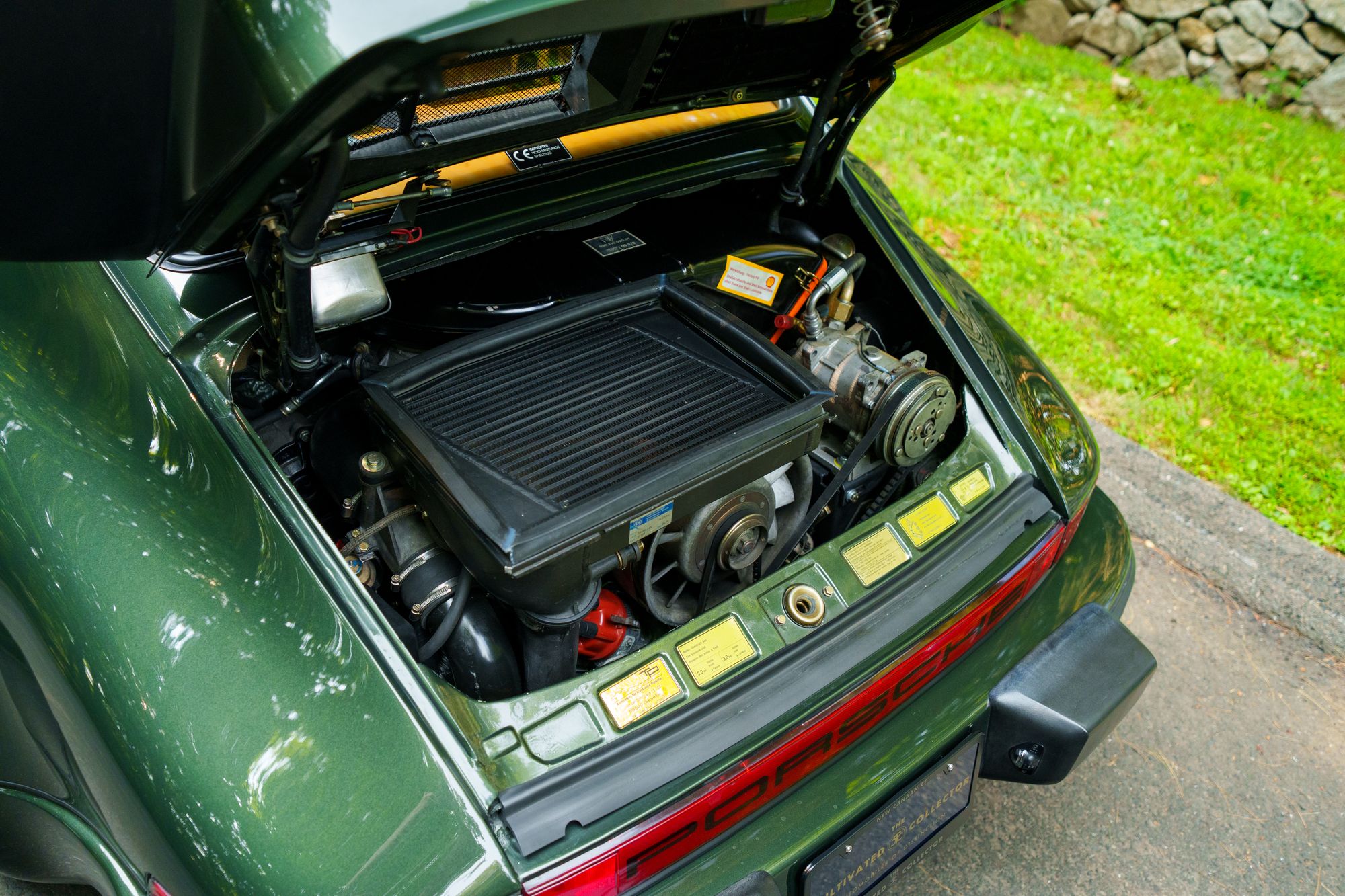
Original numbers-matching engine & gearbox; unmodified
-
Documented ownership from new
-
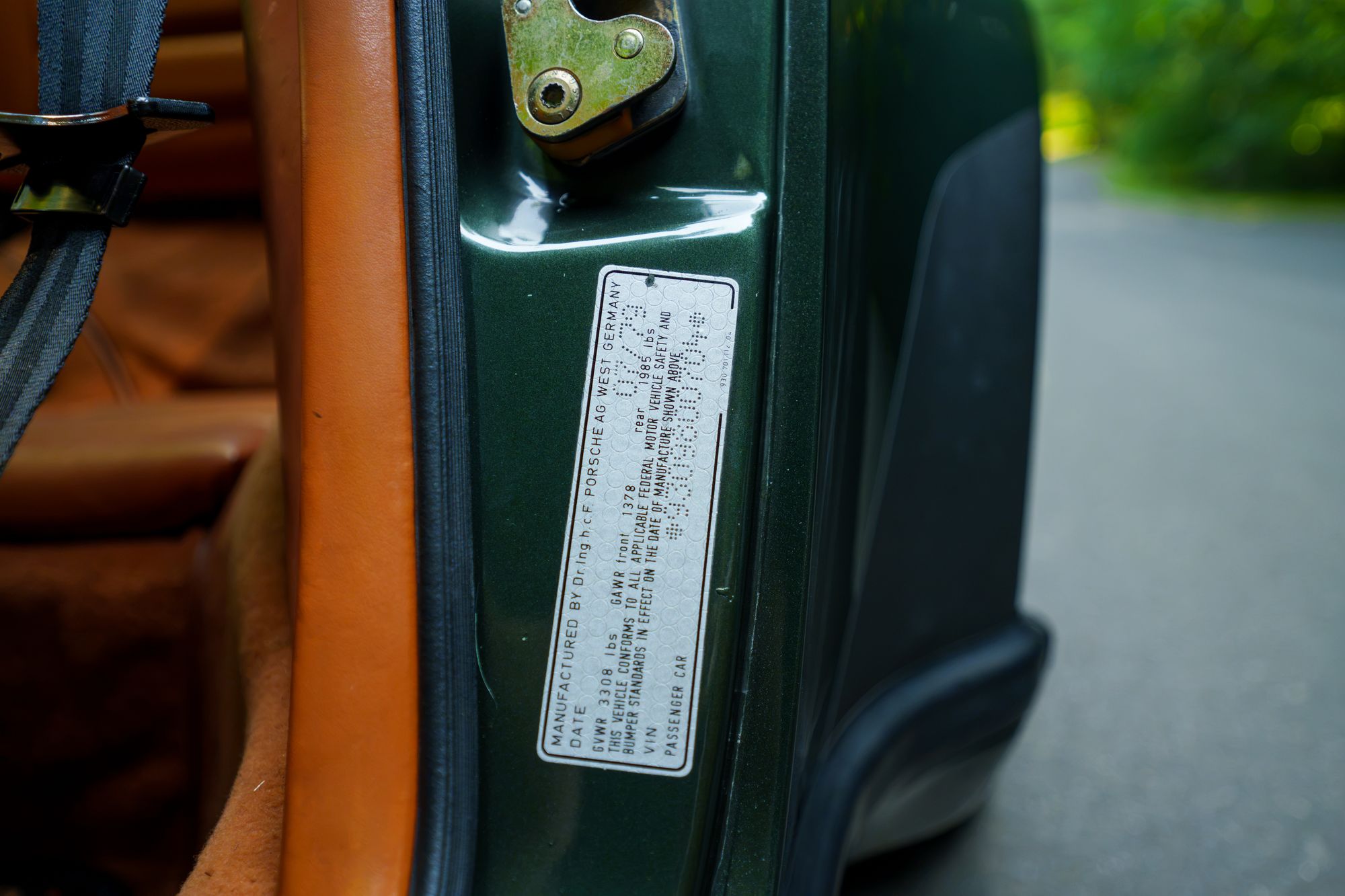
Porsche Certificate Of Authenticity
-
Comprehensive and significant records; extensive engine and gearbox refresh in 2014
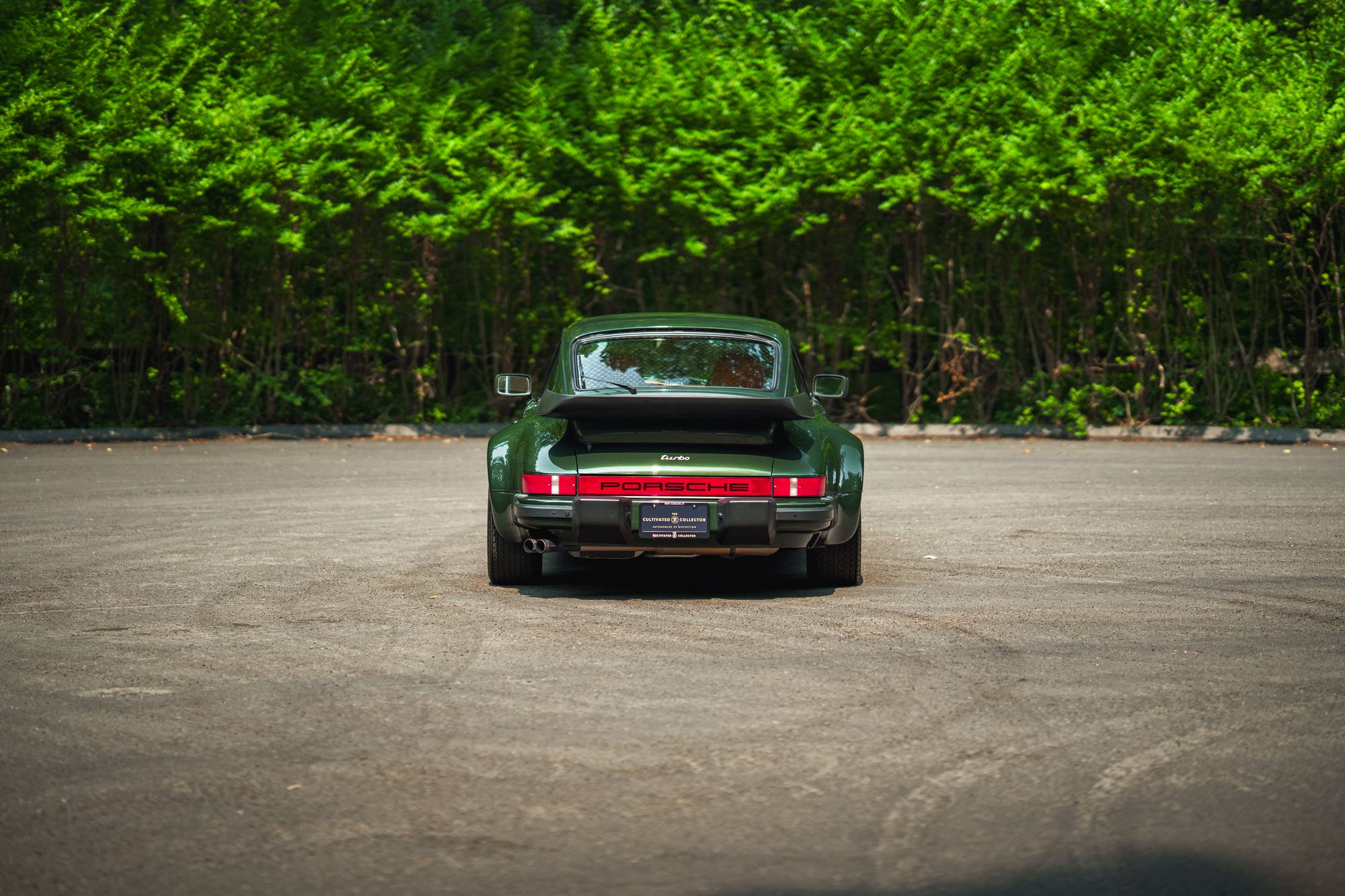
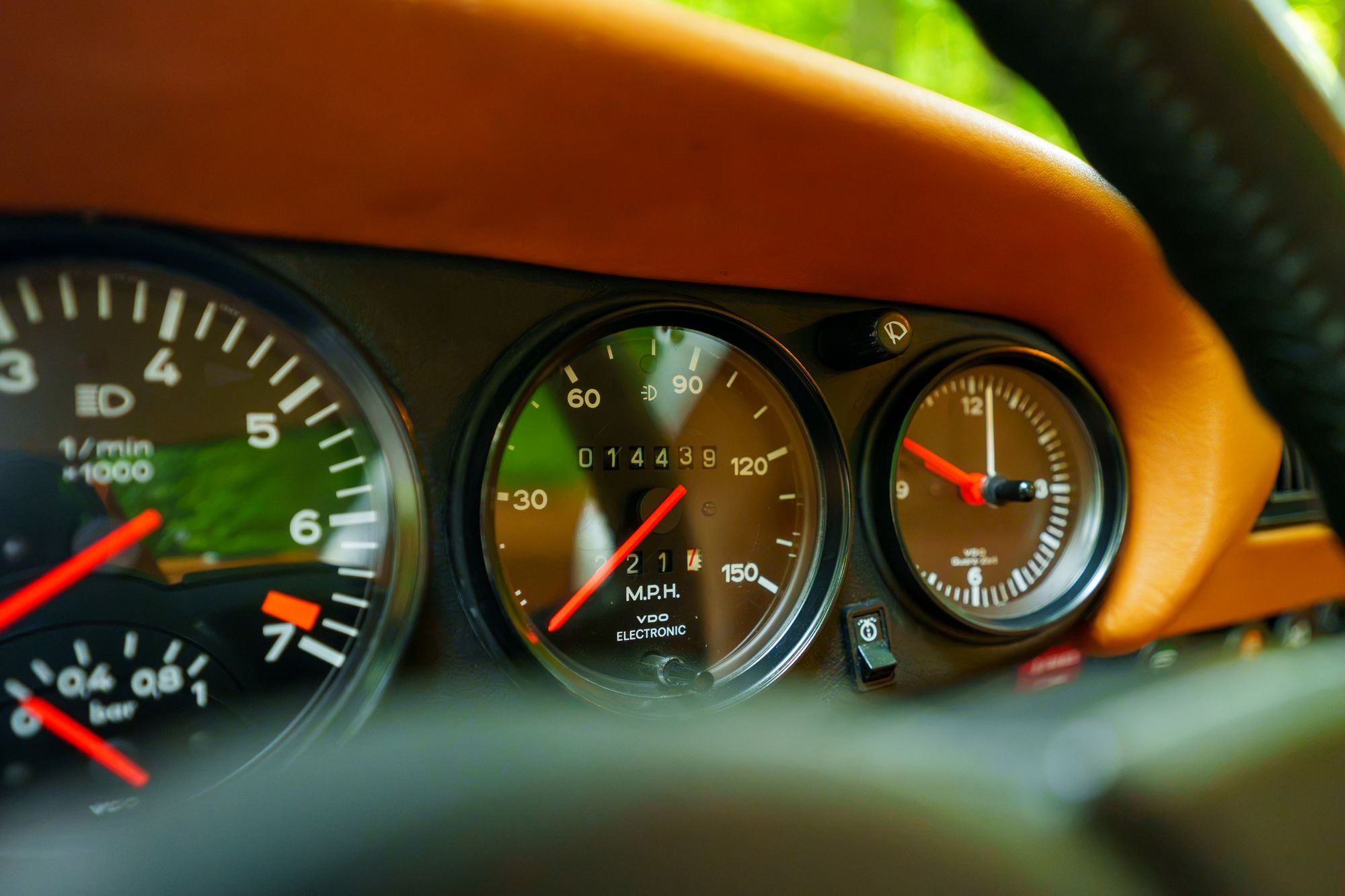
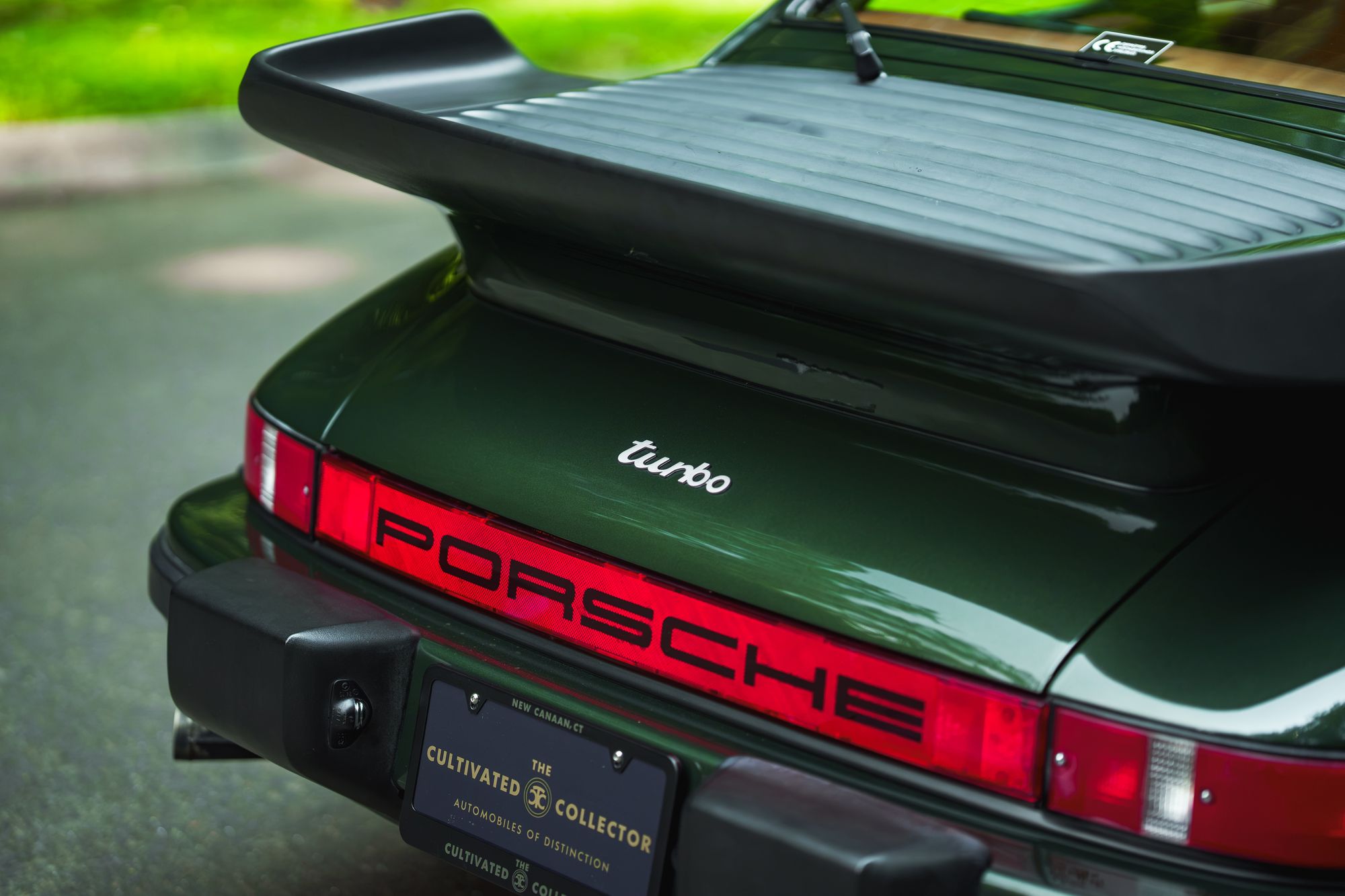
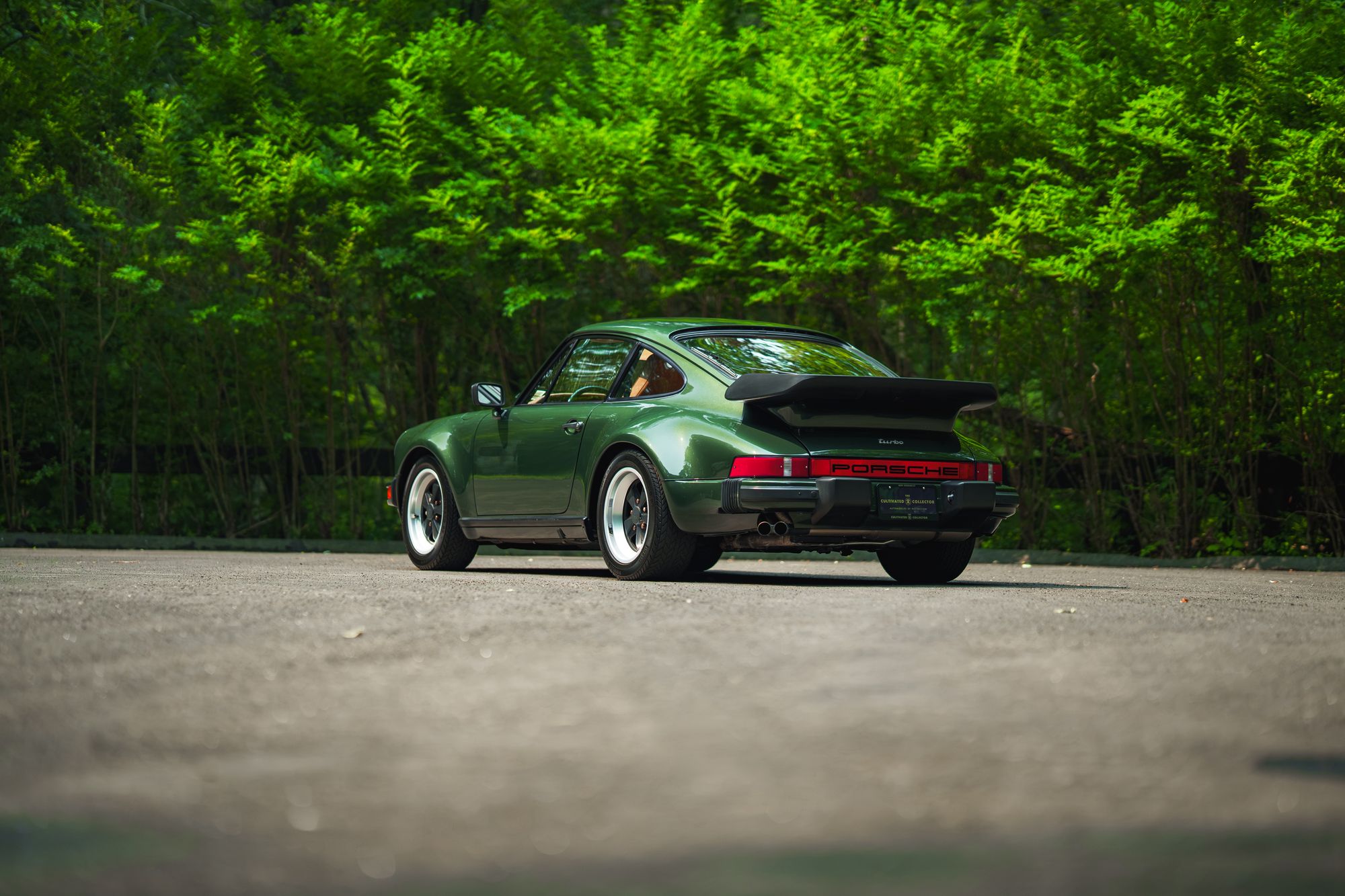
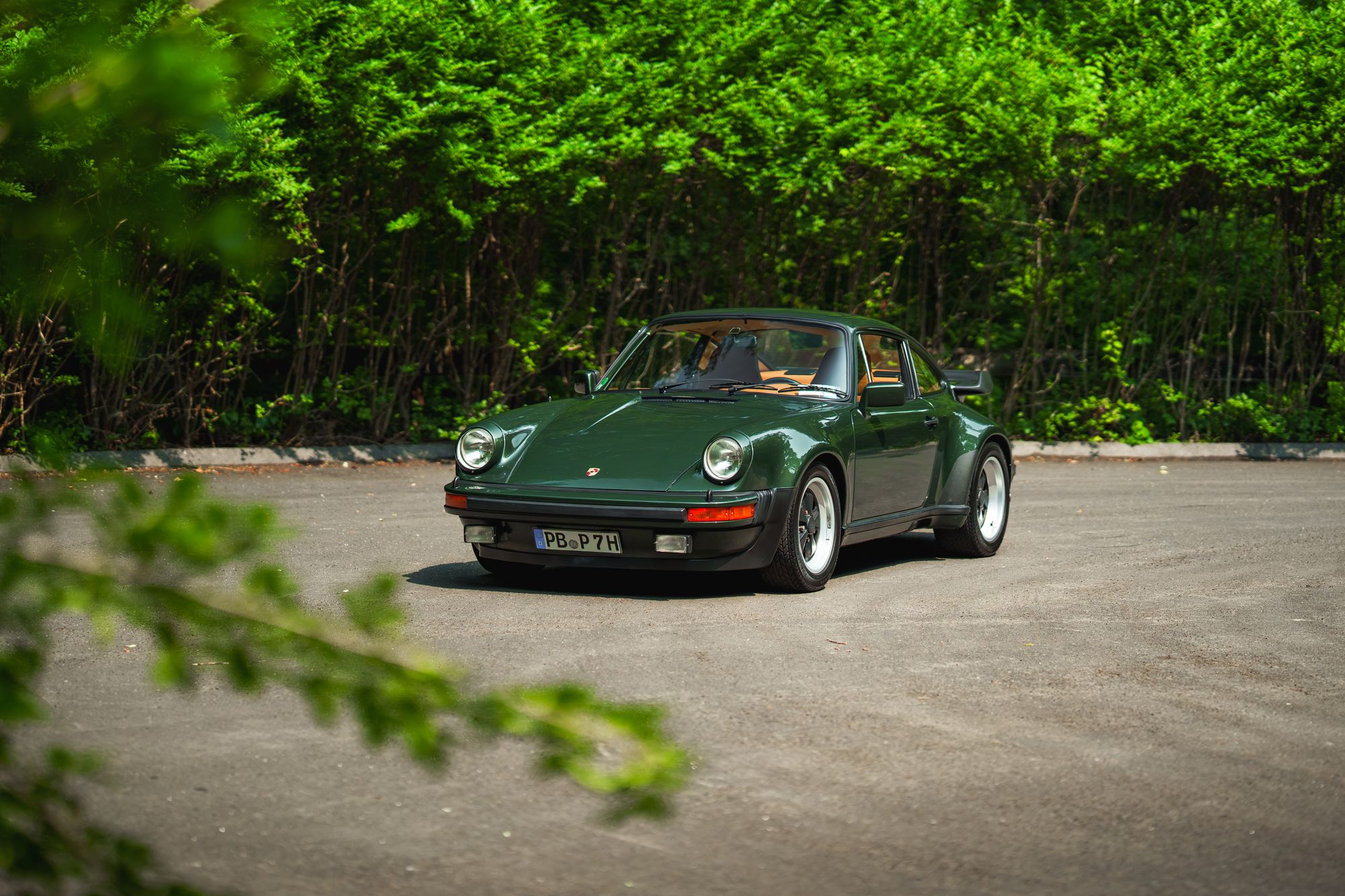
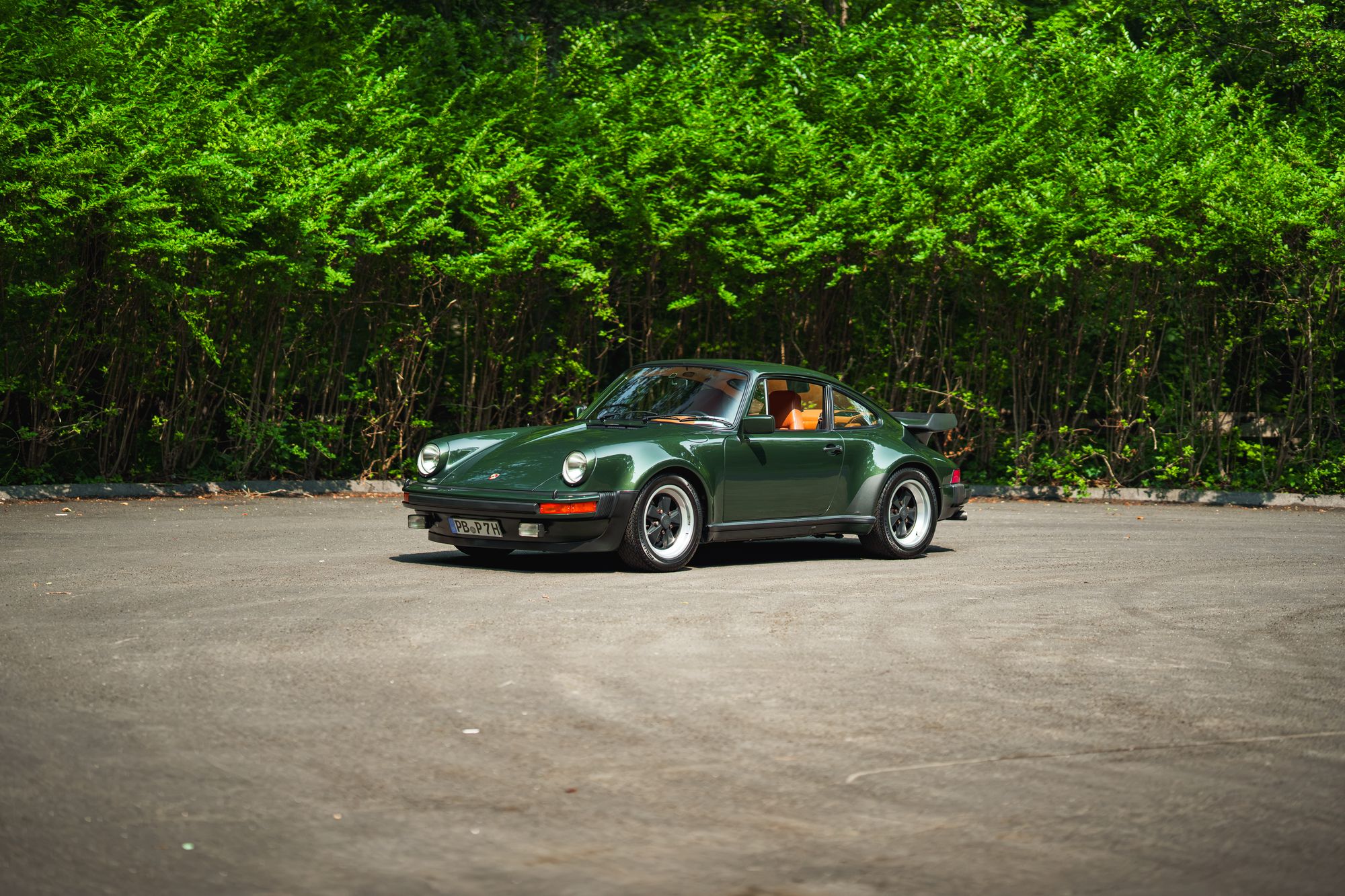
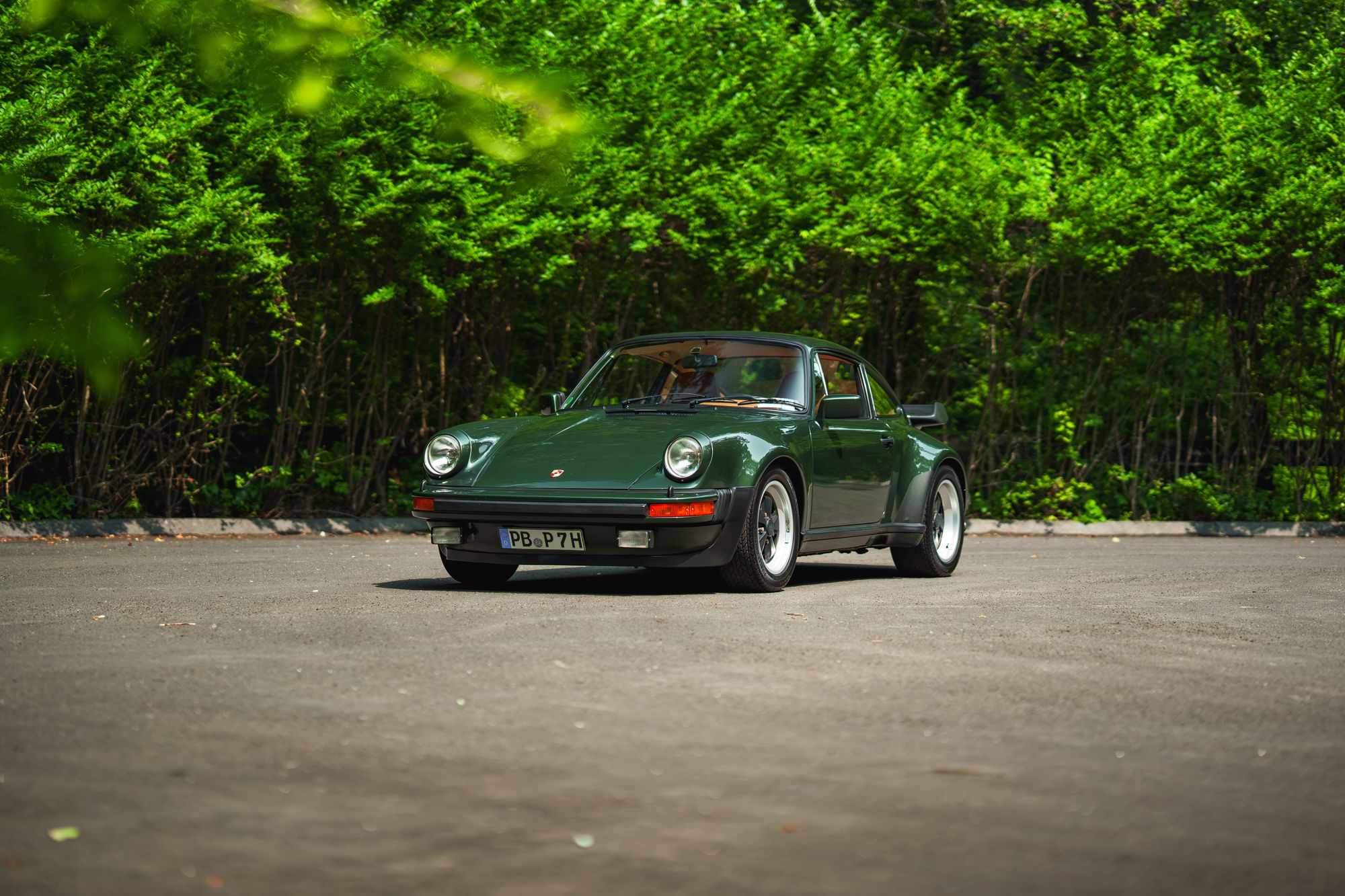
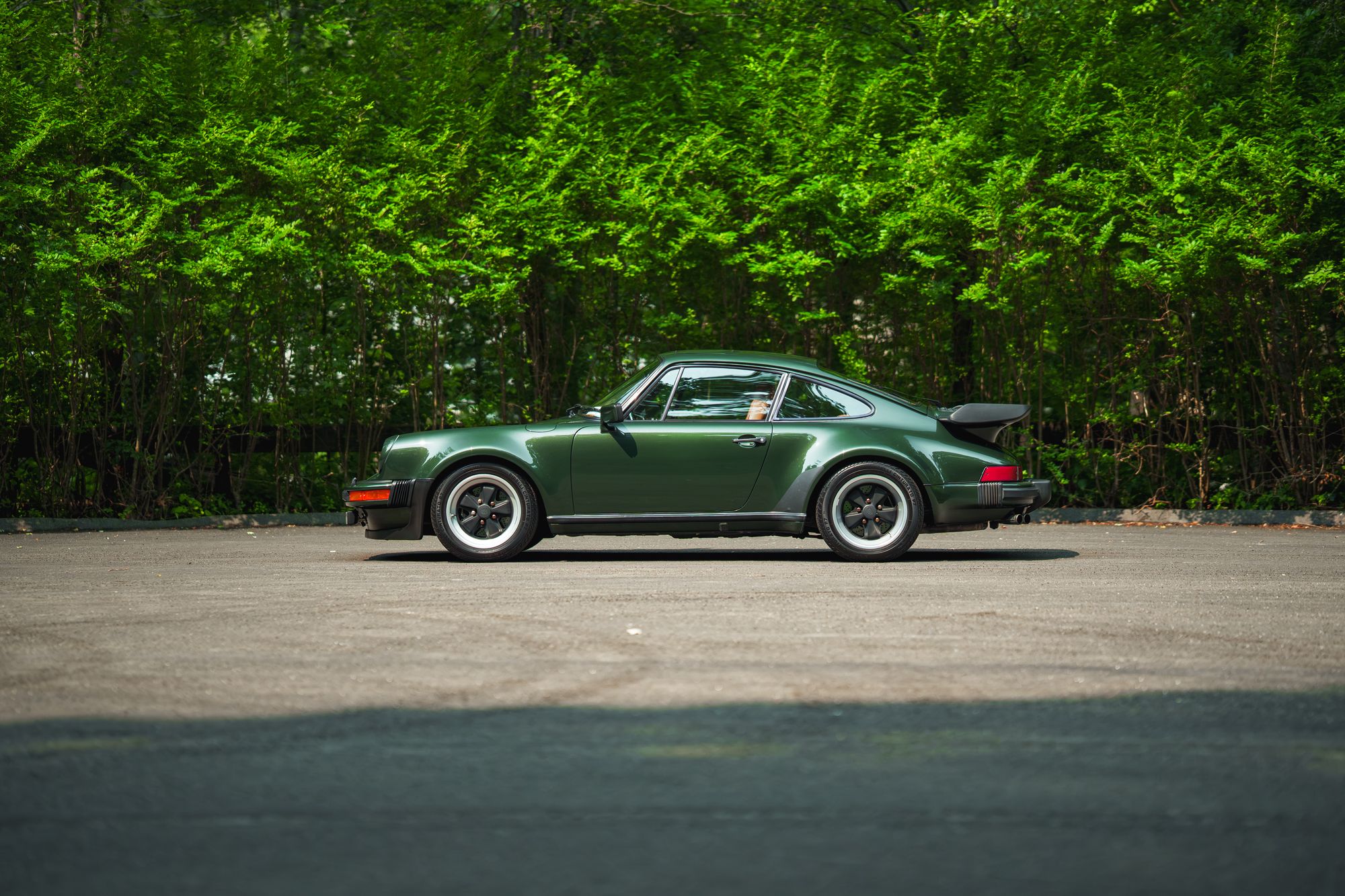
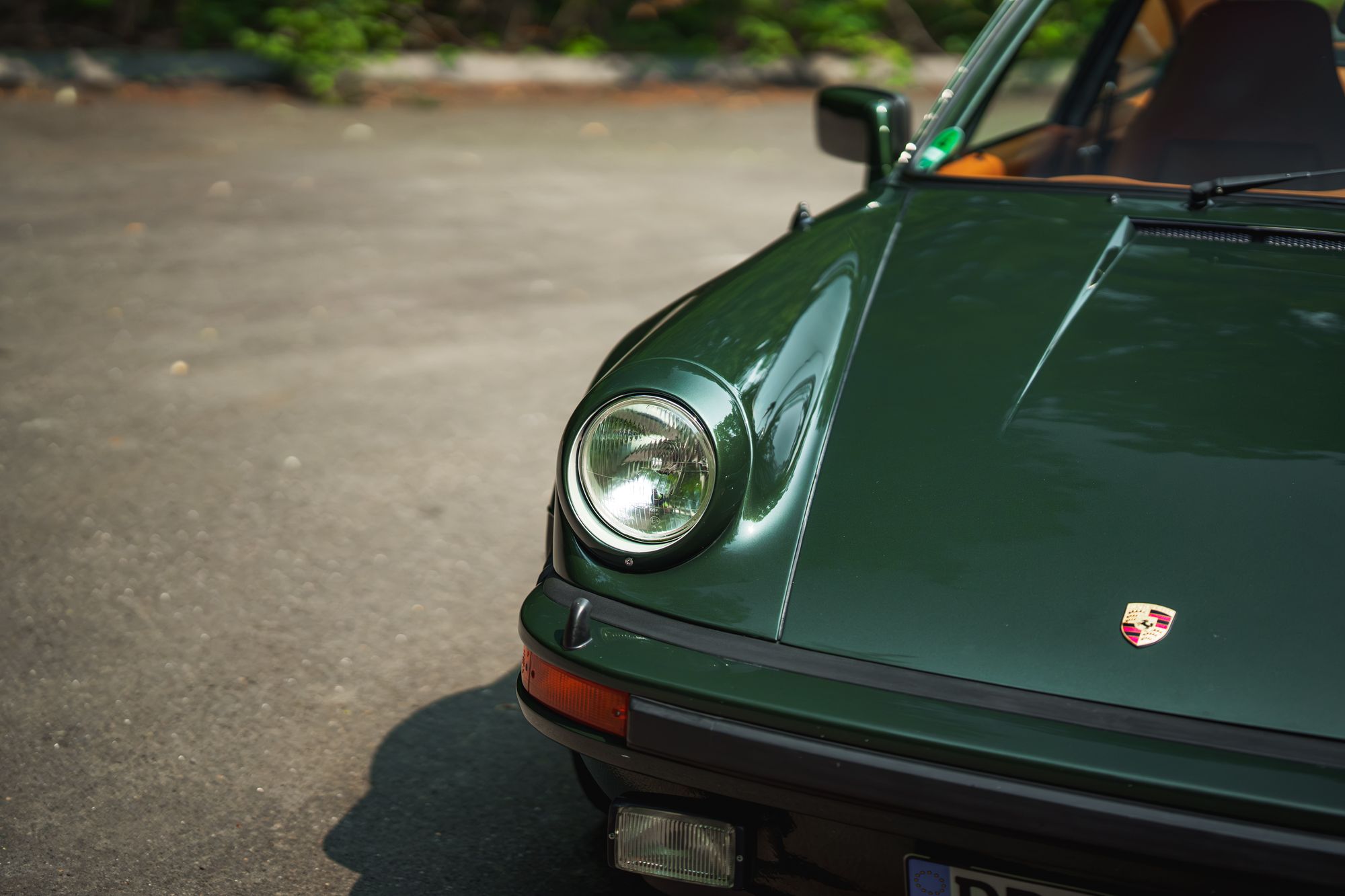
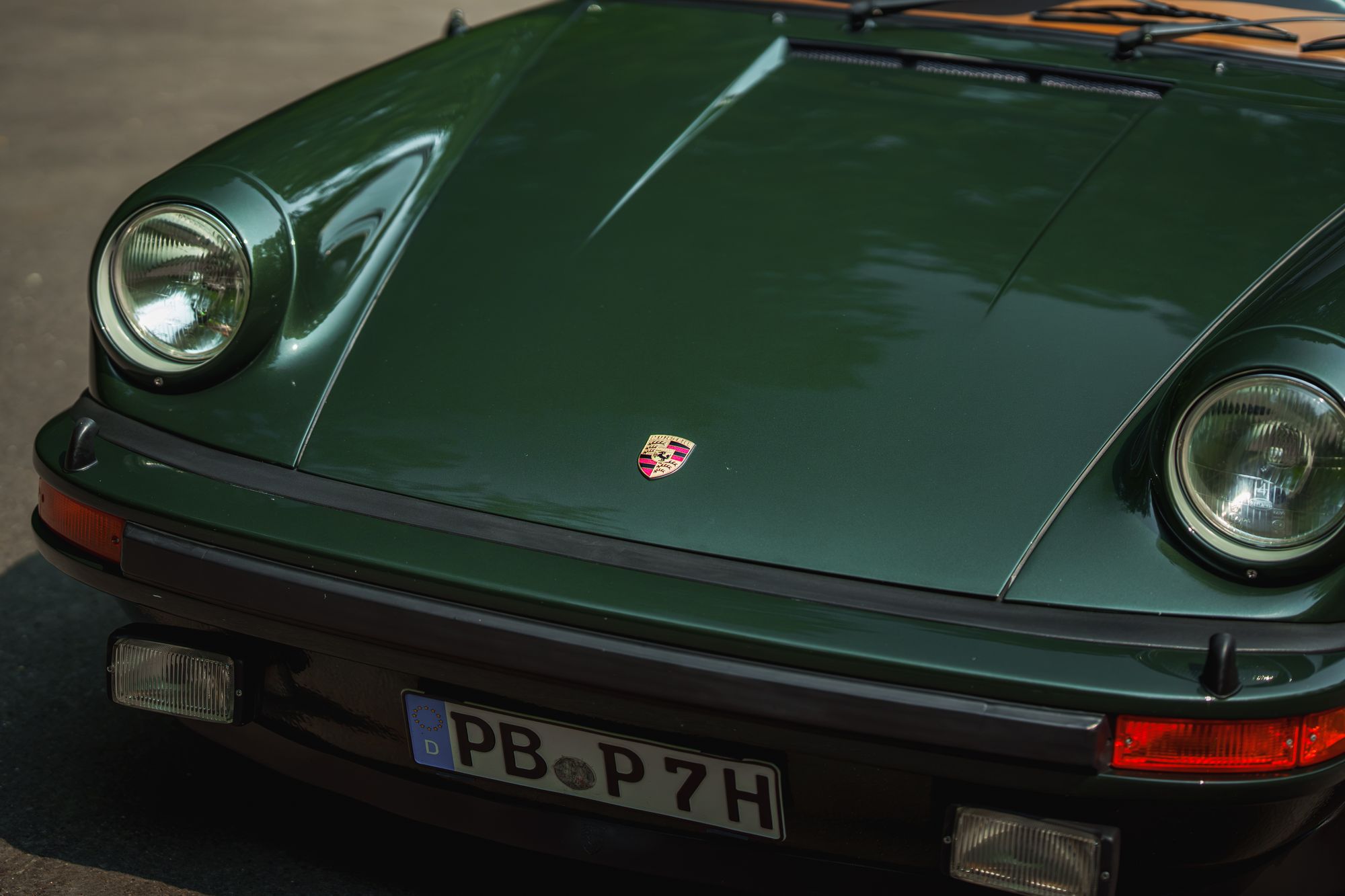
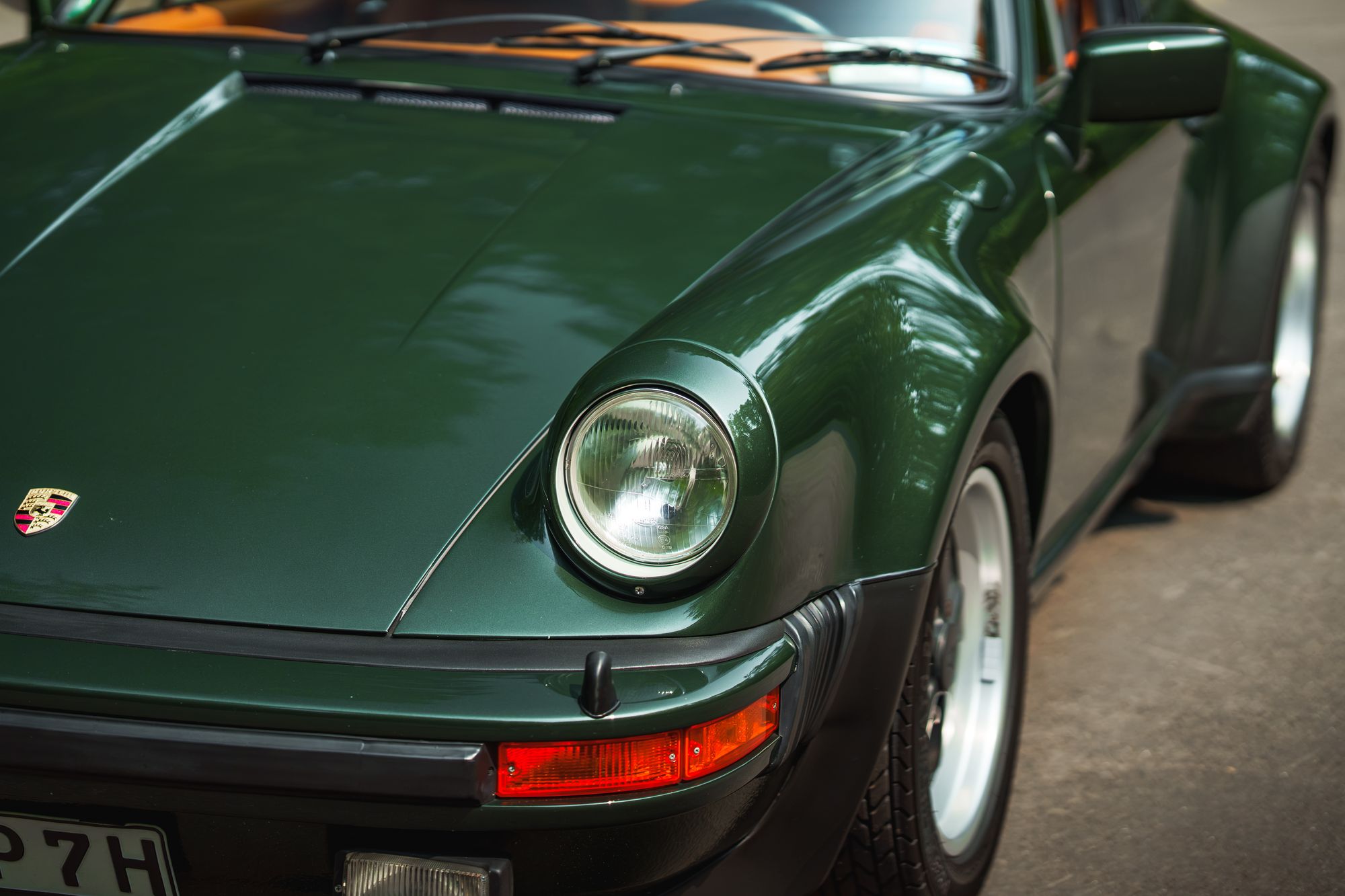
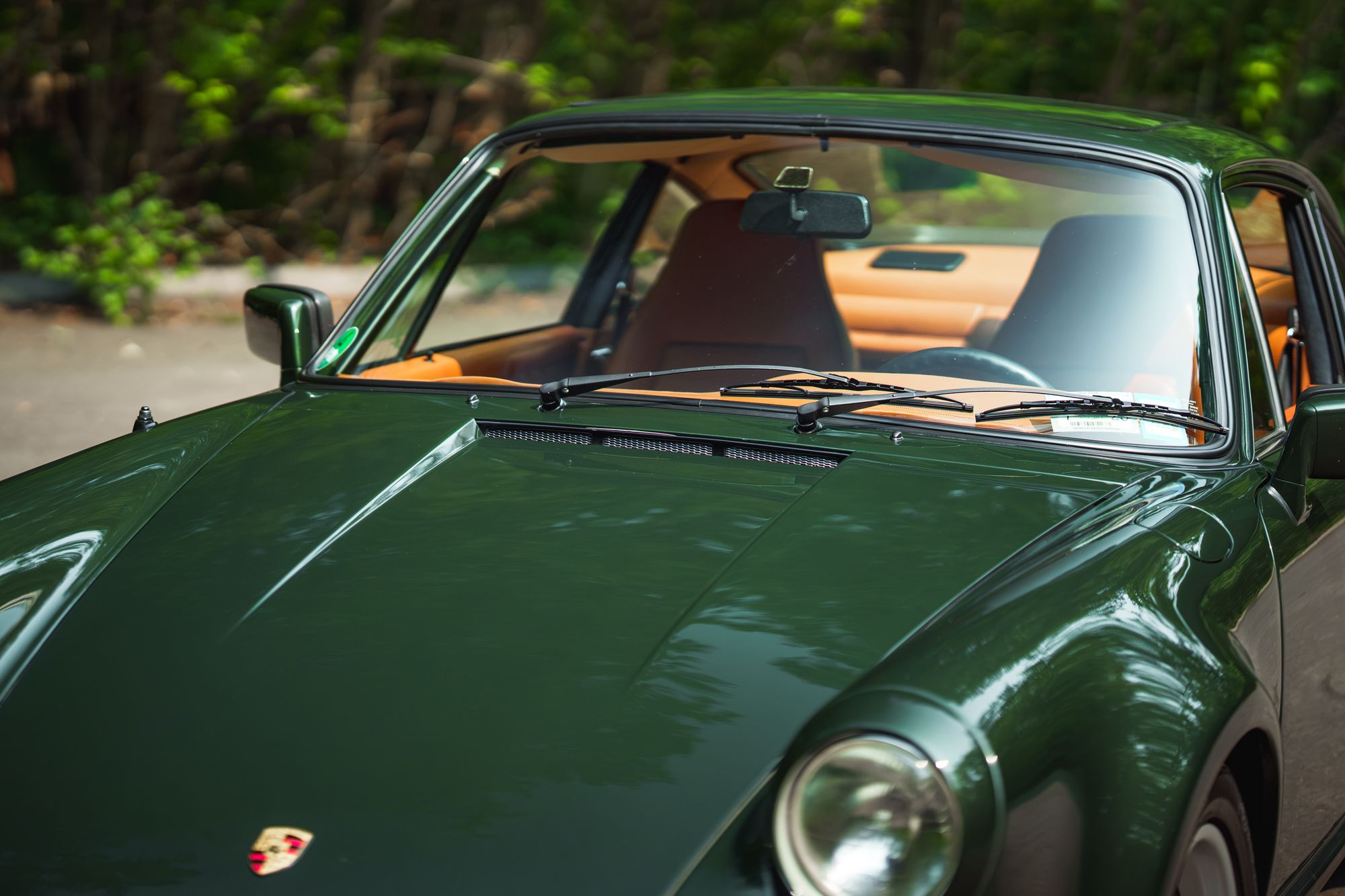
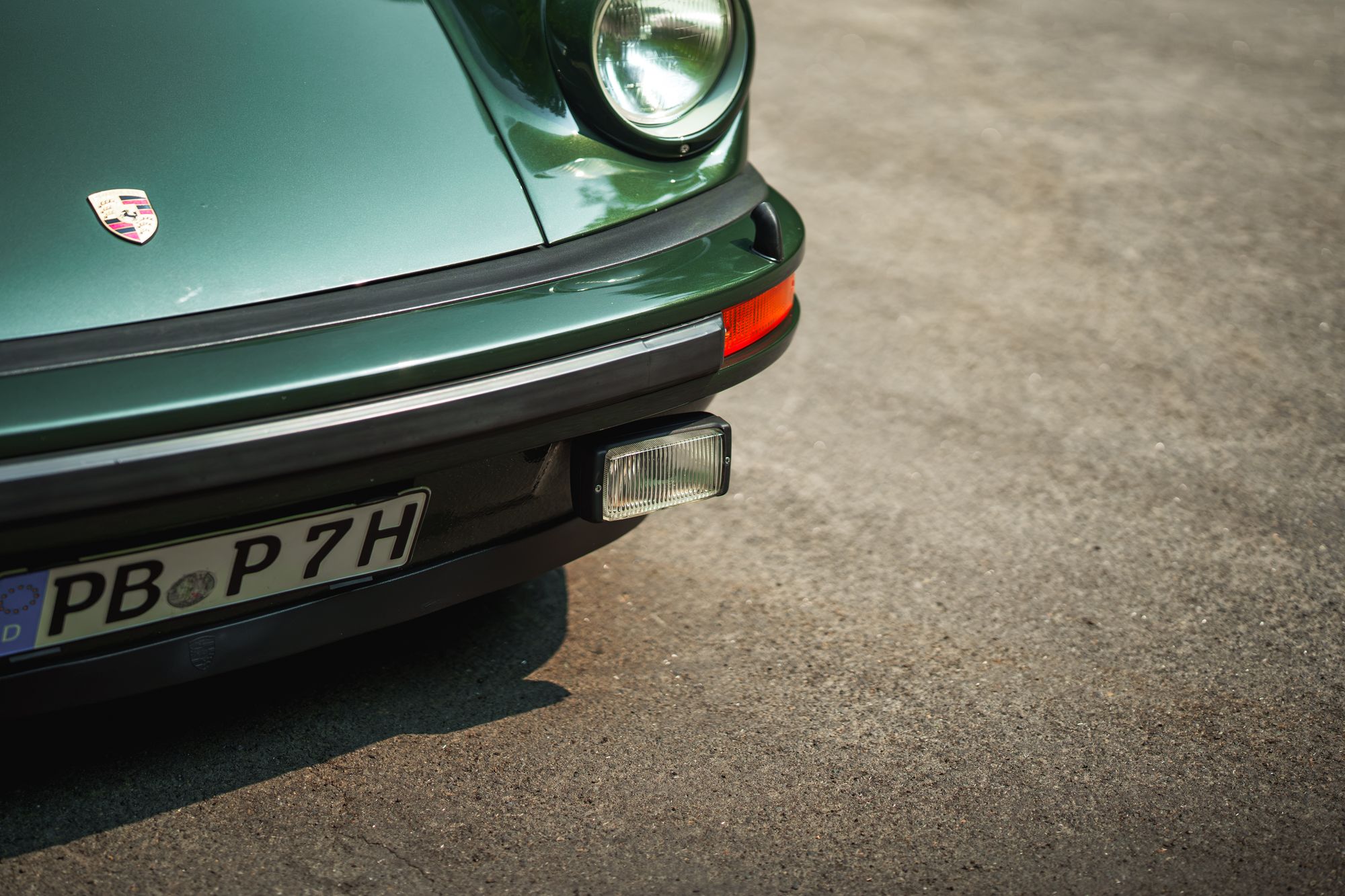
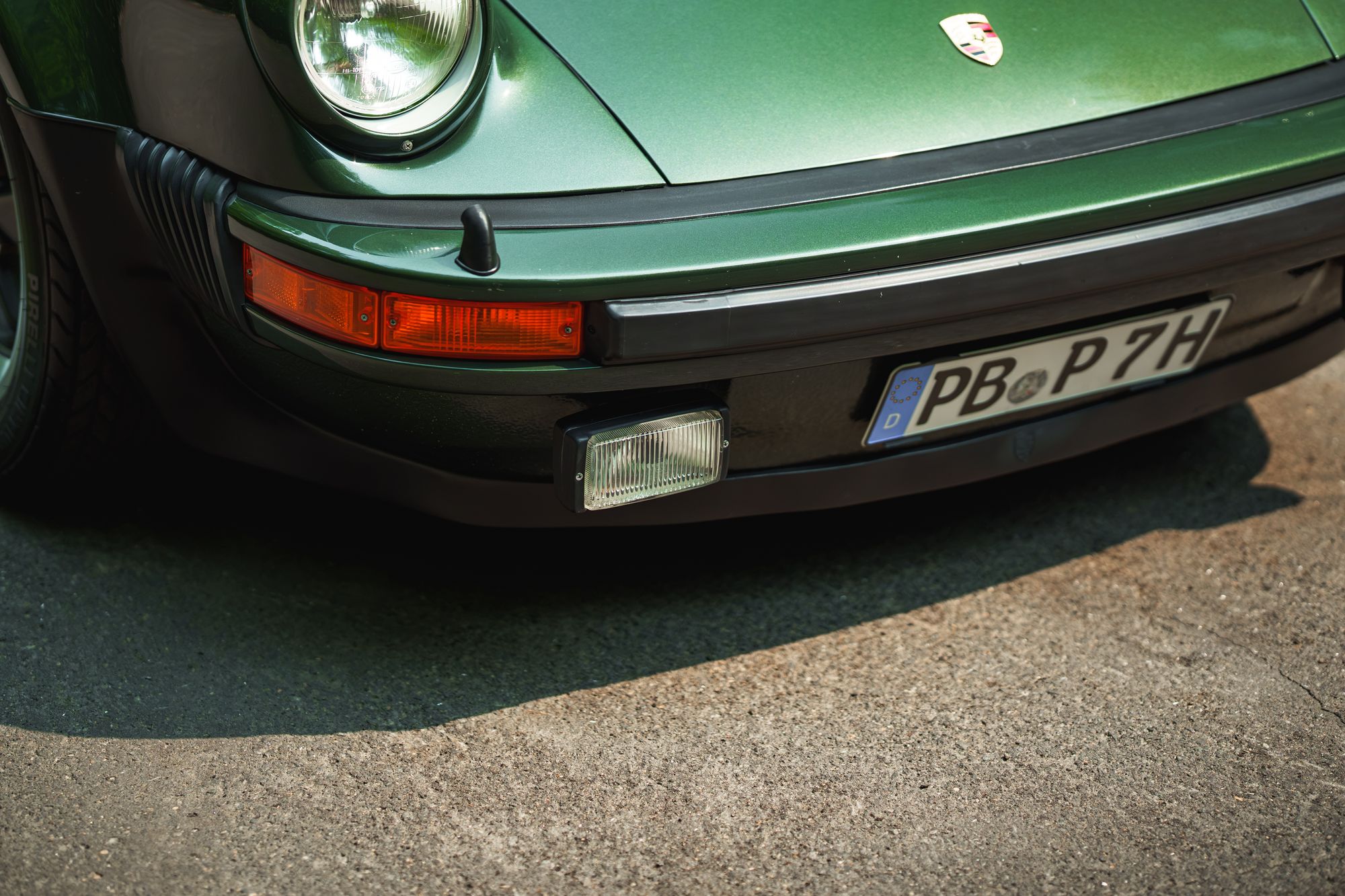
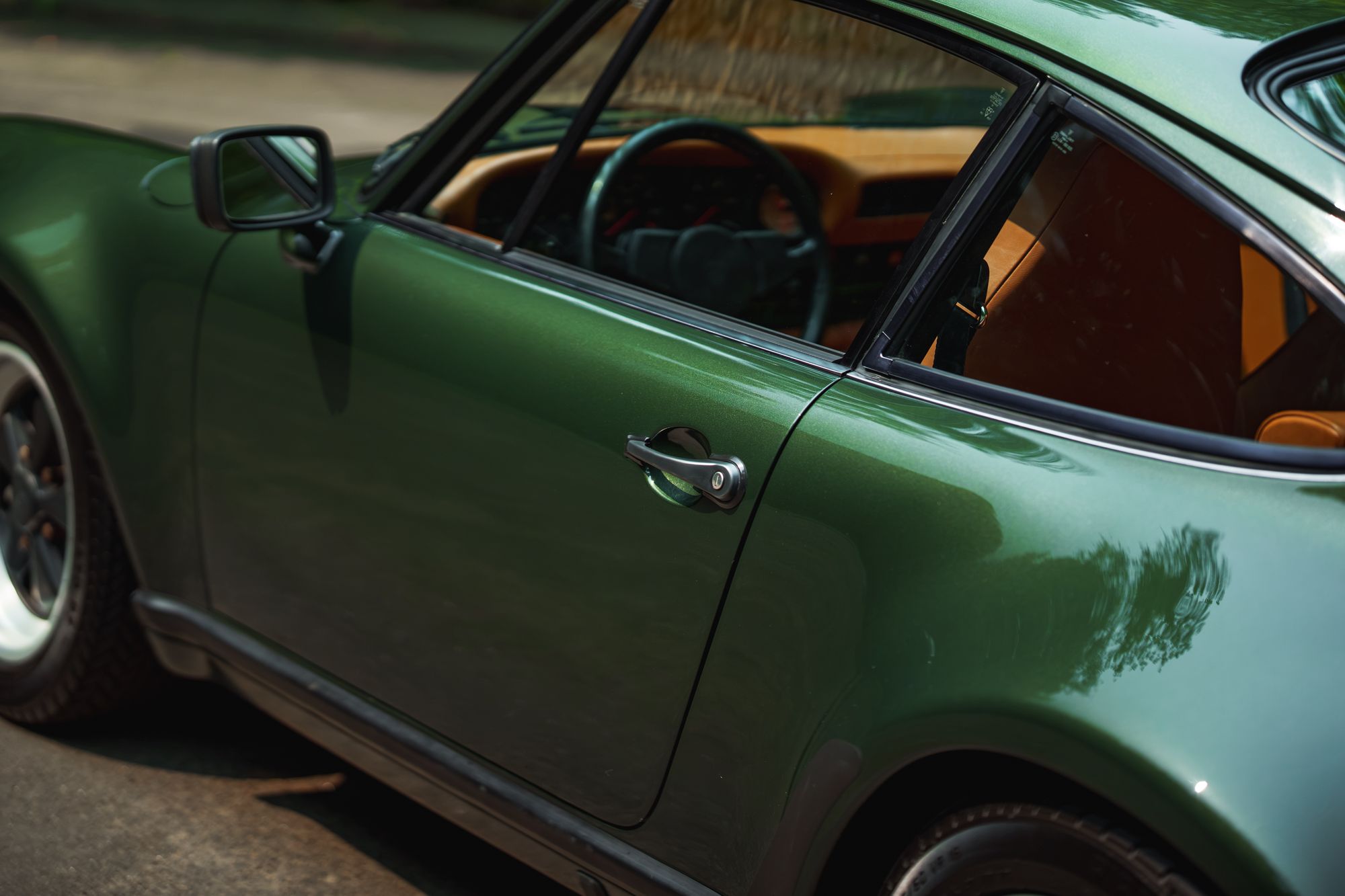
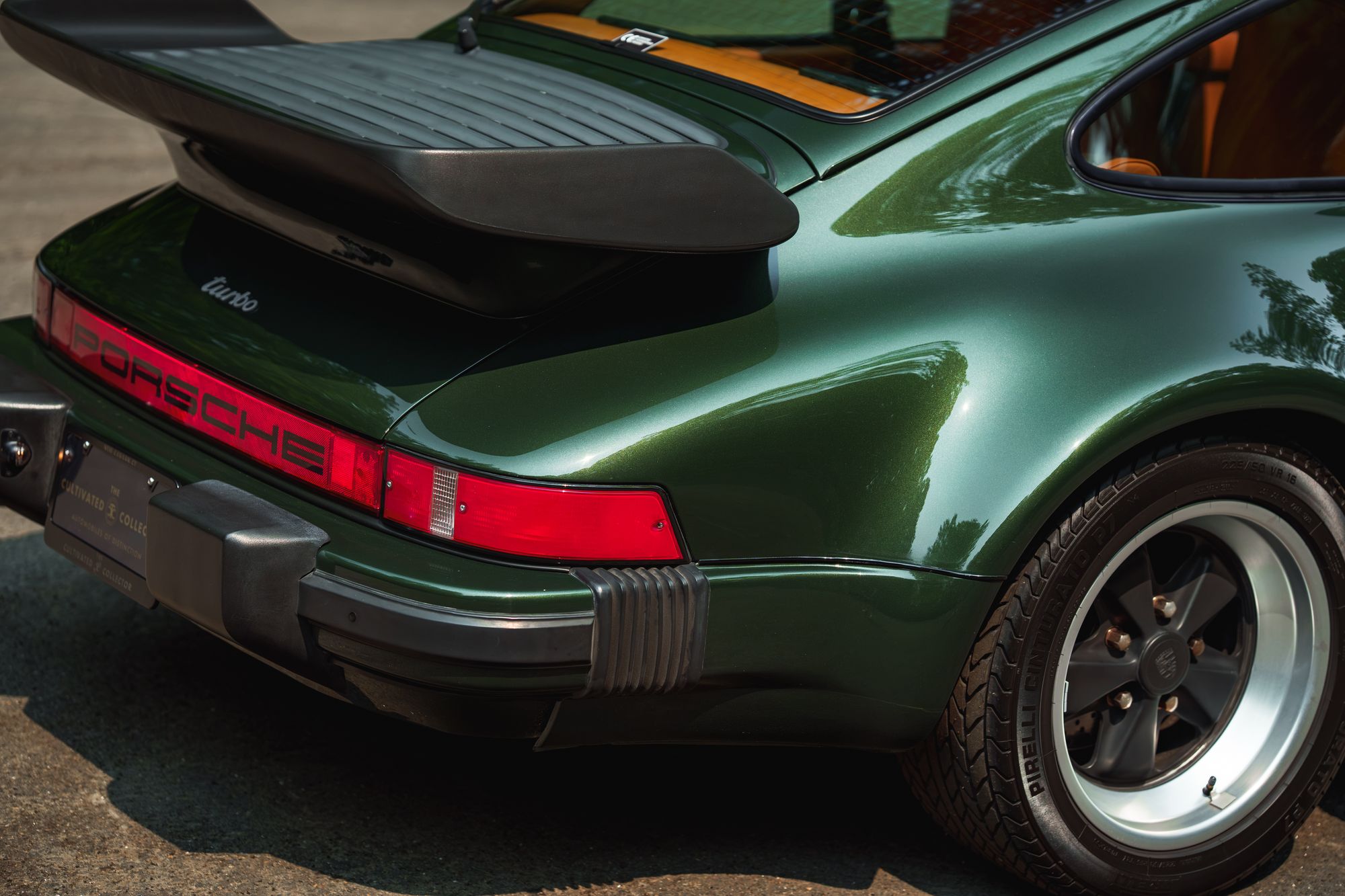
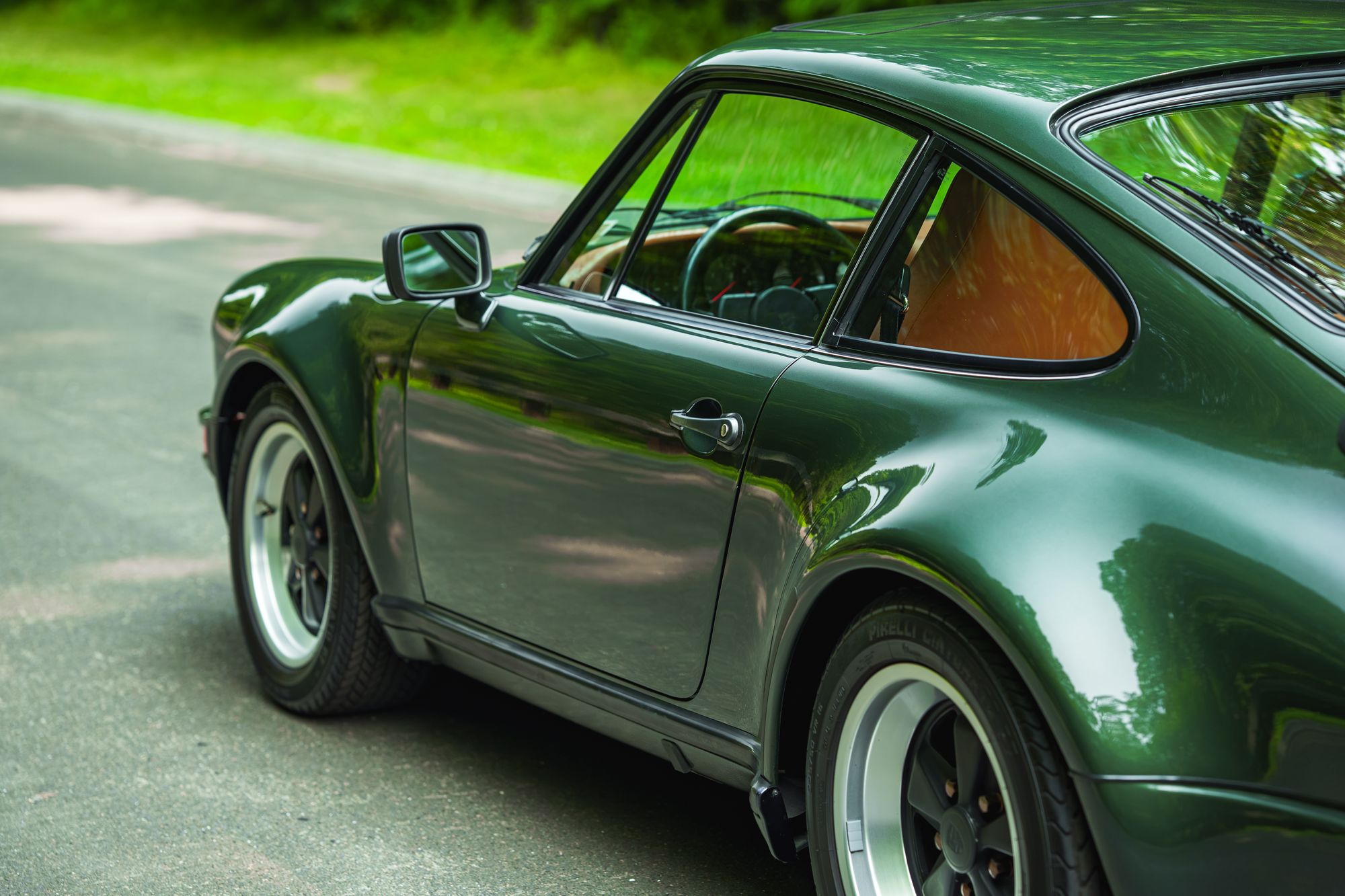
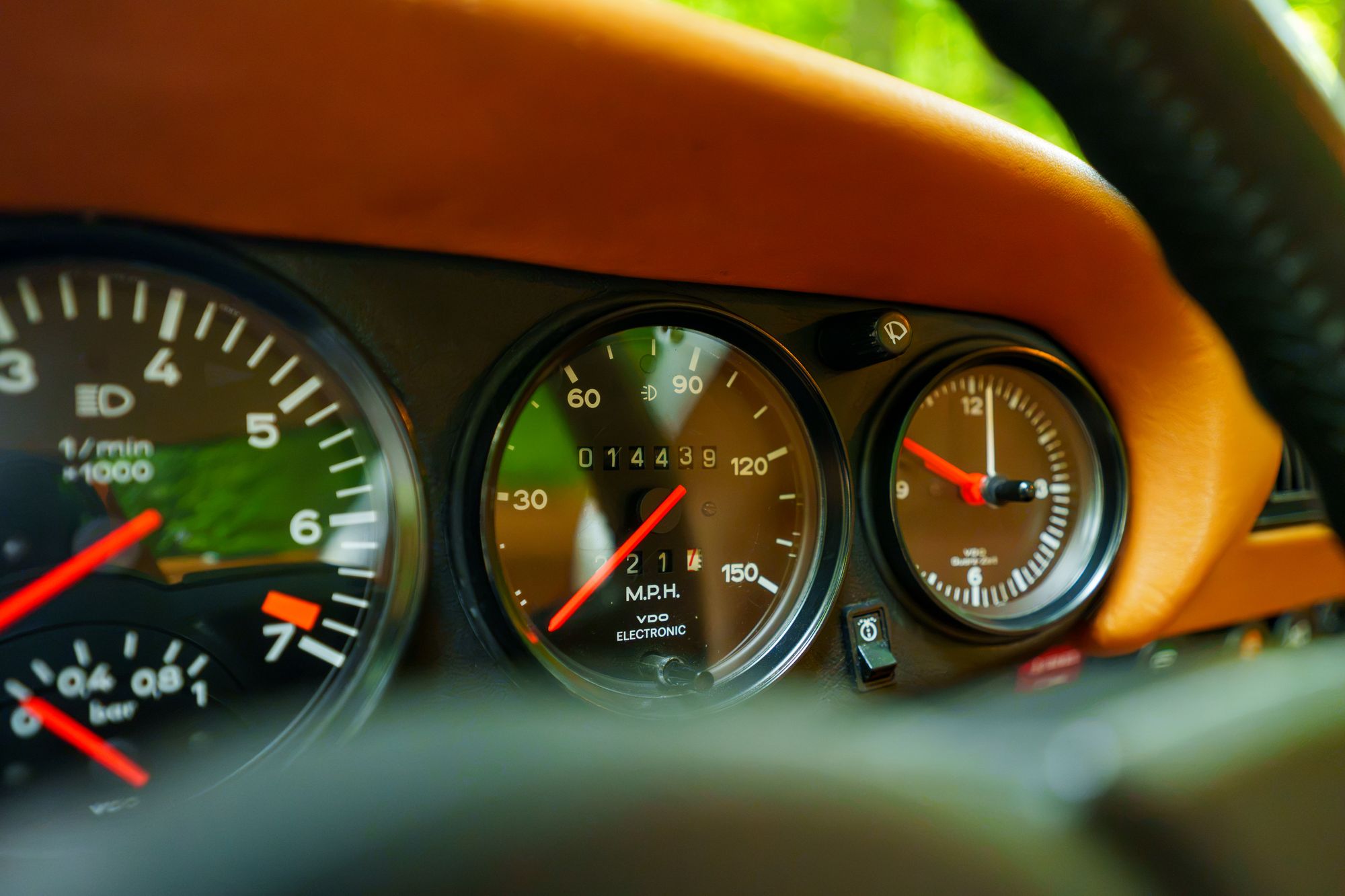
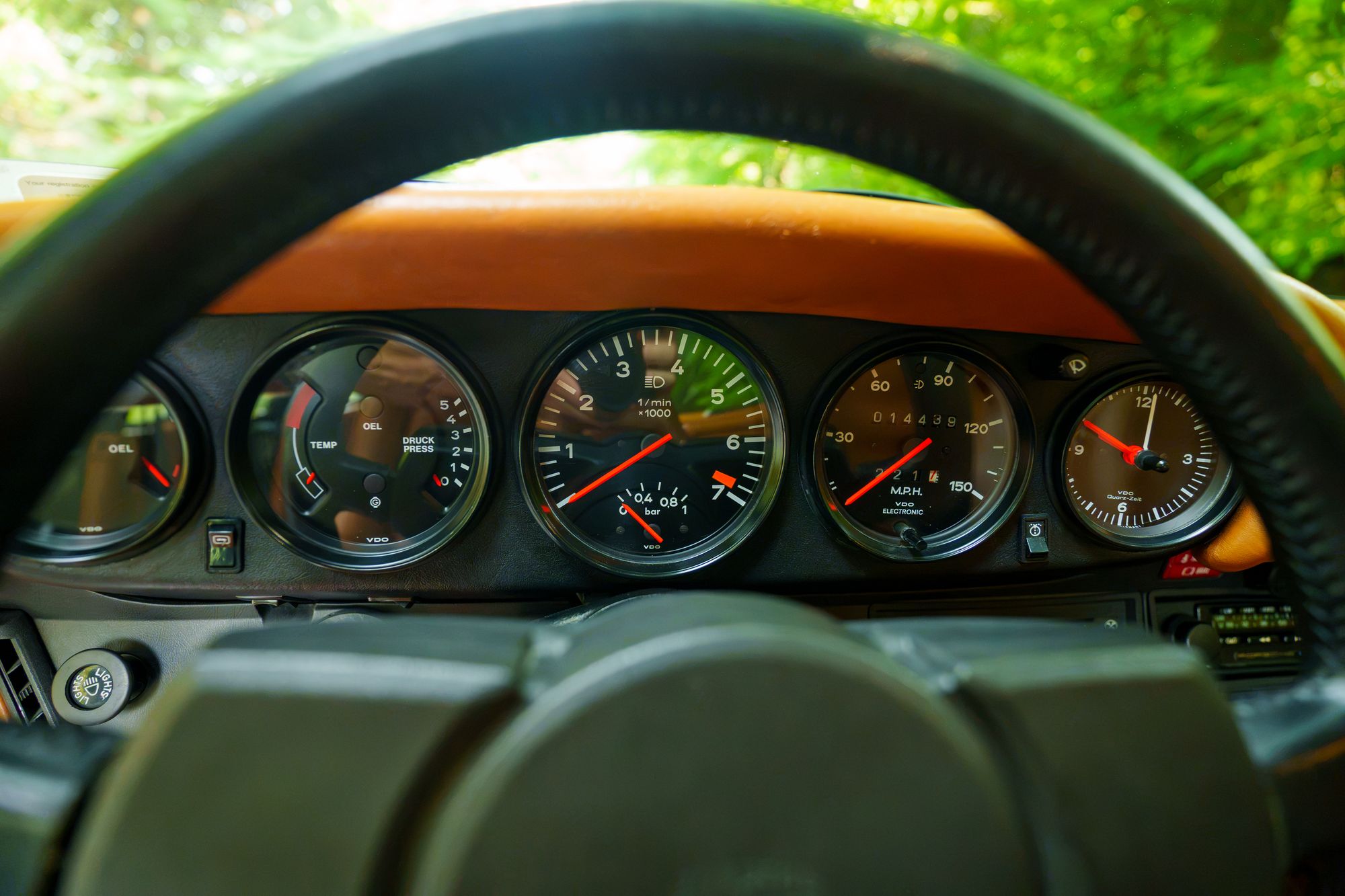
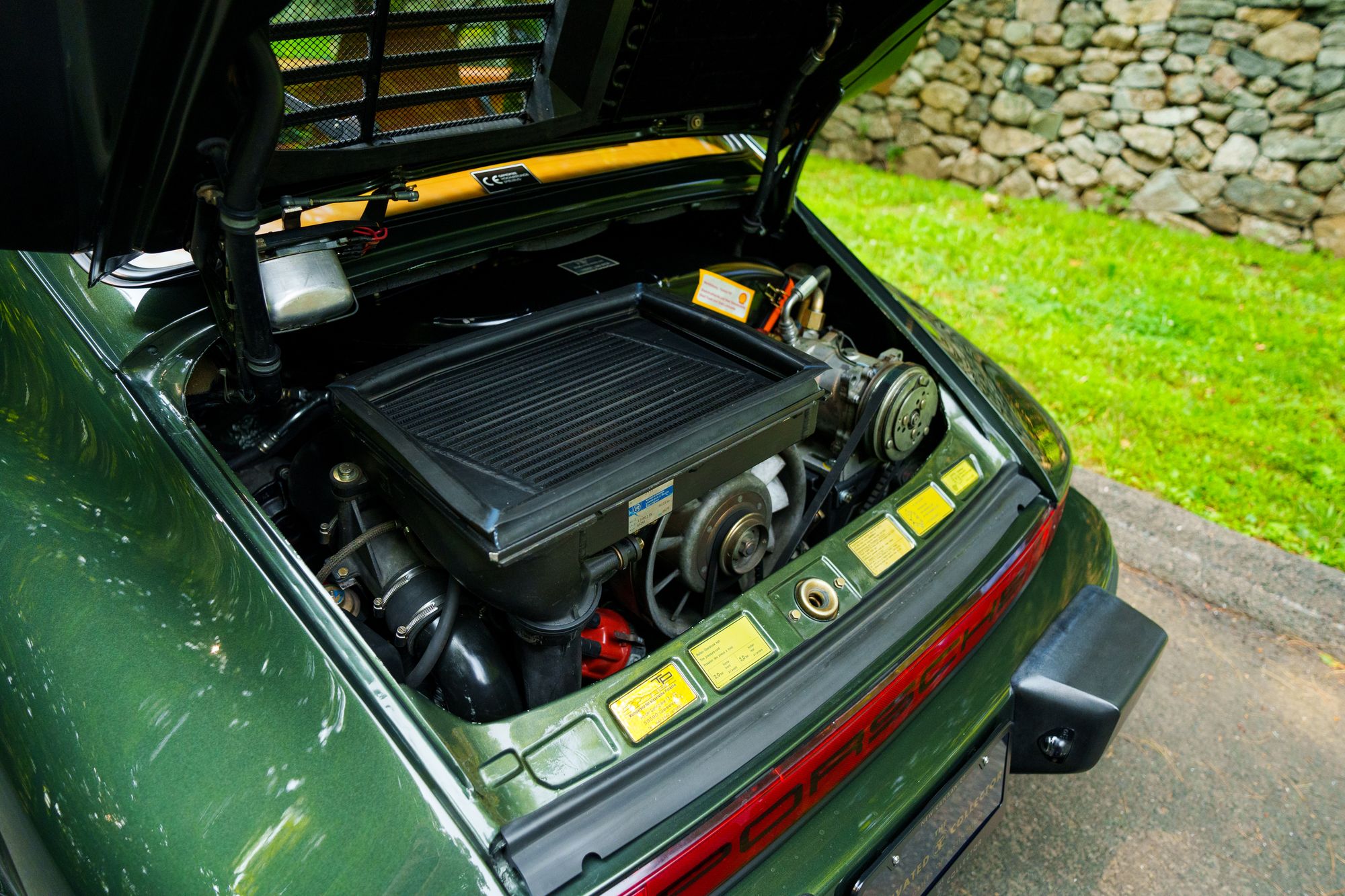
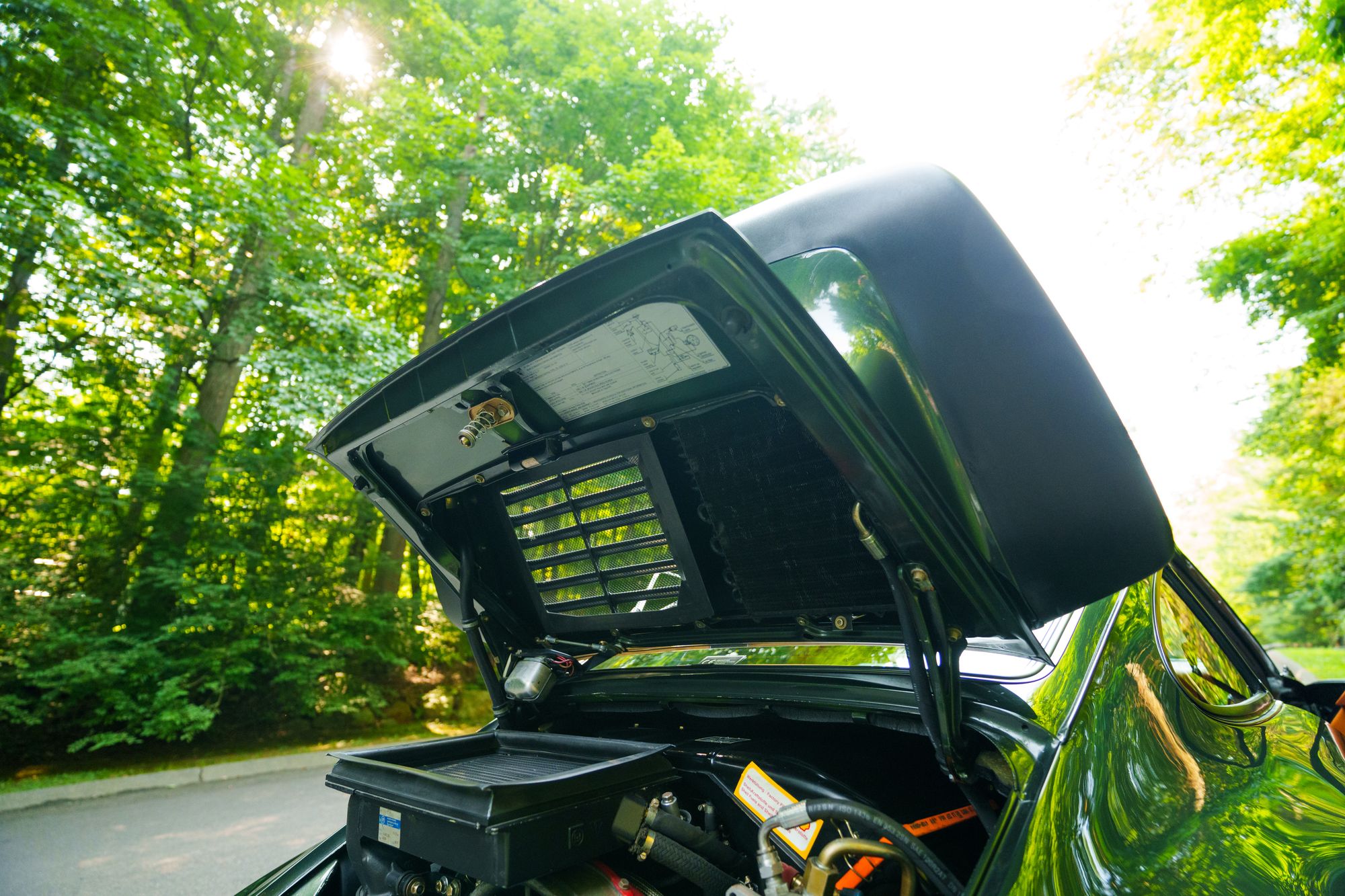
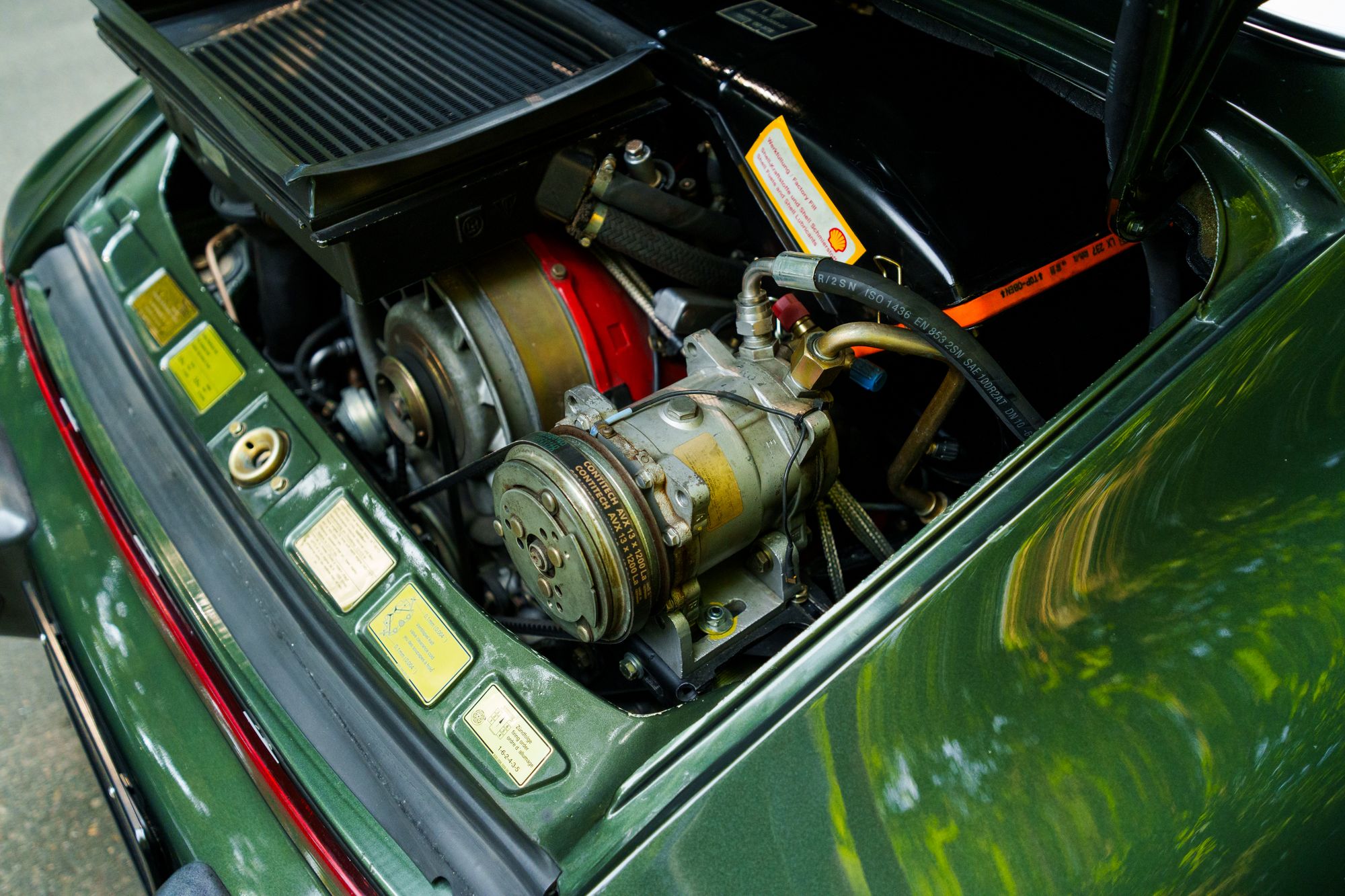
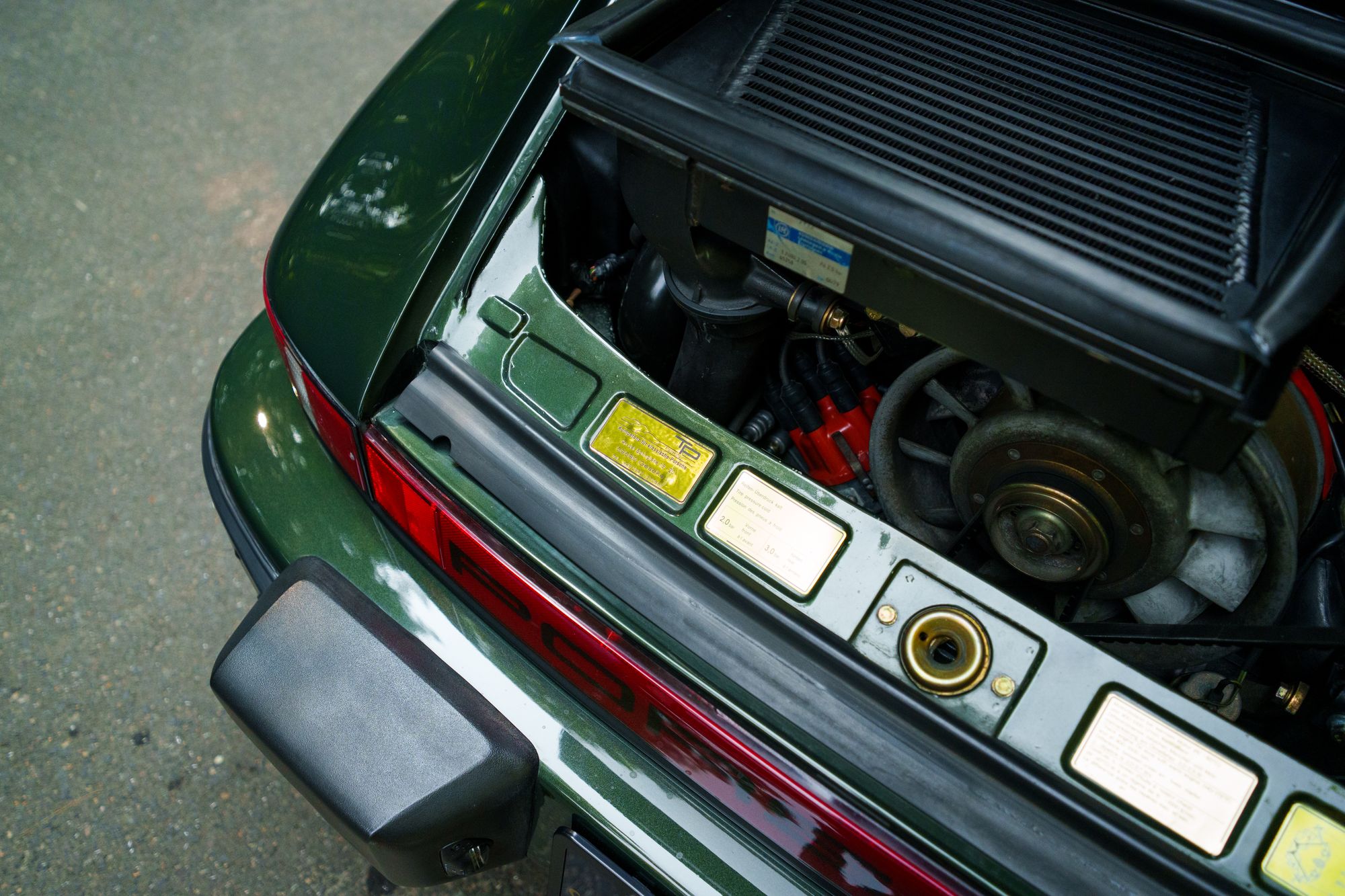
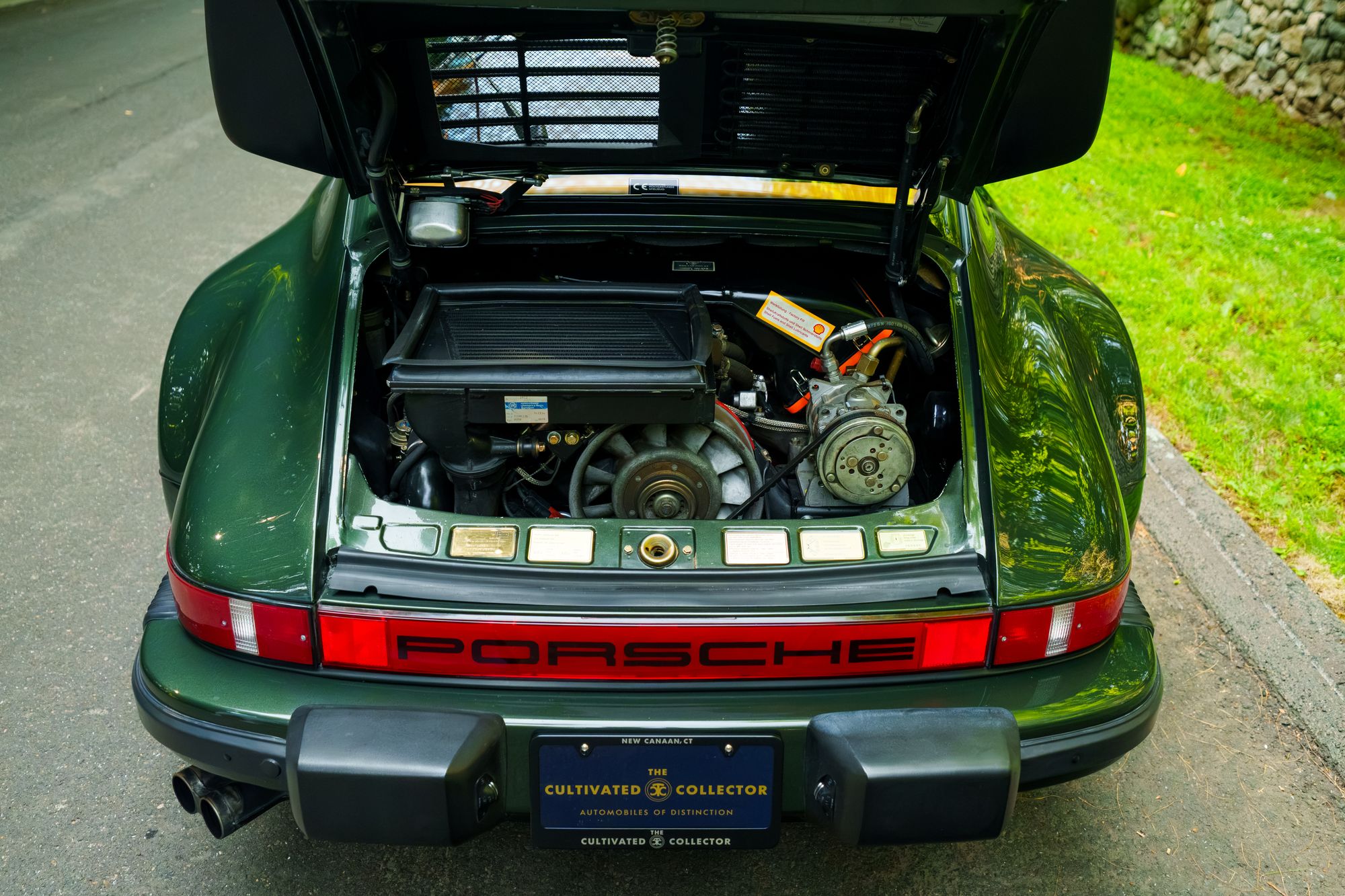
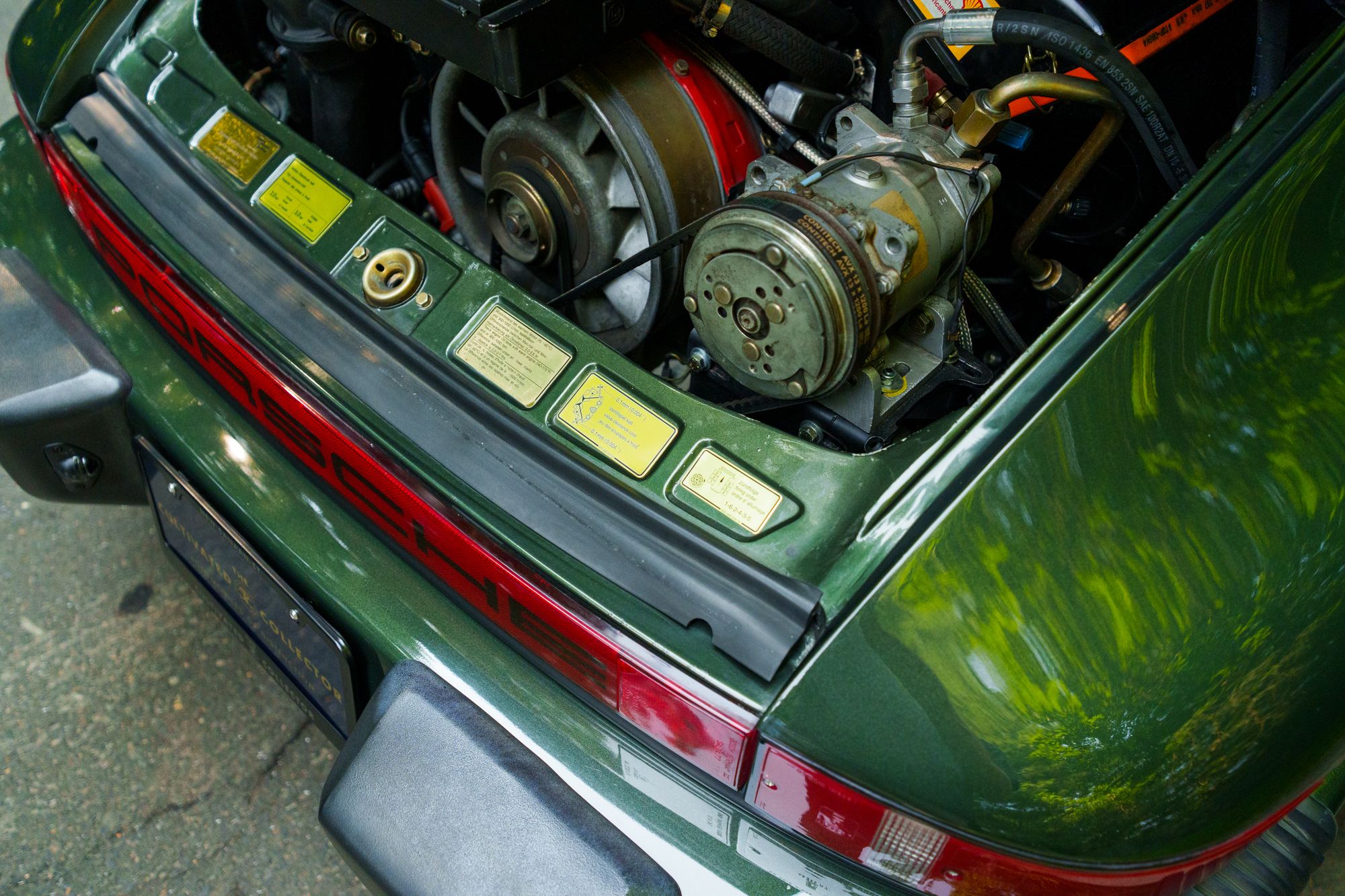
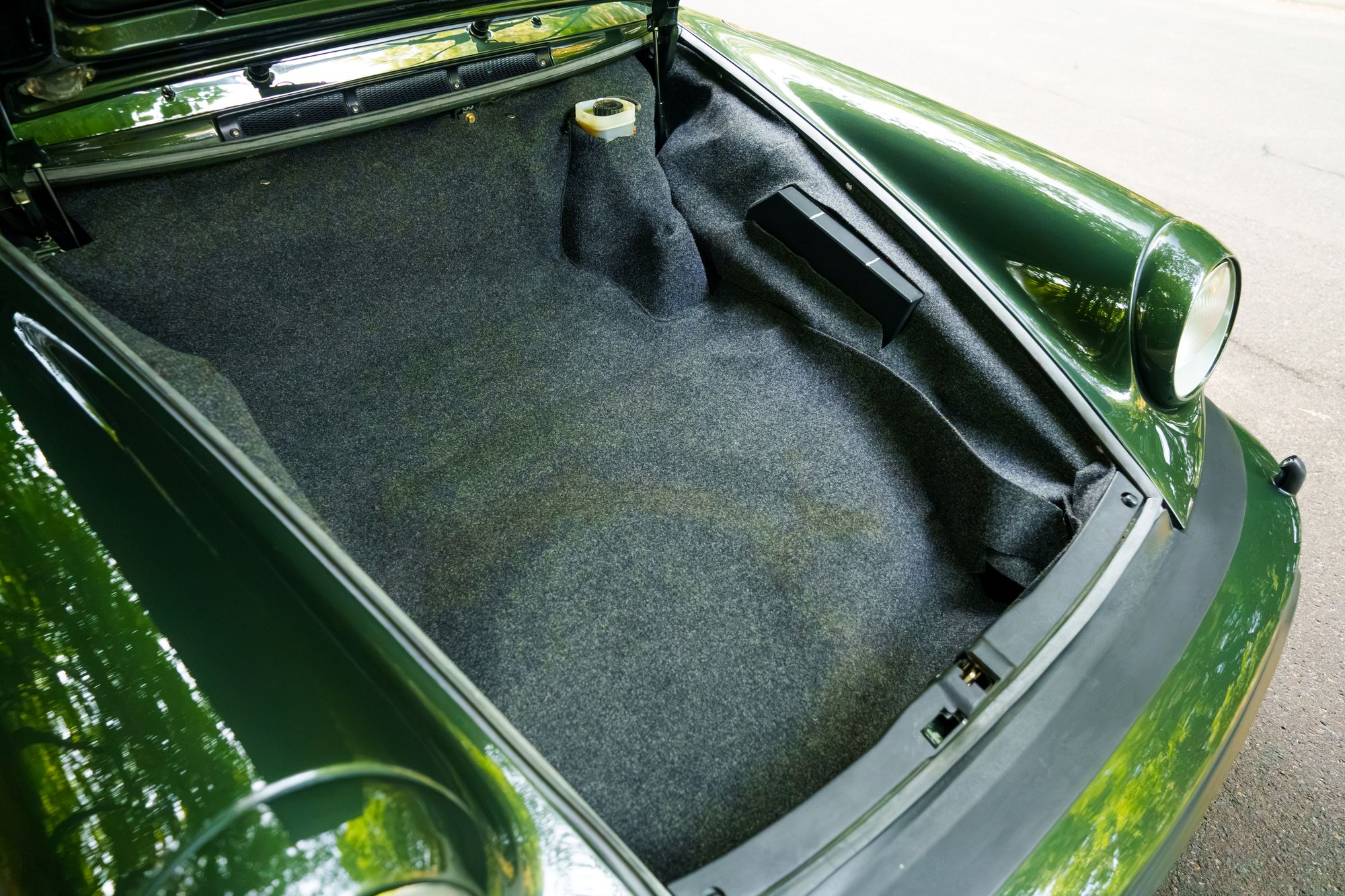
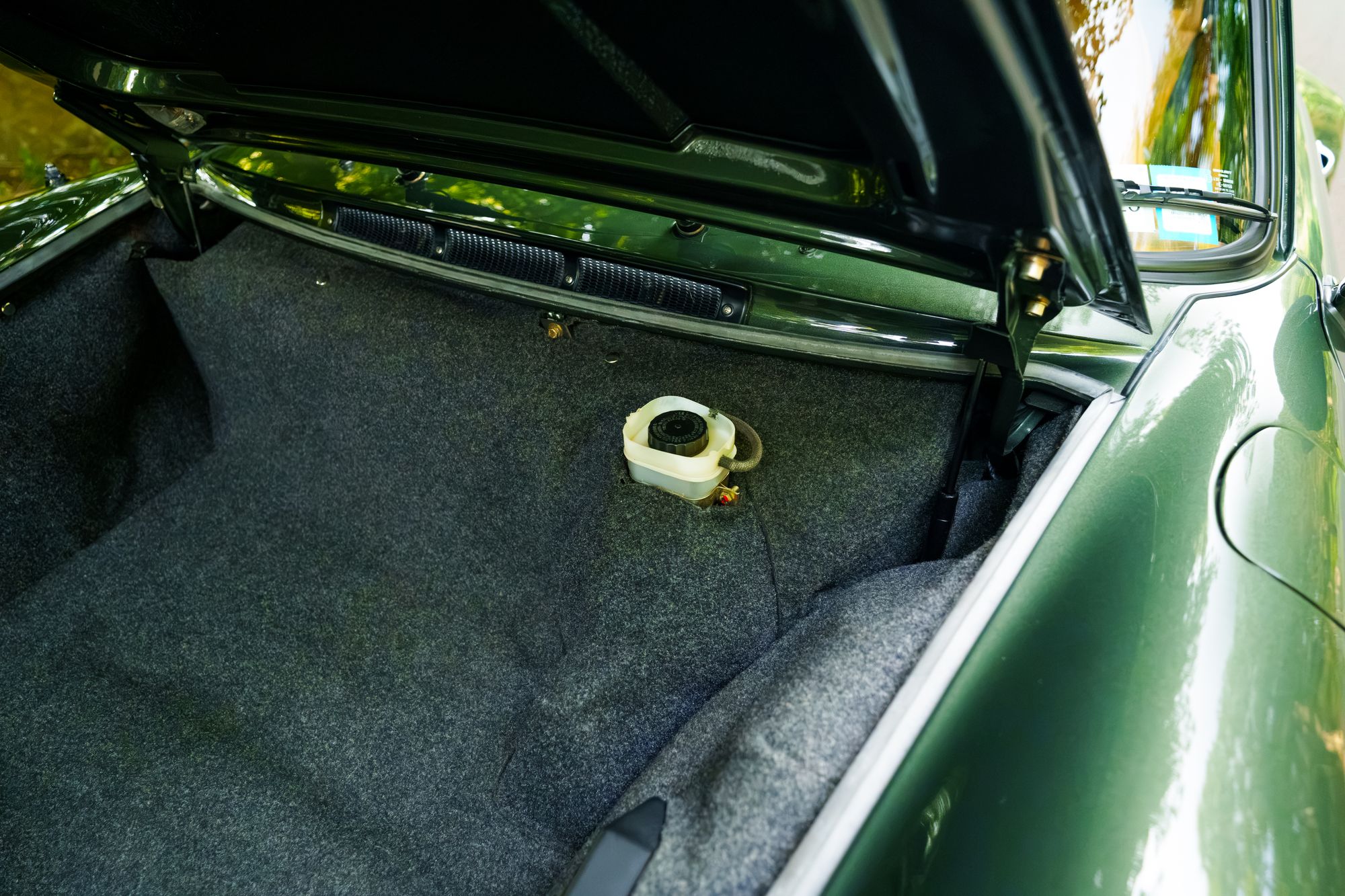
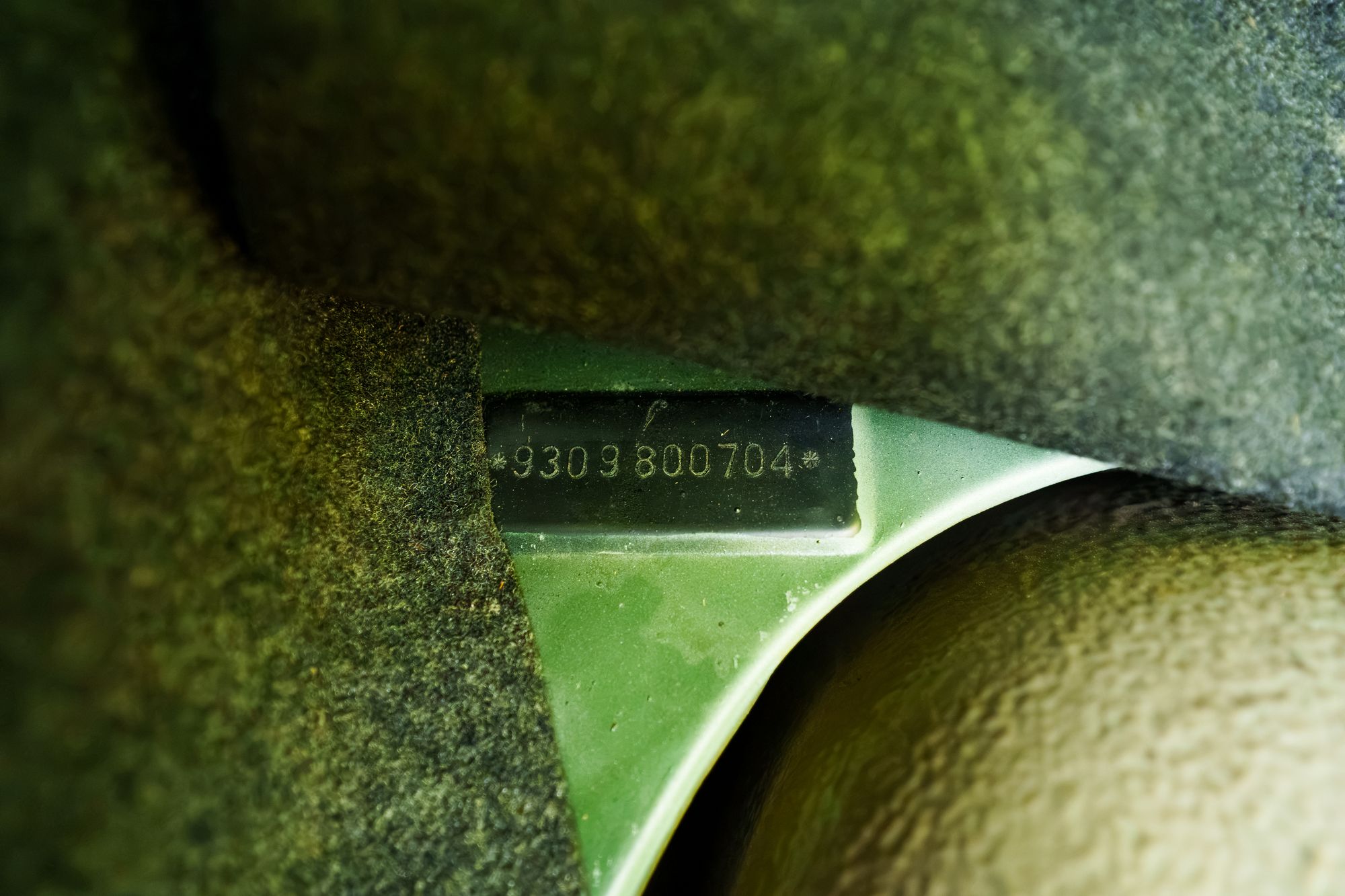
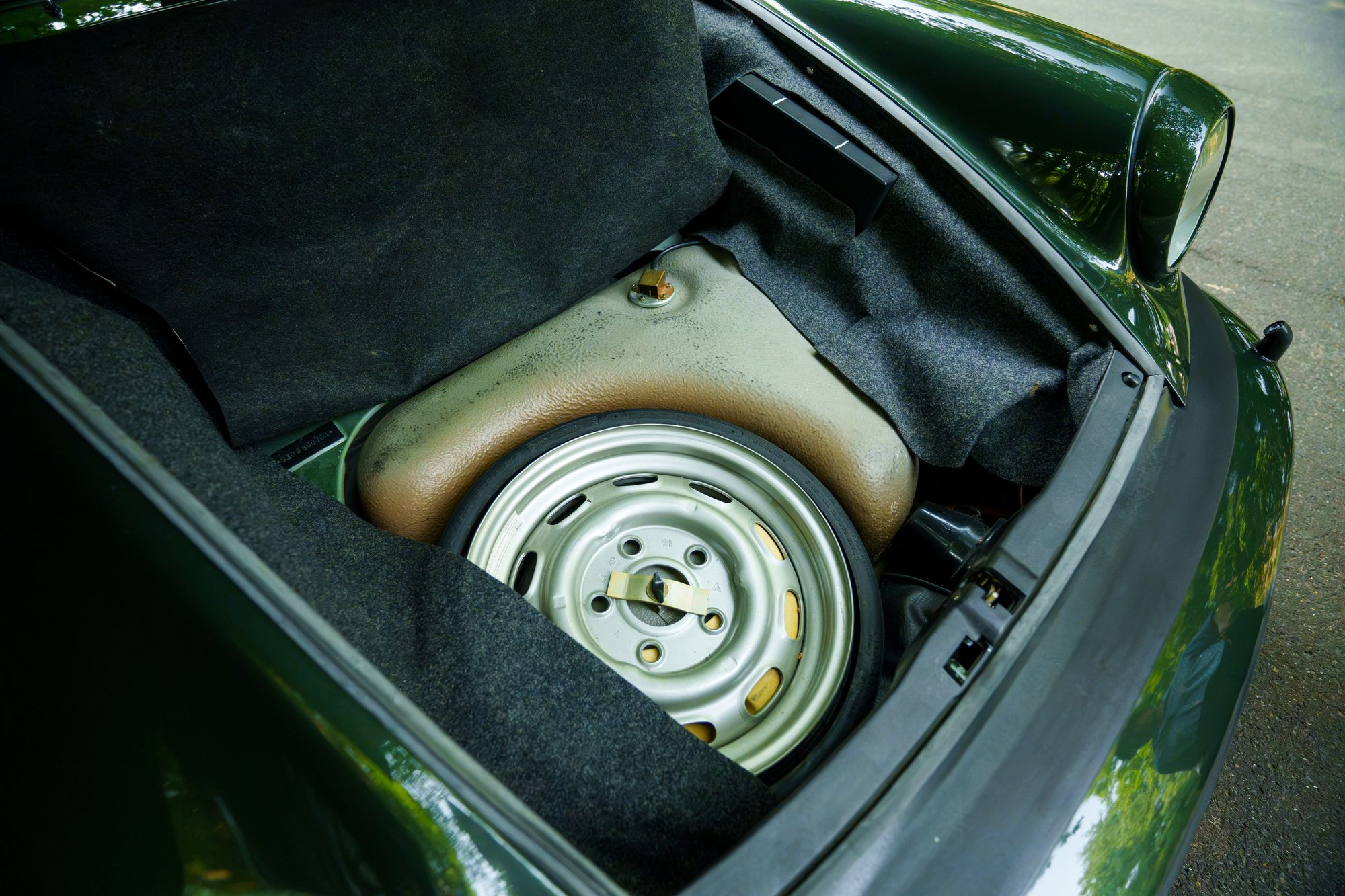
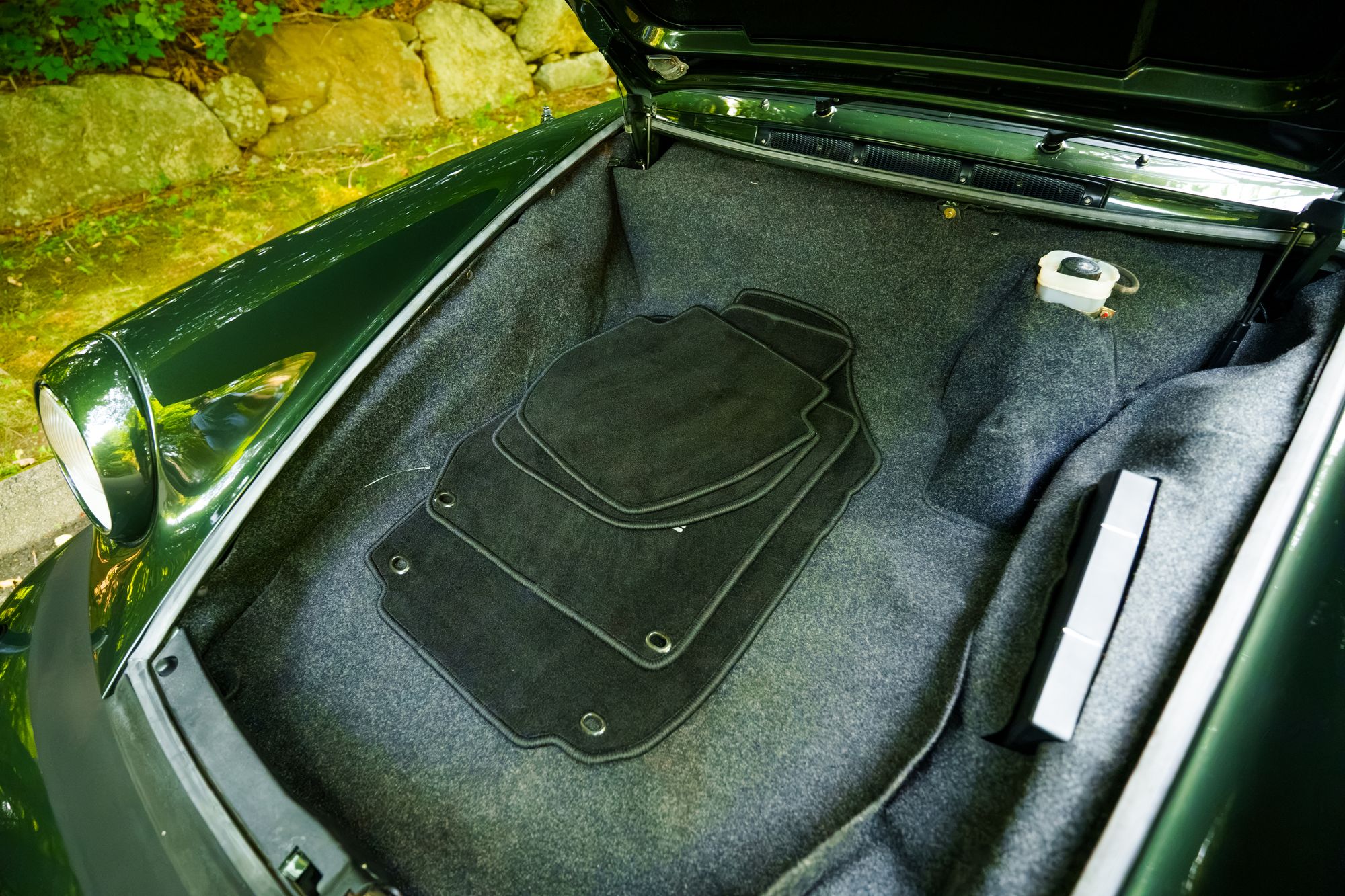
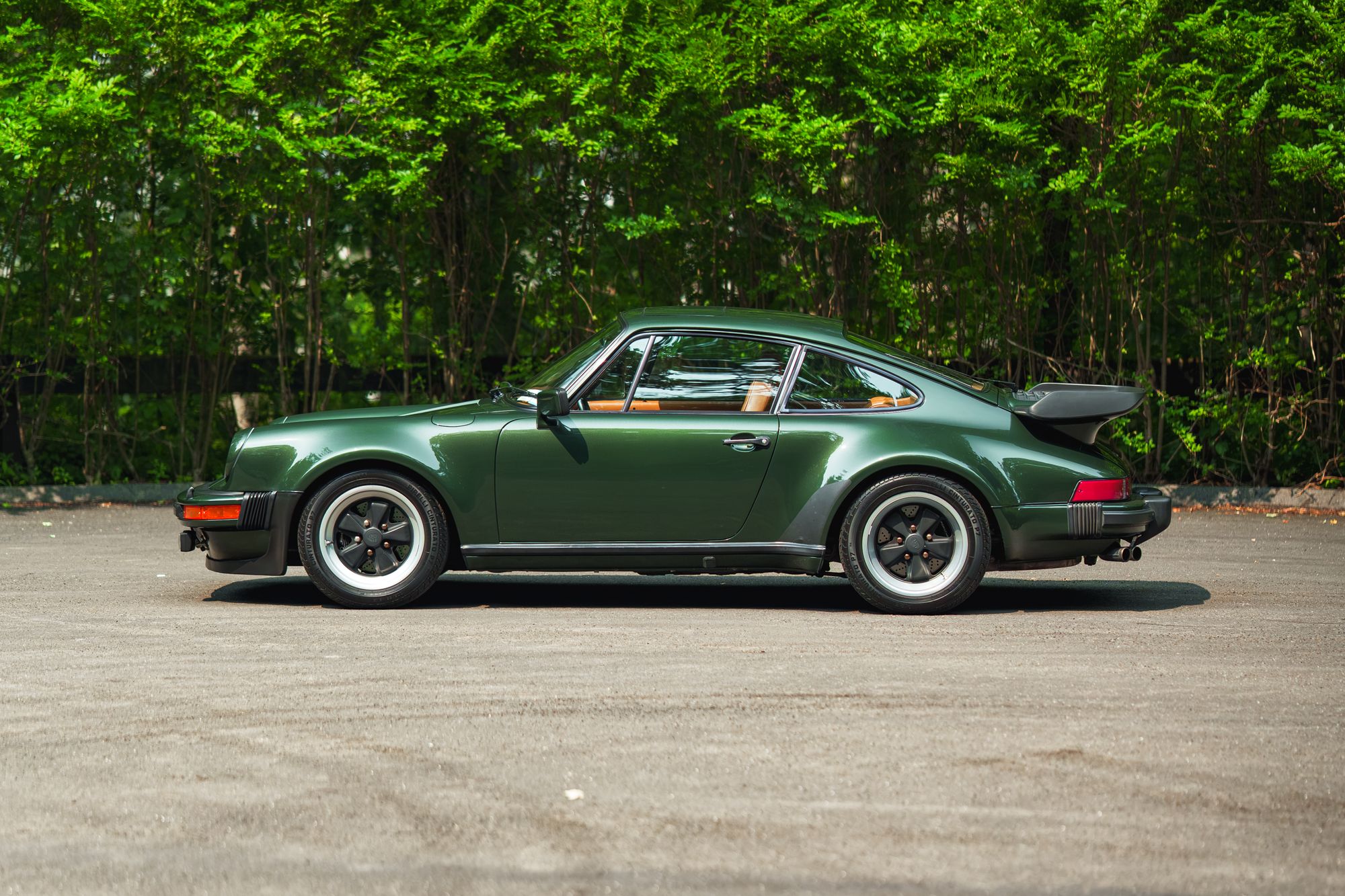
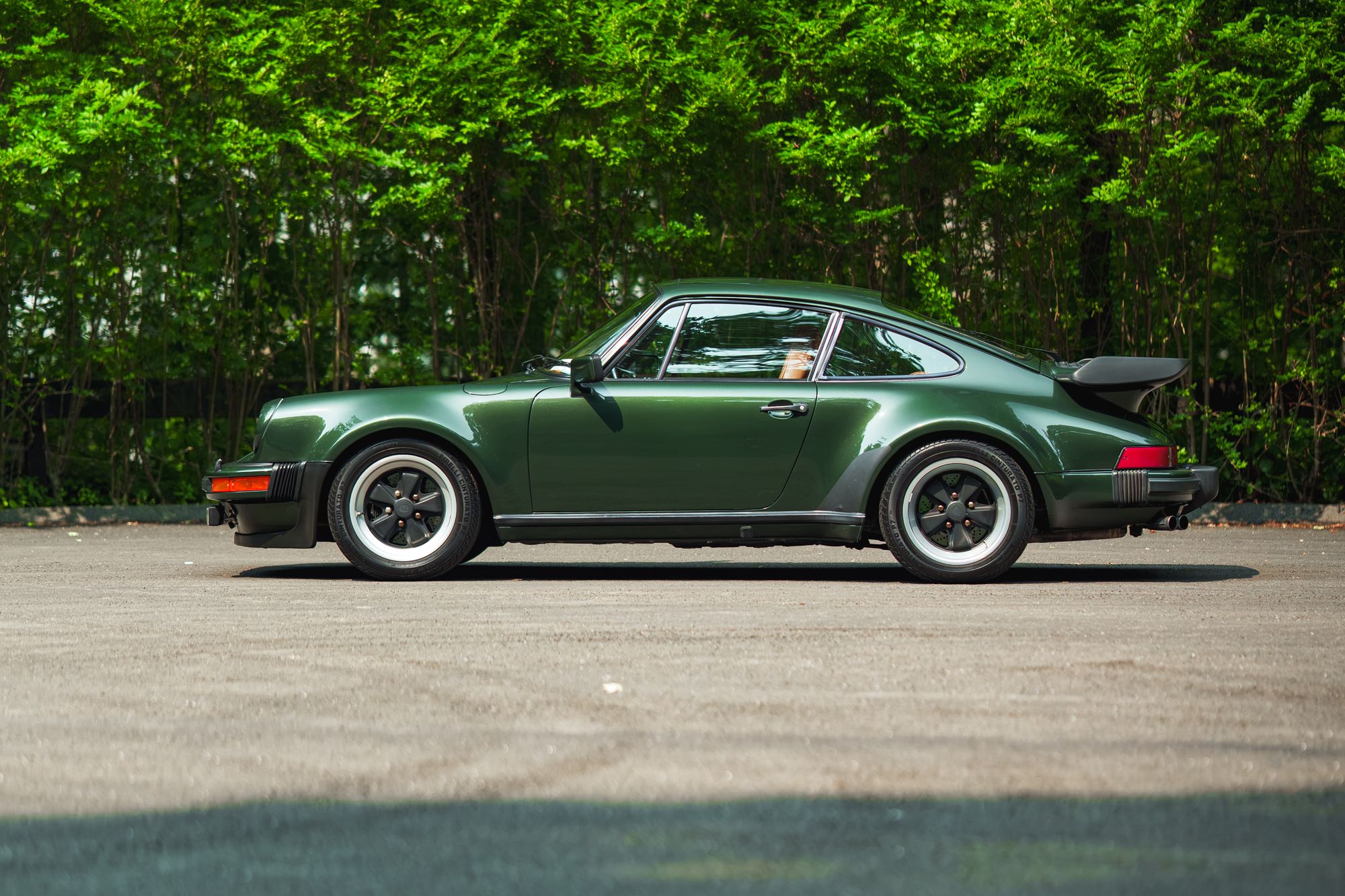
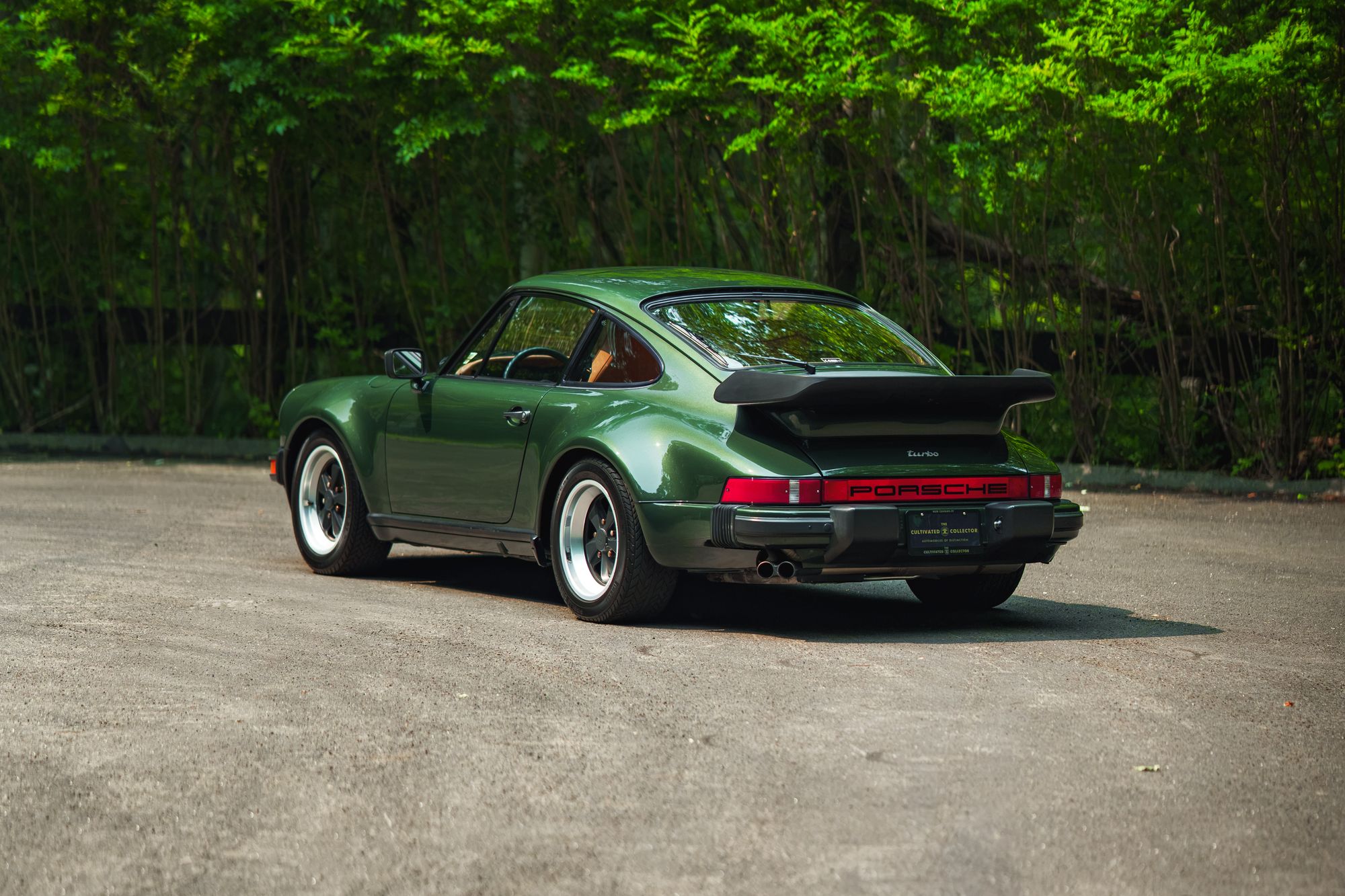
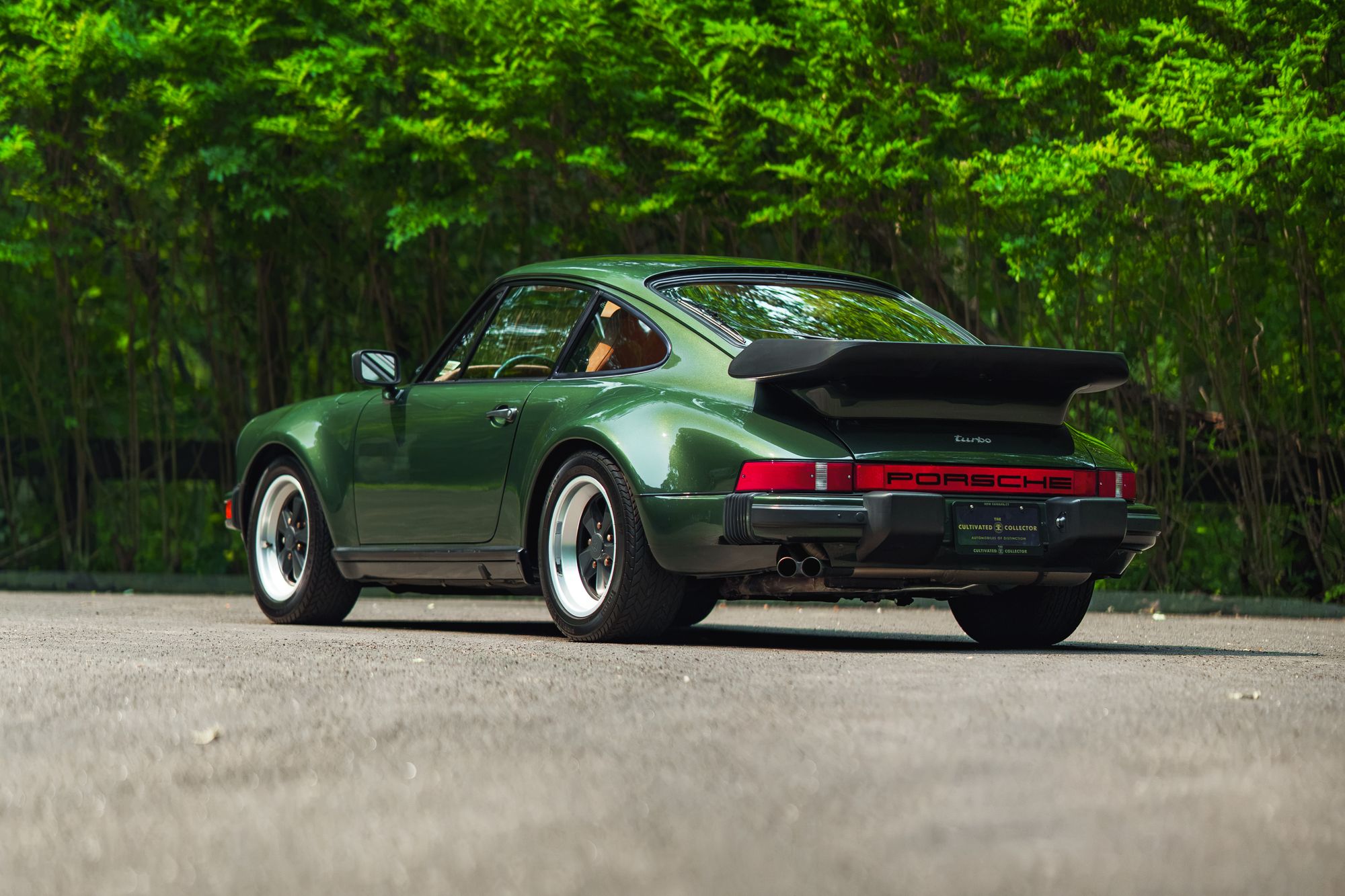
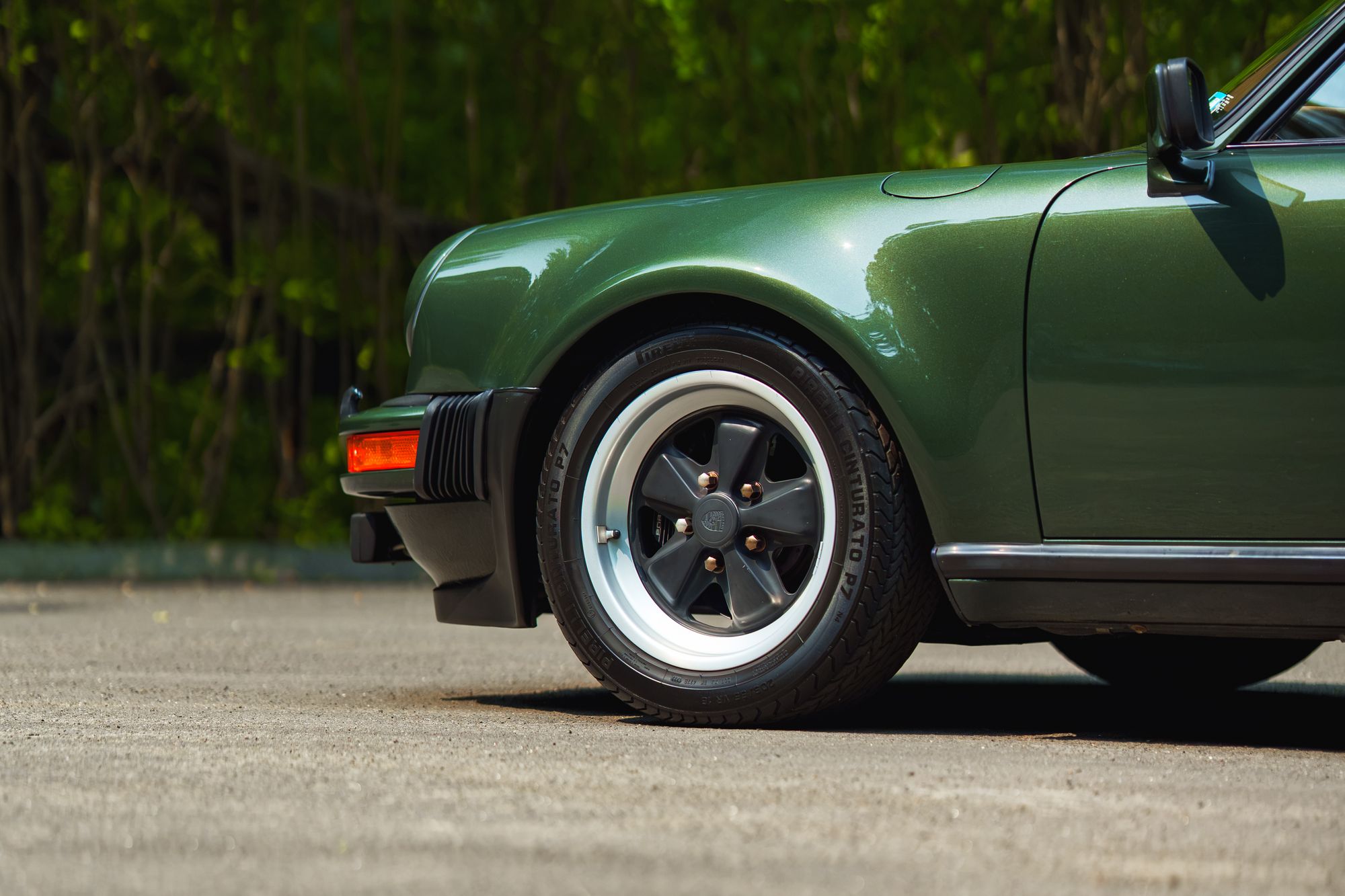
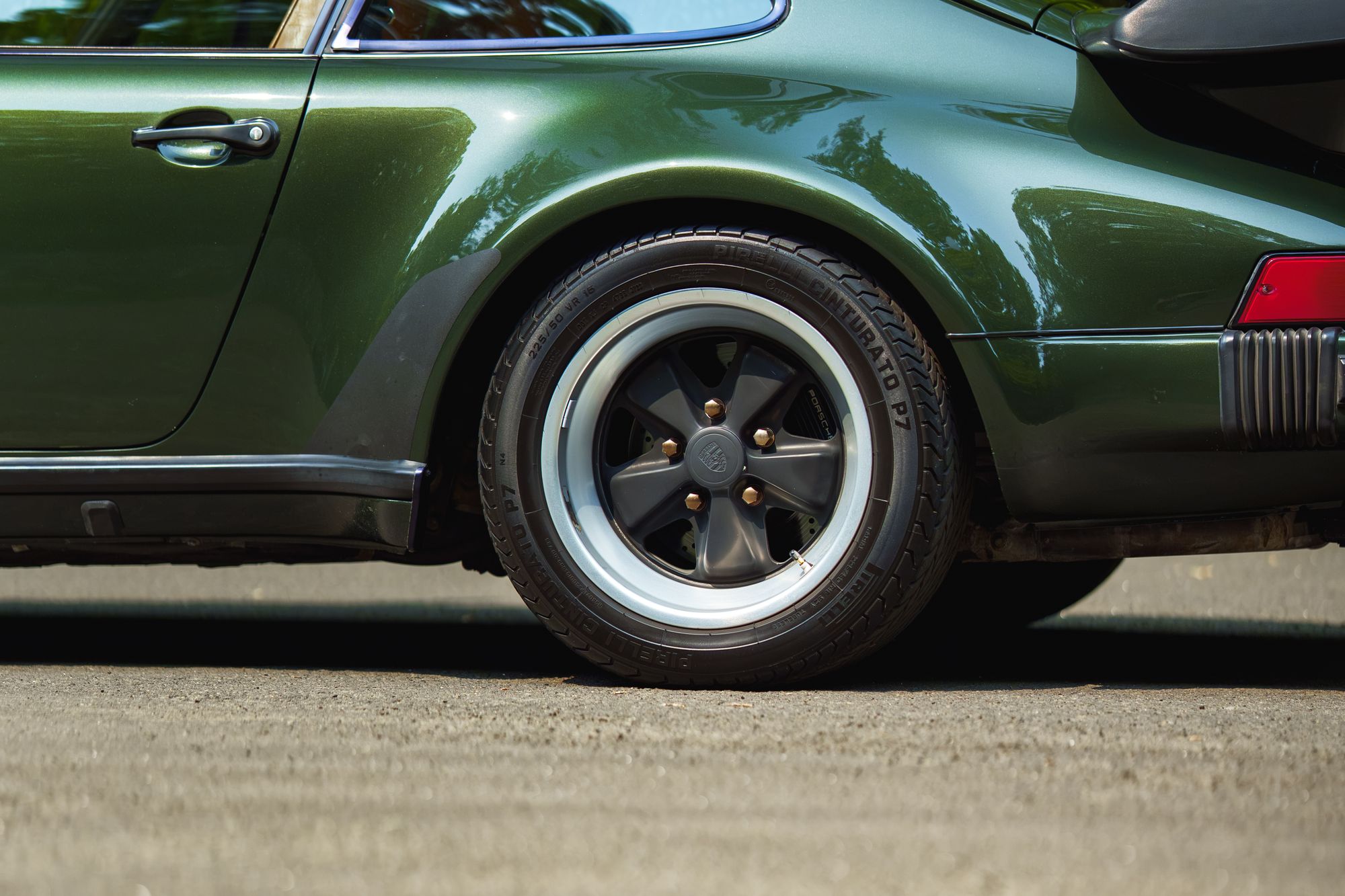
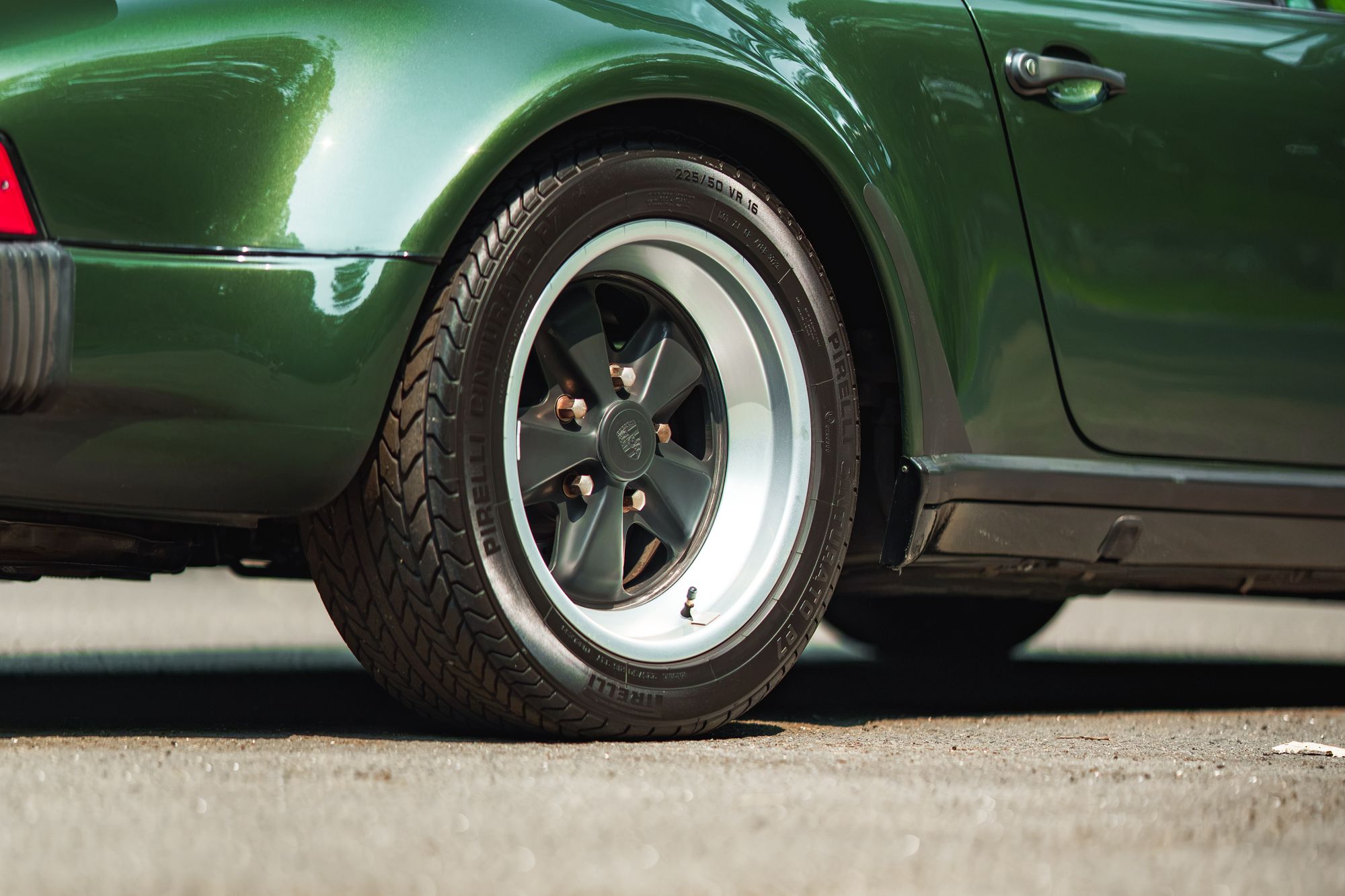
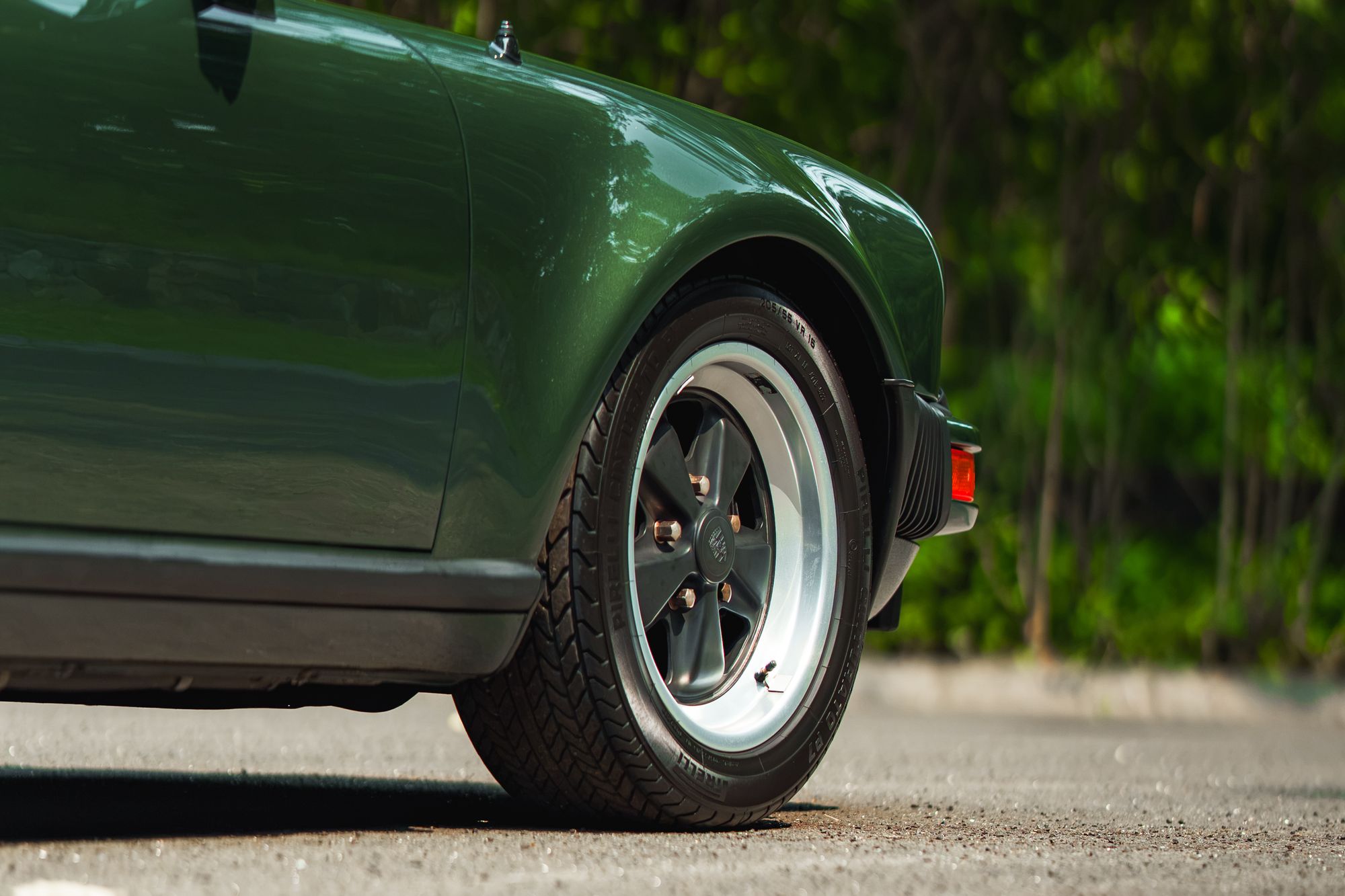
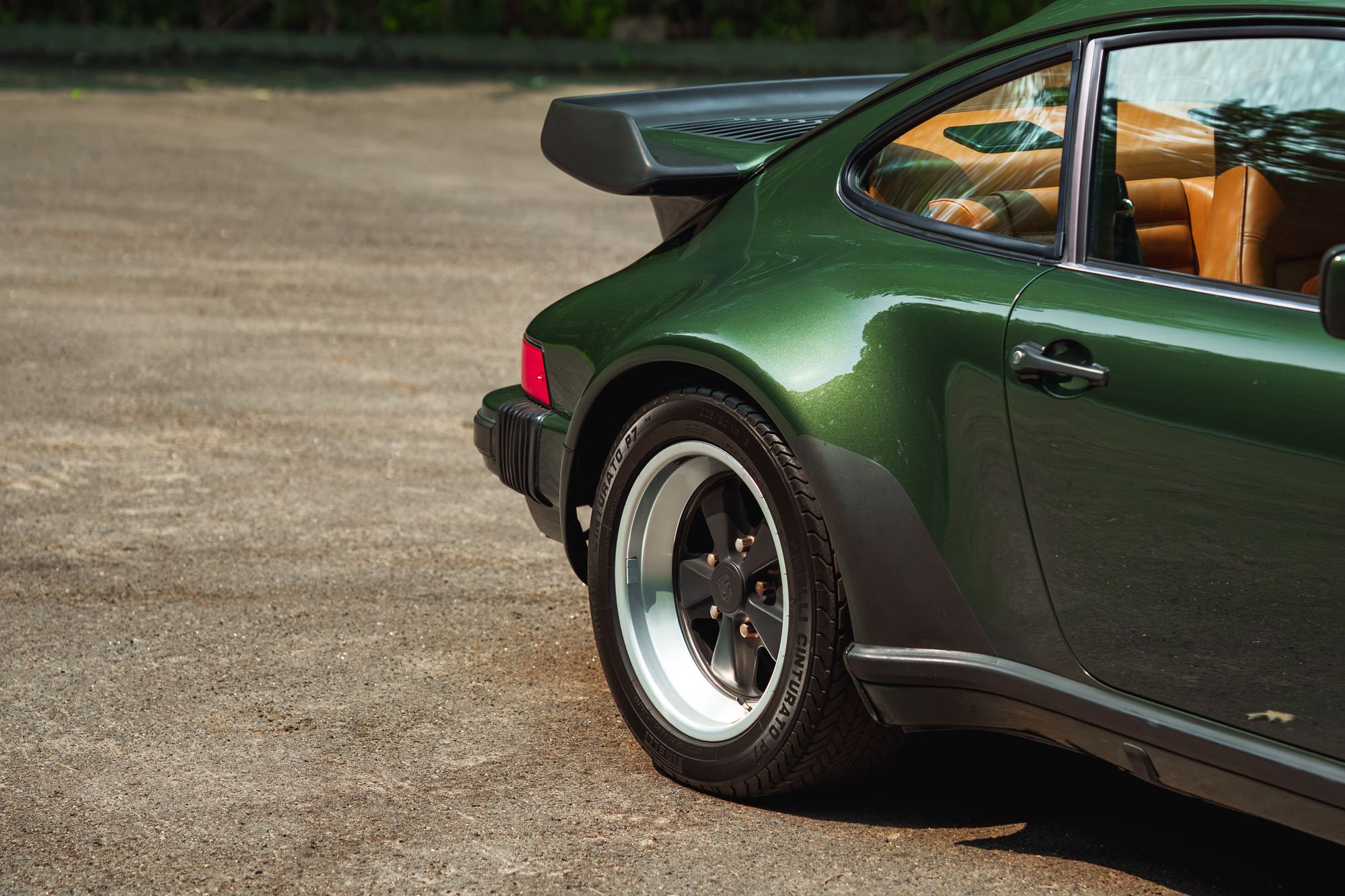
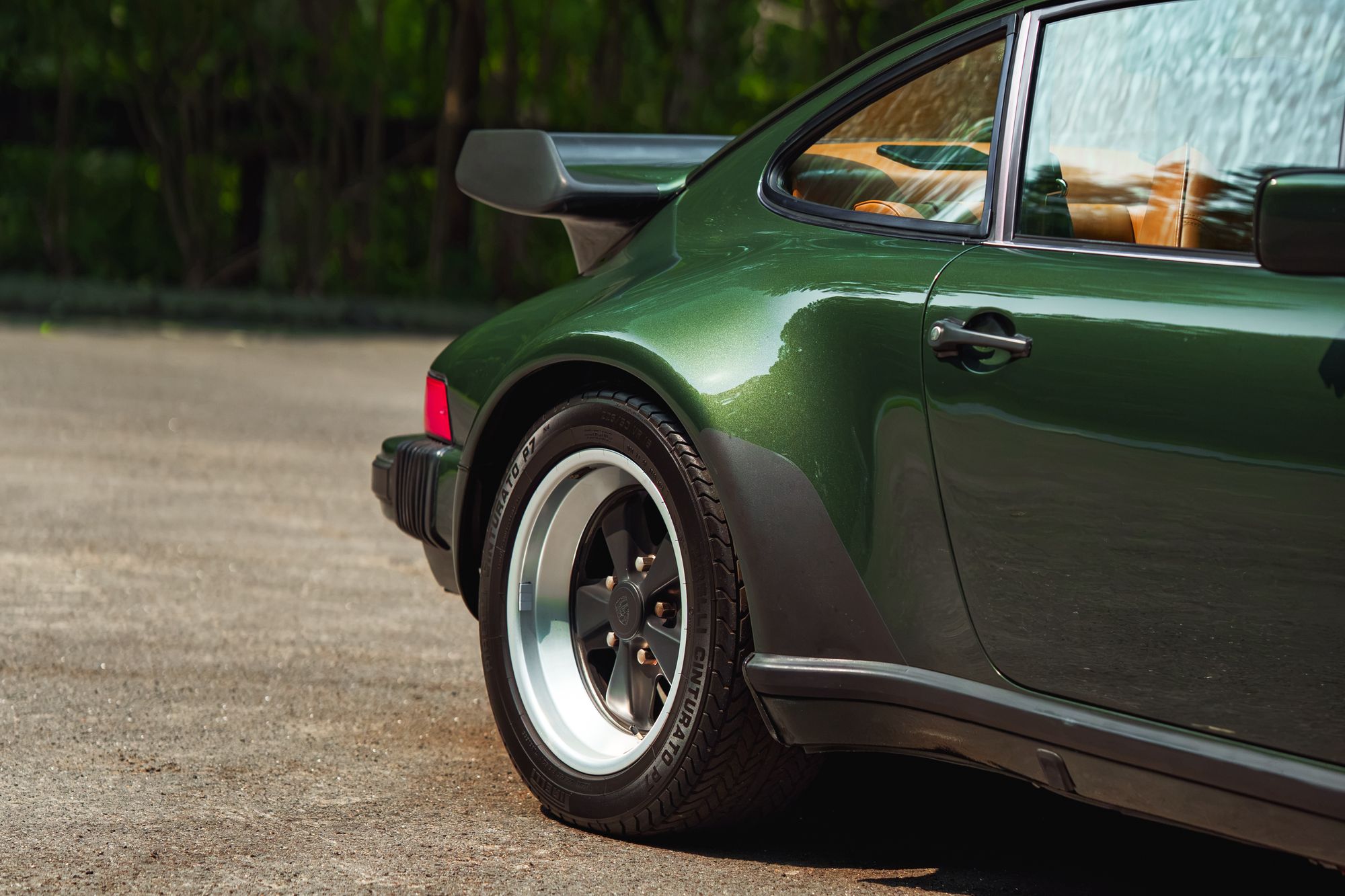
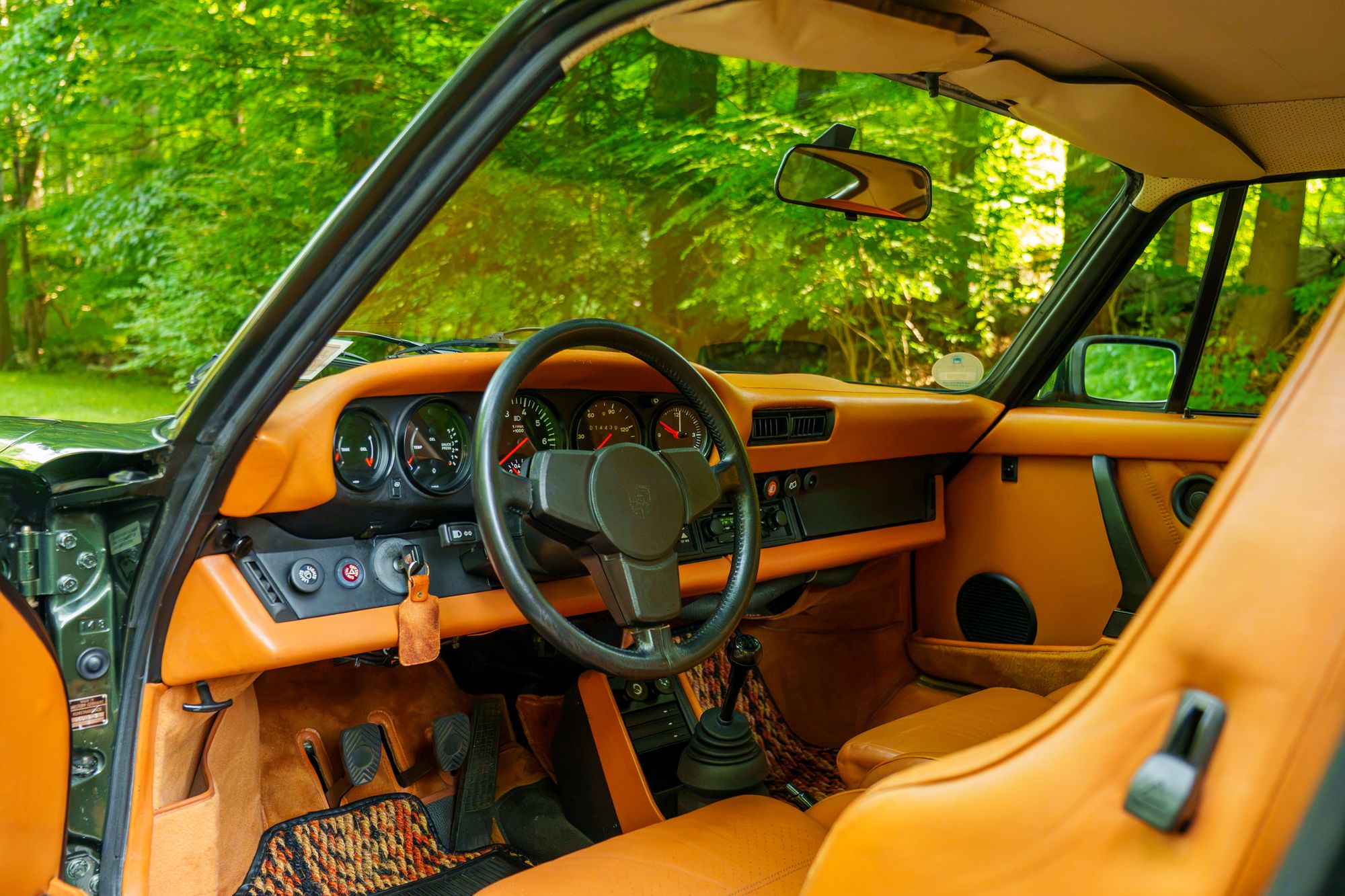
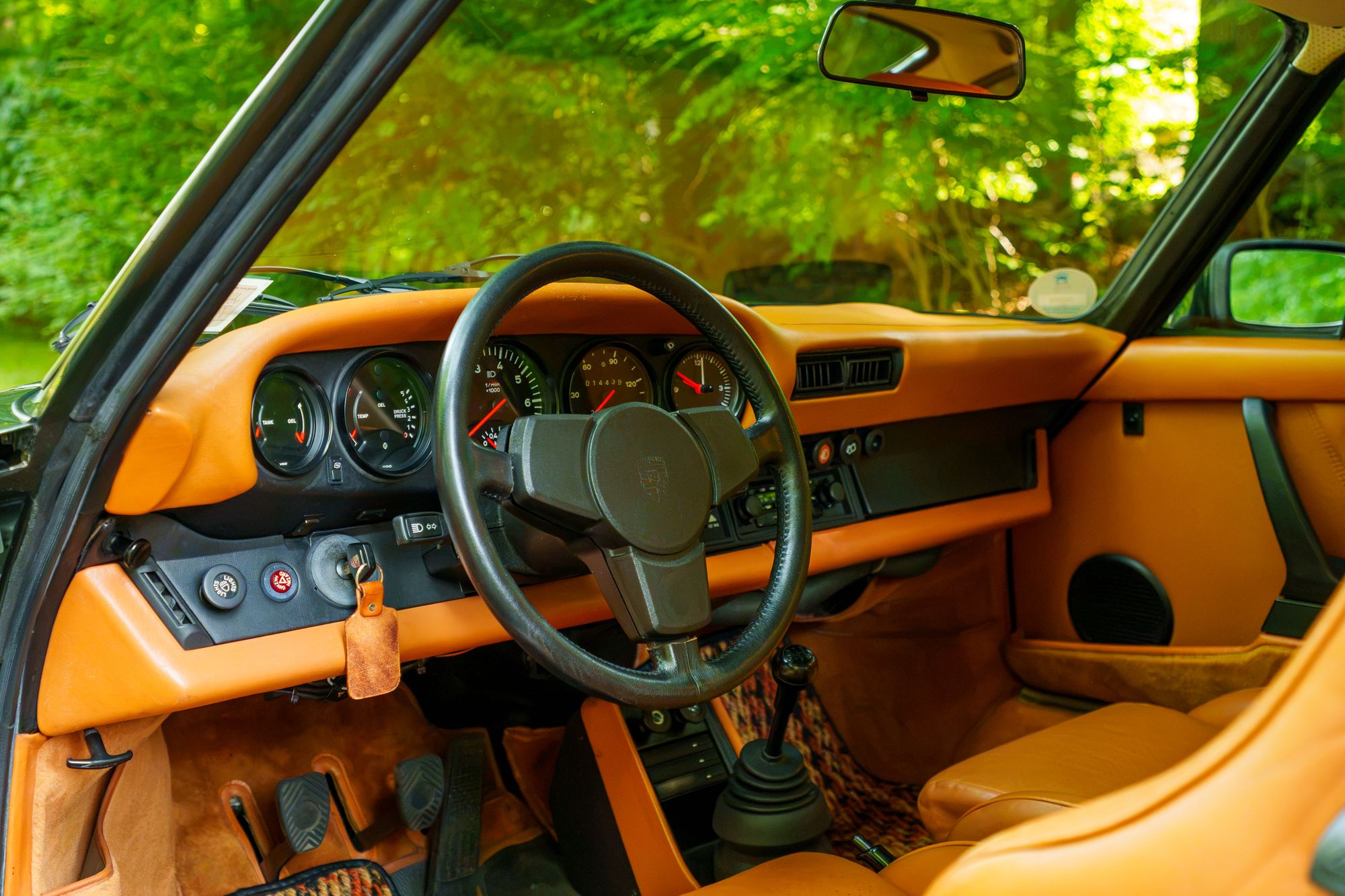
The Cultivated Collector's 1979 Porsche 911 Turbo, Chassis #0704, presents beautifully today in a completely original and unmodified state, benefiting handsomely from long-term ownership and consistent servicing throughout its life. Finished in Oak Green Metallic (Y4) over a Cork leather (88) interior and showing just over 14,500 miles from new, #0704 is an excellent example of the lauded turbocharged street weapon, still boasting its numbers-matching original engine and gearbox.
A US-delivered example, #0704 was originally purchased in San Antonio, Texas by Midwest Variety, LLC, as confirmed by the original warranty card and booklet on file. The car would remain with its original owner until the mid-2000s, when it was acquired by Mr. Rotheray of Voiture LTD, who subsequently placed #0704 in the care of the celebrated Taj Ma Garage of John Dixon in 2005.
In 2010, #0704 made its return to Europe under the stewardship of a Dutch collector, and then to Mr. Frers, a German collector, in 2014. Upon taking delivery, Mr. Frers commissioned a comprehensive engine and drivetrain refresh at the hands of Toni Planken Engineering. After nearly a decade of loving care, #0704 was repatriated to the United States in 2023 by an American collector, where it has resided since. A collector-grade, numbers-matching 930 Turbo with a rich and well-documented provenance, #0704 represents a singular opportunity to own one of the most exhilarating turbocharged automobiles ever to leave Stuttgart.
The 1974 debut of the Porsche 930 was rooted in the FIA homologation rules requiring manufacturers to base their turbocharged track weapons on production cars. This requirement saw Porsche management focus on building a road-worthy turbocharged 911 that would satiate the public's demand for raw power, while complying with the FIA’s homologation requirements.
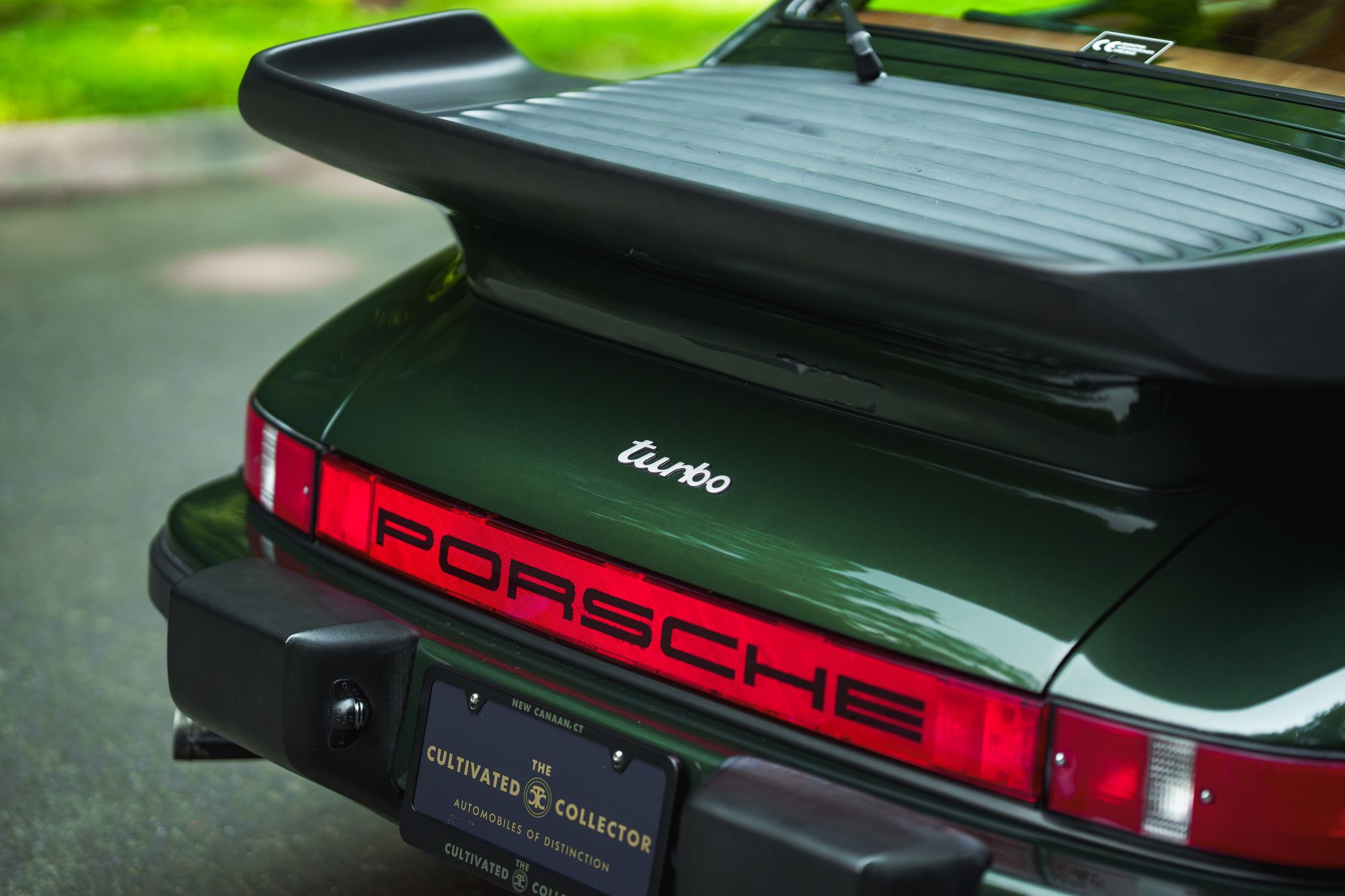
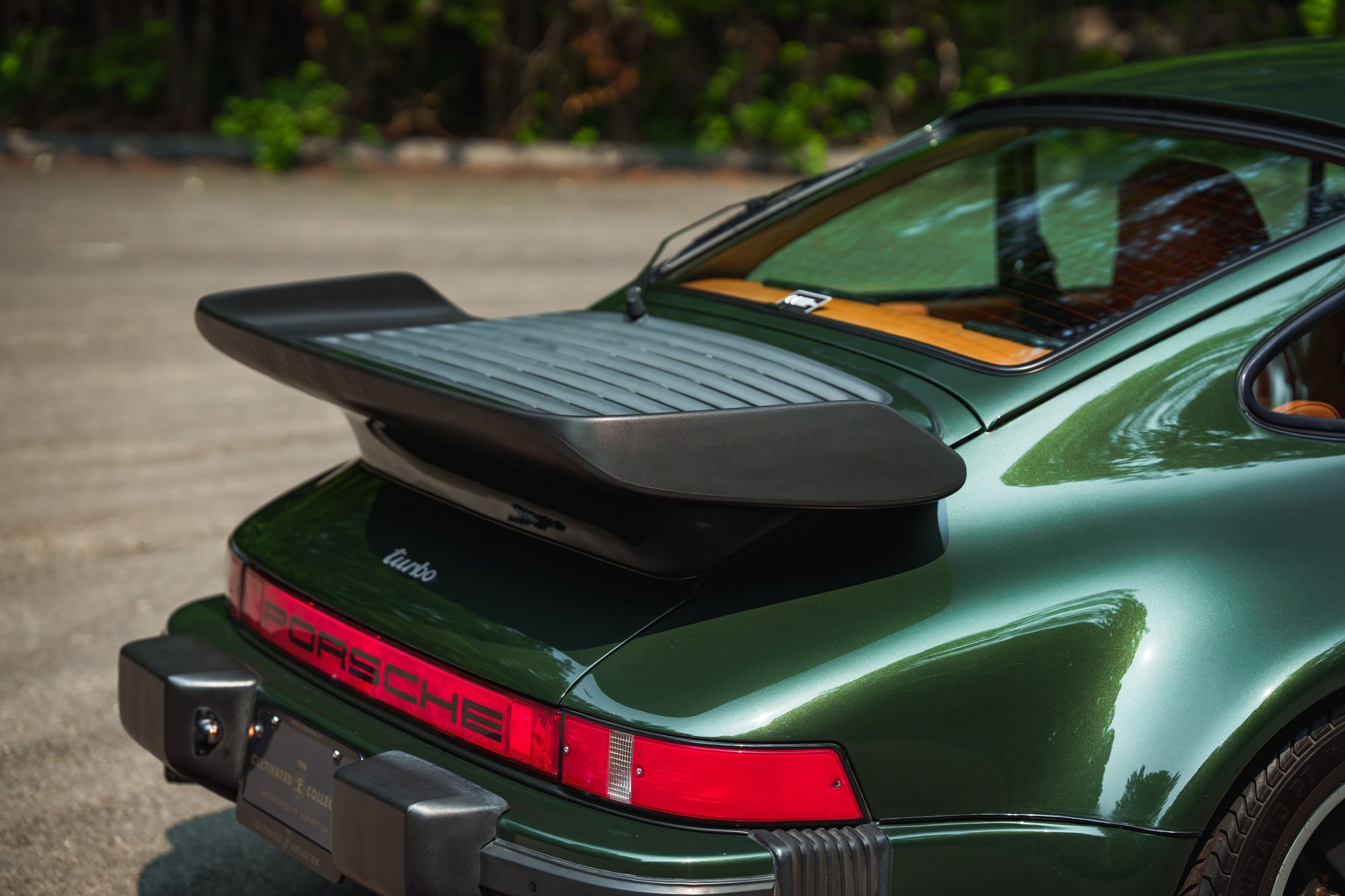
Development of the 930 would be led by legendary Porsche engineer Dr. Ernst Fuhrmann, with focus starting at the powerplant. Borrowing a 3.0L flat-6 from the Carrera RS 3.0, Dr. Fuhrmann would couple it with a turbocharging system that had been developed on the maniacal, and all-dominating, 917/30 CanAm racecar, with the results being a then-astounding 256HP sent to the rear wheels through a 4-speed transmission. In testing, however, this proved unwieldy for the standard 911 chassis which subsequently led to the Porsche team widening the rear axle, leading to the 930’s now iconic flared rear wheel arches. Additional changes included a stiffened suspension, larger brakes, and the monstrous rear “whale tail” spoiler found on the back deck lid. Despite Porsche’s attempts to domicile the scoldingly fast beast that was the 930 Turbo, it would still prove to be faster than its in-period Italian contemporary, none other than Lamborghini’s 12-cylinder masterpiece, the Countach.
In 1977 Porsche brought further updates to the 930 Turbo, which saw the engine’s displacement increased to 3.3L, as well as the addition of an intercooler, new anti-roll bars, larger rear torsion bars, and a motorsport derived braking system. This resulted in not only a colossal increase in horsepower to 300HP, but significant positive changes to the handling characteristics of the car making it less dangerous than the early production variants. Yet the 930 Turbo would still command the utmost prudence and respect from the driver - a character trait to this day for which the car is revered amongst enthusiasts looking for a raw driving experience.